

A Guide to Replacing Radiator Hoses on Your 2004-2010 Mazda B4000
Keep your truck's 4.0L V6 engine cool and prevent breakdowns by understanding when and how to replace your radiator coolant hoses.
- Inspect the plastic thermostat housing for cracks when replacing hoses; it's a common failure point on the 4.0L engine.
- Symptoms of failure include leaks, visible cracks, bulging, and a spongy feel.
- Gates is the preferred aftermarket brand for better fit and quality over budget options like Dayco.
- Always replace hoses in pairs and consider replacing the clamps at the same time.
Signs of a Failing Radiator Hose
Radiator hoses wear out from the inside out, so a hose that looks fine might be ready to fail. They are exposed to constant heat, pressure, and vibration. Look for these warning signs during regular checks:
- Coolant Leaks: Puddles of green or orange fluid under the front of your truck are a major red flag. You might also see dried, crusty coolant residue on or around the hoses.
- Visible Damage: Check for cracks, splits, or fraying on the hose surface.
- Bulging or Swelling: A swollen or bulging spot means the hose's internal structure is weak and could burst at any time. Oil contamination can cause the rubber to swell and degrade.
- Spongy or Hard Hoses: When the engine is cool, squeeze the hoses. They should be firm but flexible. If a hose feels mushy, soft, or rock-hard and brittle, it needs to be replaced.
- Engine Overheating: If your temperature gauge suddenly climbs into the red, a failed radiator hose is a common cause.
Check the Thermostat Housing!
The 4.0L SOHC V6 engine in the 2004-2010 B4000 uses a plastic thermostat housing that is known to crack and leak over time. A leak at the end of the upper radiator hose is often caused by a failing housing, not the hose itself. Always inspect this plastic housing carefully when checking your hoses. Many owners choose to upgrade to a metal replacement housing for better durability.
Choosing the Right Aftermarket Hose
For the Mazda B4000, which shares its parts with the Ford Ranger, you have good aftermarket options. OEM hoses (Motorcraft) offer a perfect fit but are the most expensive. Aftermarket brands provide a balance of quality and value.
Brand Tiers for Your Mazda B4000:
- Gates: Generally considered the top-tier aftermarket choice by mechanics and DIYers. Gates hoses are known for having a better fit, similar to the original part, and being made of substantial, quality material. They often work well with the original factory spring clamps.
- Dayco: A well-known budget-friendly option. However, forum discussions mention that Dayco hoses can sometimes have fitment issues, such as being the wrong shape or length, which can put stress on the connection points. Some users report they feel thinner than Gates or OEM hoses and may not seal as well with factory clamps.
Pro Tip: When choosing between brands, many experienced installers recommend Gates for a smoother installation with fewer surprises. While you can save a few dollars with Dayco, the potential for fitment problems can make the job more difficult.
Known Issues, Recalls, and Service Bulletins
There are no active recalls or Technical Service Bulletins (TSBs) from Mazda or the NHTSA specifically for radiator hose failure on the 2004-2010 B4000. However, there are important related items:
- Recalls: Numerous serious recalls exist for the Takata airbags in this truck, with NHTSA issuing "Do Not Drive" warnings for unrepaired vehicles. This does not affect the cooling system but is critical for owner safety.
- TSBs: Mazda has issued service bulletins for coolant leaks related to cracked cylinder heads on some vehicles, which is a separate and more complex issue than a hose leak.
| Part Type | Estimated Price Range (Per Hose) |
|---|---|
| New OEM (Motorcraft) | $35 - $55 |
| New Aftermarket (Gates, Dayco) | $30.22 - $42.26 |
| Shop Labor | $120 - $240 |
Frequently Asked Questions (FAQ)
How often should I replace my radiator hoses?
There is no strict replacement interval, but it is wise to inspect them at every oil change. Many mechanics recommend replacing them as a preventive measure every 4 to 5 years or around 60,000 miles, especially if you live in a harsh climate. If a hose shows any sign of wear, replace it immediately.
Should I replace both hoses at the same time?
Yes. Radiator hoses are exposed to the same conditions and wear out at a similar rate. If one hose has failed, the other is likely not far behind. Replacing them in pairs saves you from having to do the same job twice and reduces the risk of another failure soon after.
Should I replace the hose clamps too?
It's highly recommended. The original spring-style clamps can lose tension over time. While some aftermarket hoses come with new worm-gear clamps, many mechanics prefer to use new spring-style clamps because they maintain constant tension as the hose expands and contracts with temperature, reducing the chance of leaks.
Is replacing a radiator hose a DIY job?
Yes, for someone with basic mechanical skills, this is a manageable DIY task. The process involves draining the coolant, accessing the clamps (which can sometimes be tricky), swapping the old hose for the new one, and then refilling and bleeding the air from the cooling system. The lower hose is usually harder to reach than the upper one.
Technical Specifications
OEM Part Numbers: 4L5Z-8260-BA (Upper Hose) KM-4938 (Lower Hose, from 05/01/06)
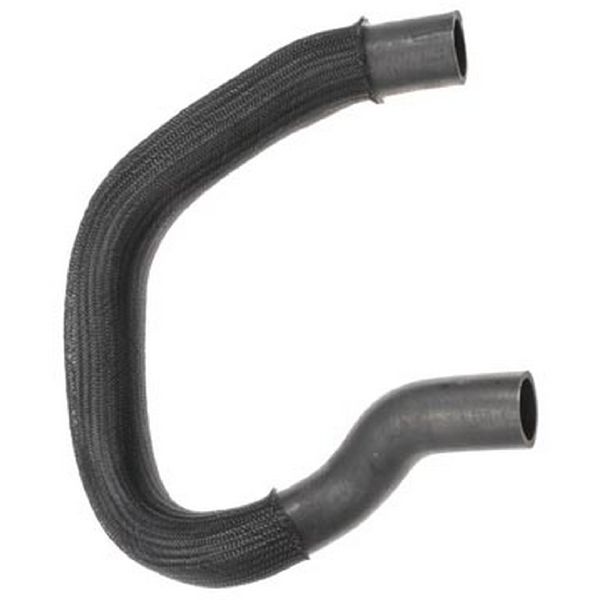
The Mazda B4000 shares its cooling system parts with the 2004-2010 Ford Ranger 4.0L SOHC V6. Hoses are made from EPDM rubber and are pre-molded to fit the specific routing in the engine bay.
We Have This Part in Stock
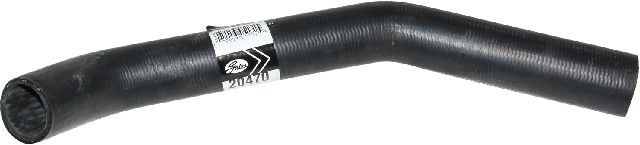
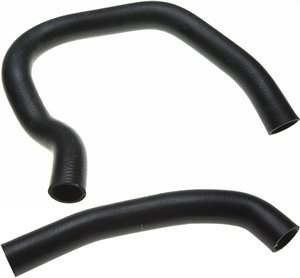
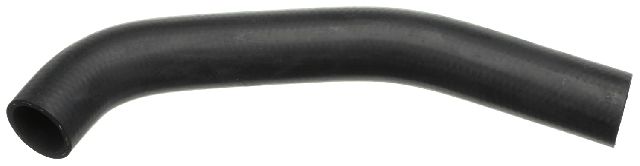
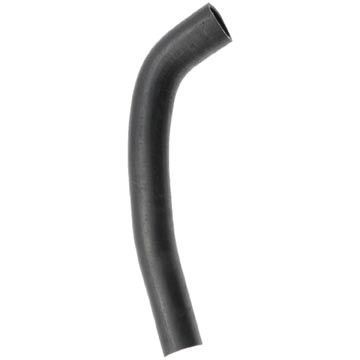

The information in this article is provided for general reference and educational purposes only. Vehicle specifications, procedures, and part compatibility can vary by production date, trim level, and region. Always consult your vehicle's factory service manual and verify part numbers before purchasing or performing repairs. Safety-critical components such as airbags, seat belts, and braking systems should be installed by a qualified professional.
- Mazda B4000: