

Accessory Drive Belt Guide for the 2004-2010 Toyota 4Runner
Understand the signs of a failing accessory belt and how to choose the right replacement for your 4th Gen 4Runner.
- Inspect the accessory belt at every oil change for cracks, fraying, and glazing.
- A squealing noise often points to a worn belt, but always check the belt tensioner, as it is a common failure point on the 4Runner.
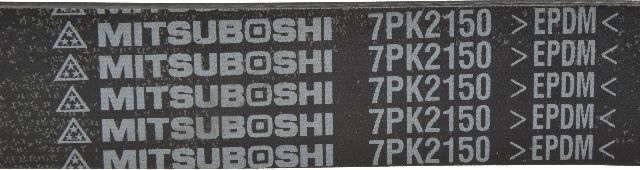
- Bando and Mitsuboshi are often the OEM suppliers for Toyota, making them a high-quality, cost-effective aftermarket choice.
- Ensure you buy the correct belt; the 4.0L V6 and 4.7L V8 engines use different part numbers.
Is Your 4Runner's Accessory Belt Failing?
The accessory drive belt is a wear item, typically lasting between 60,000 and 100,000 miles. A failing belt often provides clear warning signs. Ignoring them can lead to a sudden breakdown, loss of power steering, and engine overheating. Pay close attention to these symptoms to know when it's time for a replacement.
Common Failure Symptoms
- Squealing or Chirping Noises: A high-pitched squeal from the engine bay, especially on cold starts or during sharp turns, is the most common symptom. This sound is caused by the belt slipping on the pulleys.
- Visible Wear and Tear: A visual inspection can reveal a lot. Look for cracks, frayed edges, missing ribs, or a glazed, shiny appearance on the belt's surface. Any of these signs mean the belt is compromised and needs immediate replacement.
- Accessory Malfunctions: If your power steering feels heavy, the A/C blows warm air, or the battery warning light illuminates on your dashboard, the belt may be slipping and failing to power those components properly.
- Engine Overheating: The belt drives the water pump, which circulates coolant. If the belt fails, the engine can overheat quickly, leading to serious damage.
V6 vs. V8 Engines: A Key Difference
It's important not to confuse the accessory belt with a timing belt. The 4.0L V6 engine has a timing chain, which is internal and designed to last the life of the engine. The 4.7L V8 engine, however, has an internal timing belt that requires replacement at regular intervals, in addition to its external accessory belt. Always ensure you are servicing the correct part.
Choosing the Right Aftermarket Belt
While an OEM belt from a Toyota dealership is always an option, high-quality aftermarket brands can offer the same or better performance at a lower cost. For Toyota, the original factory belts are often manufactured by brands like Bando or Mitsuboshi, making them excellent and reliable choices in the aftermarket.
Aftermarket Brand Tiers
- OEM-Equivalent (Best Value): Brands like Bando and Mitsuboshi are frequently the original equipment manufacturers for Toyota. Choosing one of these brands often means you are getting the same quality as the dealership part without the higher price tag. They provide an ideal balance of performance, longevity, and value.
- Premium Aftermarket: ACDelco is a well-regarded brand that offers professional-grade belts known for durability and quiet operation. These belts are a trusted choice for mechanics and owners looking for top-tier performance.
Check the Belt Tensioner
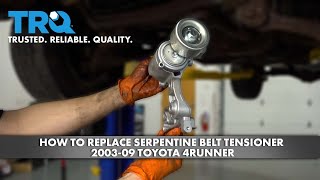
No recalls or technical service bulletins (TSBs) exist for the accessory belt itself on the 2004-2010 4Runner. However, a frequent point of failure is the automatic belt tensioner. This part keeps the belt tight, and when it wears out, it can cause squealing noises and premature belt failure. If you're replacing the belt, it is critical to inspect the tensioner and idler pulleys for noise, binding, or excessive movement.
Cost of Replacing a 2004-2010 4Runner Accessory Belt
| Part Type | Estimated Cost |
|---|---|
| New Aftermarket Belt | $41.89 - $62.29 |
| New OEM Toyota Belt | $55.00 - $80.00 |
| Shop Labor | $75.00 - $150.00 |
Frequently Asked Questions (FAQ)
How often should I replace my 4Runner's accessory belt?
Toyota recommends inspecting the belt starting at 60,000 miles. Most belts last between 60,000 and 100,000 miles, but you should replace it as soon as you see signs of wear like cracking or hear persistent squealing.
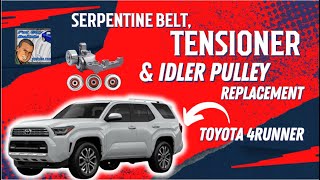
Is a squealing noise always a bad belt? 🎬 Watch this guide to help you diagnose engine belt noises.
Not always. While a worn belt is the most common cause, the noise can also come from a weak or failing belt tensioner that isn't keeping the belt tight. It can also be caused by a failing bearing in one of the accessories, like the alternator or an idler pulley.
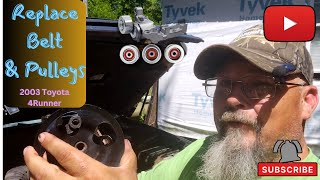
Can I replace the accessory belt myself? 🎬 See this step-by-step belt and pulley replacement for V6 engines.
Yes, for many owners this is a DIY-friendly job. It typically requires a 14mm wrench to release the tensioner, allowing the old belt to be removed and a new one routed. The most difficult part is often routing the new belt correctly around all the pulleys.
Do the V6 and V8 engines use the same belt?
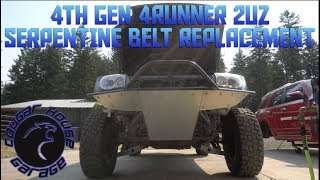
No. The 4.0L V6 and 4.7L V8 engines have different pulley layouts and require different length belts. 🎬 Watch a complete walkthrough for replacing the V8 serpentine belt. You must purchase the correct part for your specific engine to ensure proper fit and function.
Helpful Videos

Technical Specifications
OEM Part Numbers: 90916-A2001 (For 4.0L V6) 90916-02585 (For 4.7L V8)
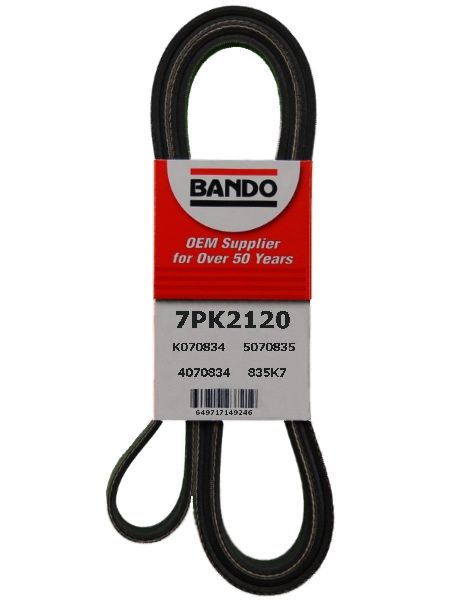
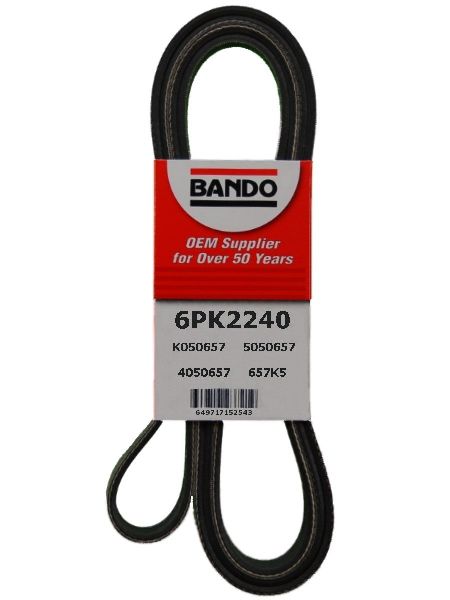
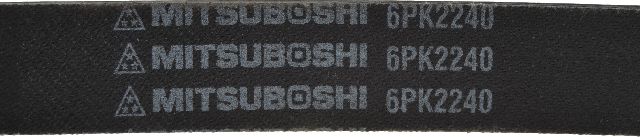
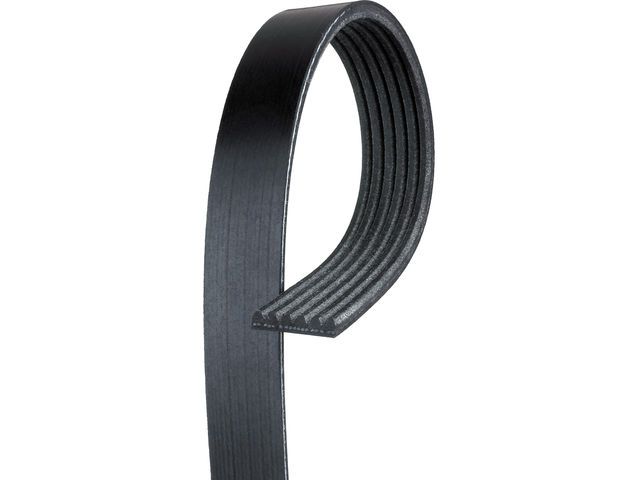
This is a multi-ribbed, or 'serpentine,' belt. The 4.0L V6 uses a 7-rib belt (e.g., Bando 7PK2120) and the 4.7L V8 uses a 6-rib belt (e.g., Mitsuboshi 6PK2240). Always verify the part number with your vehicle's specific engine.
We Have This Part in Stock

The information in this article is provided for general reference and educational purposes only. Vehicle specifications, procedures, and part compatibility can vary by production date, trim level, and region. Always consult your vehicle's factory service manual and verify part numbers before purchasing or performing repairs. Safety-critical components such as airbags, seat belts, and braking systems should be installed by a qualified professional.
- Toyota 4Runner:
- 🎬 Helpful Videos
- 🛍️ Shop This Part
- Is Your 4Runner's Accessory Belt Failing?
- Common Failure Symptoms
- V6 vs. V8 Engines: A Key Difference
- Choosing the Right Aftermarket Belt
- Aftermarket Brand Tiers
- Check the Belt Tensioner
- Cost of Replacing a 2004-2010 4Runner Accessory Belt
- Frequently Asked Questions (FAQ)
- 🎟️ Get 5% Off