

Choosing the Right Front Disc Brake Pads for Your 2004-2013 Ford Ranger
Don't let worn pads compromise the stopping power of your reliable truck; here's what you need to know.
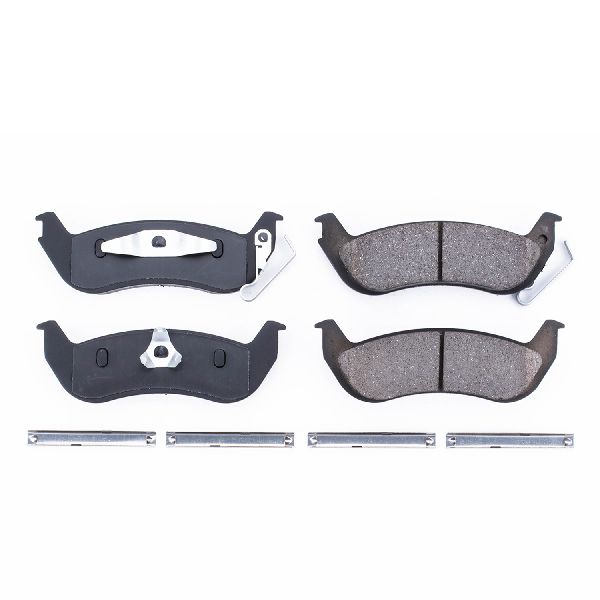
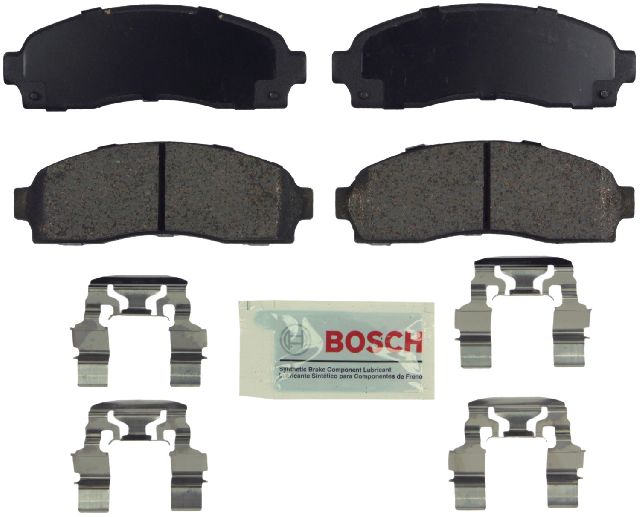
- The 2004-2013 Ranger uses disc brakes in the front and drum brakes in the rear; ensure you are buying front 'pads', not rear 'shoes'.
- Uneven pad wear is a common issue often caused by sticking caliper slide pins; always clean and lubricate them during replacement.
- For most users, a quality ceramic or semi-metallic aftermarket pad from a brand like Wagner, Raybestos, or Centric offers the best value.
- It is strongly recommended to replace your brake rotors at the same time as the pads to ensure quiet, smooth, and safe braking performance.
Signs of Failing Brake Pads
Your Ranger will give you clear warning signs when the brake pads are getting low. Ignoring them can lead to more expensive repairs, like needing to replace the brake rotors and calipers. Be aware of the following:
- Squealing or Screeching: Most brake pads have a small metal tab called a wear indicator. When the pad material gets too thin, this tab scrapes against the rotor and makes a high-pitched noise. This is the first and most common sign.
- Grinding Noises: If you hear a deep, harsh grinding sound, it means the pad material is completely gone. The metal backing plate of the pad is now grinding against the rotor, causing serious damage. Stop driving as soon as possible.
- Vibration or Pulsing: If you feel a pulsing or shaking in the brake pedal or steering wheel when you brake, it could be a sign of warped rotors, often caused by worn-out pads creating too much heat.
- Longer Stopping Distances: If your truck takes longer to stop than it used to, your pads are likely worn and not creating enough friction.
A Note on Uneven Wear
If you notice one brake pad is worn much more than the other, it often points to a problem with sticking caliper slide pins. These pins must be cleaned and lubricated during a brake job to allow the caliper to move freely and apply even pressure.
Choosing the Right Aftermarket Brake Pads
The original pads on your Ranger were made by Motorcraft, Ford's in-house parts brand. While Motorcraft pads are a reliable choice, the aftermarket offers a wide variety of options that can meet or exceed original quality, often at a better price. Aftermarket pads are generally categorized by their friction material.
- Semi-Metallic Pads: These are a common and affordable choice. They offer good stopping power but can be dusty and noisy compared to other types. They are durable and perform well for general use and light towing.
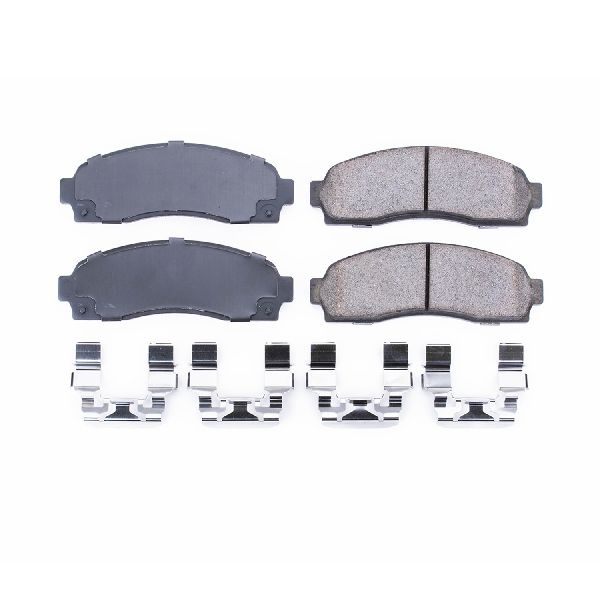
- Ceramic Pads: A popular upgrade for many Ranger owners. Ceramic pads are quieter, produce less brake dust, and are generally smoother. They are great for daily driving and offer consistent performance. Brands like Wagner ThermoQuiet and Power Stop are well-regarded by owners.
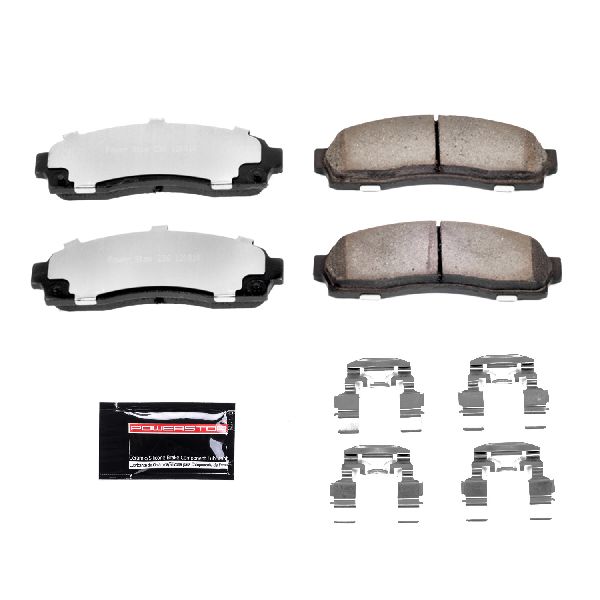
- Performance/Towing Pads: For trucks with larger tires or those used for heavy hauling or off-roading, a performance pad is a smart investment. Brands like EBC, Hawk, and Power Stop's Z36 line offer carbon-ceramic blends designed to handle higher heat and provide superior stopping power under load.
OEM vs. Aftermarket Quality
For a 2004-2013 Ranger, you don't need to be afraid of high-quality aftermarket parts. While Ford promotes Motorcraft as the best option, many owners find that reputable aftermarket brands like Raybestos, Centric, Wagner, or Power Stop offer similar or even better performance for the money. The key is to avoid the cheapest, unbranded options, which may not fit well or last as long.
Brand Tiers for Your Ranger
| Tier | Brands | Best For |
|---|---|---|
| Economy / Standard | Pronto, Dynamic Friction, Total Stopping Solutions, some store brands | Basic transportation, budget-focused repairs. Performance will be adequate for normal driving. |
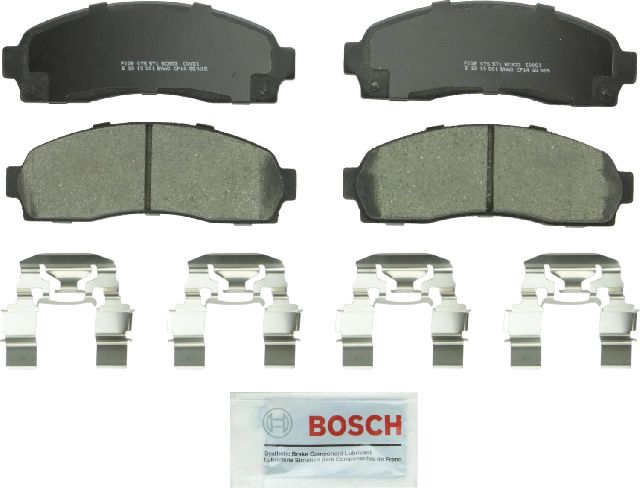
| Daily Driver / OEM-Quality | Motorcraft, Raybestos, Centric, Wagner, Bosch, ACDelco | The best balance of price, performance, and low noise for most Ranger owners. |
| Premium / Performance | Akebono, Powerstop, Hawk, EBC Brakes, Brembo | Trucks with larger tires, frequent towing, or owners who want the best possible stopping power and fade resistance. |
Frequently Asked Questions
Are there any recalls on 2004-2013 Ranger brakes?
Searches on the National Highway Traffic Safety Administration (NHTSA) database did not show any recalls specifically for brake pads on the 2004-2013 Ford Ranger. There was a TSB (Technical Service Bulletin) for a grabbing condition from the rear drum brakes on some 2004 models, but this does not apply to the front disc pads. Always check for recalls using your vehicle's specific VIN on the NHTSA website.
Should I replace my rotors at the same time as my pads?
It is highly recommended. While you can sometimes machine (resurface) rotors if they are still thick enough, installing new pads on old or warped rotors can cause noise, vibration, and reduced pad life. Given the affordable cost of new rotors for this truck, replacing them with the pads is the best practice for a smooth, safe brake job.
What's the difference between front and rear brakes on my Ranger?
Your 2004-2013 Ranger has disc brakes on the front and drum brakes on the rear. This article is for the front "disc brake pads." The rear uses "brake shoes." Be sure you are ordering the correct parts for the axle you are working on.
Can I install brake pads myself?
Yes, replacing the front brake pads on a 2004-2013 Ranger is a common DIY job for those with basic tools and mechanical experience. You will need a jack and jack stands, a socket set, and a C-clamp or piston compression tool to push the caliper piston back. Always follow a proper guide and prioritize safety.
Technical Specifications
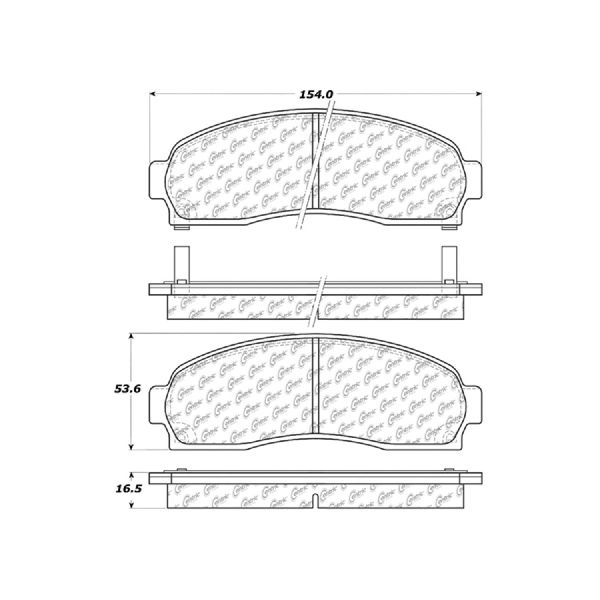
This vehicle uses front disc brake pads. The rear braking system uses drum brake shoes. Pad material can be semi-metallic, ceramic, or organic. Always verify fitment for your specific sub-model (2WD vs 4WD) as components can differ.
We Have This Part in Stock

The information in this article is provided for general reference and educational purposes only. Vehicle specifications, procedures, and part compatibility can vary by production date, trim level, and region. Always consult your vehicle's factory service manual and verify part numbers before purchasing or performing repairs. Safety-critical components such as airbags, seat belts, and braking systems should be installed by a qualified professional.
- Ford Ranger: