

A Guide to the Engine Valve Cover Gasket Set for the 2004-2014 Chevrolet Impala
Leaking valve cover gaskets are a common issue on the Impala; here is what you need to know to fix it right.
- Check for the critical safety recall on 2000-2004 models with the 3.8L V6 engine due to fire risk from leaking gaskets.
- Oil in the spark plug wells is a classic symptom of a failed valve cover gasket set on these cars, leading to misfires.
- High-quality aftermarket brands like Fel-Pro and Victor Reinz are trusted, cost-effective alternatives to OEM parts.
- Proper cleaning of all mating surfaces and using a small amount of RTV sealant at engine cover seams are crucial for a leak-free repair.
Is Your Impala Leaking Oil? Understanding the Valve Cover Gasket

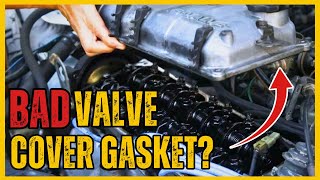
If you own a 2004-2014 Chevrolet Impala, there's a good chance you'll eventually face a leaking valve cover gasket. This is one of the most common oil leaks on these engines. The constant exposure to heat causes the original rubber gaskets to become hard and brittle over time. Once they lose their flexibility, they can no longer maintain a proper seal, and oil begins to seep out.
Important Safety Recall for 3.8L V6 Engines
Certain 2000-2004 Impala models equipped with the 3.8L V6 engine were part of a major safety recall (including GM recall numbers 14574 and 15757). The front valve cover gasket could leak oil onto the hot exhaust manifold, creating a significant risk of an engine fire. The official GM remedy involved replacing the front valve cover gasket with an improved design and often included removing the plastic engine "beauty" cover to prevent oil from pooling. If you have one of these models, it is critical to ensure this recall work has been performed.
🎬 See how to diagnose oil leaks on the GM 3800 V6Symptoms of a Failing Gasket

A bad valve cover gasket will give you clear signs that something is wrong. Look for:
🎬 Watch: 5 telltale signs of a bad valve cover gasket- Burning Oil Smell: This is often the first symptom. Oil leaks onto hot engine parts like the exhaust manifold and burns off, creating a distinct and unpleasant smell that can enter the car's cabin.
- Visible Oil Leaks: You may see wet, oily, or grimy areas around the top of the engine, on the sides of the cylinder heads. The leak can attract dirt, making the area look dark and sludgy.
- Oil in Spark Plug Wells: When the spark plug tube seals fail, oil can fill the wells where the spark plugs sit. This can lead to a rough idle, engine misfires, and a check engine light (codes P0300-P0306).
- Low Engine Oil: A significant leak will cause a noticeable drop in your engine oil level between changes, requiring you to top it off frequently.
- Smoke from Engine Bay: In severe cases, enough oil may leak onto the exhaust to create visible smoke from under the hood.
Choosing the Right Aftermarket Gasket Set

You don't need to buy an expensive OEM gasket from the dealer. High-quality aftermarket brands often meet or exceed OEM specifications and are readily available. Here’s a breakdown of common brands:
- Top Tier (OEM Quality or Better): Brands like Fel-Pro and Victor Reinz are trusted by professional mechanics. Fel-Pro, in particular, is known for its problem-solving designs, like their PermaDryPlus gaskets, which are engineered for the imperfect sealing surfaces of older engines. Victor Reinz is a major OEM supplier and offers excellent quality.
- High-Performance: Cometic Gasket is a premium brand focused on high-performance and racing applications. Their gaskets are excellent but are likely overkill for a standard daily-driven Impala.
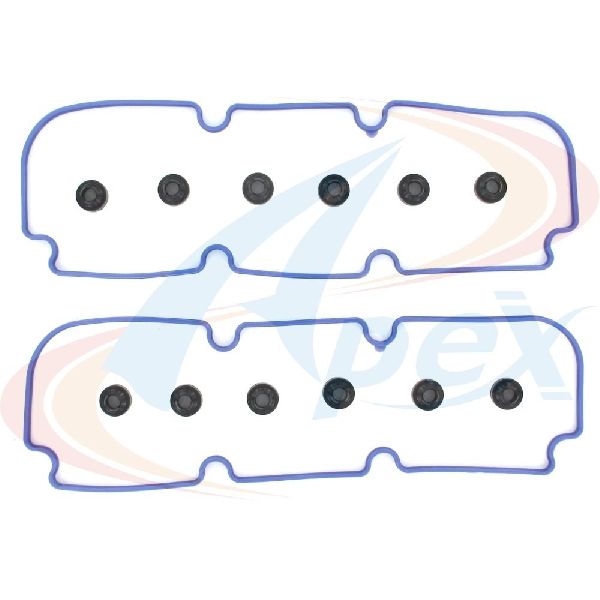
- Standard/Economy Tier: Brands like Apex and Mr. Gasket offer more budget-friendly options. These can be a good choice for a cost-effective repair, but may not offer the same longevity or advanced materials as the top-tier brands.
Pro Tip: Clean Surfaces are Key
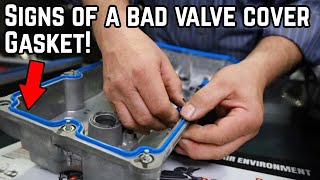
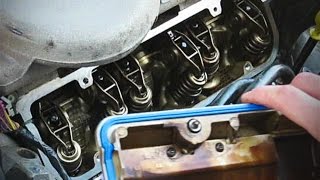
The number one cause of a failed gasket replacement is improper surface preparation. Before installing the new gasket, you must thoroughly clean all oil, grime, and old gasket material from both the valve cover and the cylinder head mating surfaces. Use a plastic scraper and brake cleaner on a rag (do not spray directly into the engine) to avoid scratching the aluminum surfaces. Also, apply a small dab of RTV sealant at the corners where the timing cover meets the cylinder head to prevent leaks.
Replacement Costs

The cost to replace your Impala's valve cover gaskets can vary depending on your engine and whether you do it yourself.
| Item | Cost Range |
|---|---|
| New Aftermarket Gasket Set | $17.87 - $98.46 |
| Shop Labor | $195 - $350 |
| Total Professional Repair | $220 - $450 |
Costs are estimates and can vary based on your location, engine type (3.5L, 3.6L, 3.9L, etc.), and the specific shop's labor rates.
Frequently Asked Questions
Is this a good DIY project for a beginner?
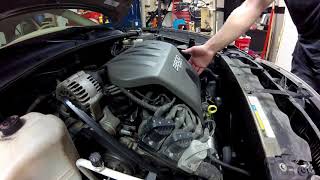
It depends on your engine and your mechanical skill. On the 5.3L V8, it's relatively straightforward. On the common 3.5L and 3.9L V6 engines, it's more involved, requiring the removal of engine mounts, brackets, and coolant lines to get access, making it a moderate-difficulty job. The 3.6L V6 is the most complex, often requiring removal of the intake manifold. If you are not comfortable with these steps, it's best left to a professional.
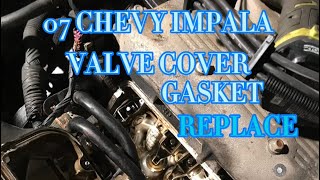
🎬 Watch this step-by-step replacement for 2006-2016 Impala modelsDo I need to replace the bolts?
Typically, no. The original bolts can be reused. Just make sure to clean them. However, the gaskets often come with new bolt grommets (seals), and these should always be replaced.
What torque spec should I use for the valve cover bolts?
The correct torque is critical to prevent leaks. Over-tightening can damage the gasket or the valve cover. For many GM V6 engines of this era, the spec is around 10 N.m or 89 lb-in. This is a very light torque, so use an inch-pound torque wrench. Tighten the bolts in a crisscross pattern to ensure even pressure.
Should I use RTV sealant with the gasket?
You should not apply sealant along the entire length of the gasket itself. The new molded rubber gaskets are designed to seal on their own. However, you MUST apply a small amount of RTV sealant at any sharp corners or seams, specifically where the cylinder head meets the timing cover or intake manifold.
Helpful Videos

Technical Specifications
Torque specification for valve cover bolts is typically 10 N.m or 89 lb-in. Use an inch-pound torque wrench and a crisscross pattern for even sealing.
We Have This Part in Stock


The information in this article is provided for general reference and educational purposes only. Vehicle specifications, procedures, and part compatibility can vary by production date, trim level, and region. Always consult your vehicle's factory service manual and verify part numbers before purchasing or performing repairs. Safety-critical components such as airbags, seat belts, and braking systems should be installed by a qualified professional.
- Chevrolet Impala:
- 🎬 Helpful Videos
- 🛍️ Shop This Part
- Is Your Impala Leaking Oil? Understanding the Valve Cover Gasket
- Important Safety Recall for 3.8L V6 Engines
- Symptoms of a Failing Gasket
- Choosing the Right Aftermarket Gasket Set
- Pro Tip: Clean Surfaces are Key
- Replacement Costs
- Frequently Asked Questions
- 🎟️ Get 5% Off