

Dodge Charger Accessory Drive Belt Guide (2006-2015)
Everything you need to know about replacing the accessory drive belt on your V6 or HEMI Charger.
- A squealing noise is the first and most common sign of a worn accessory drive belt.
- It is highly recommended to replace the belt tensioner and idler pulleys at the same time as the belt to prevent future issues.
- If the belt breaks, your Charger will lose power steering and electrical charging, and may overheat, making it unsafe to drive.
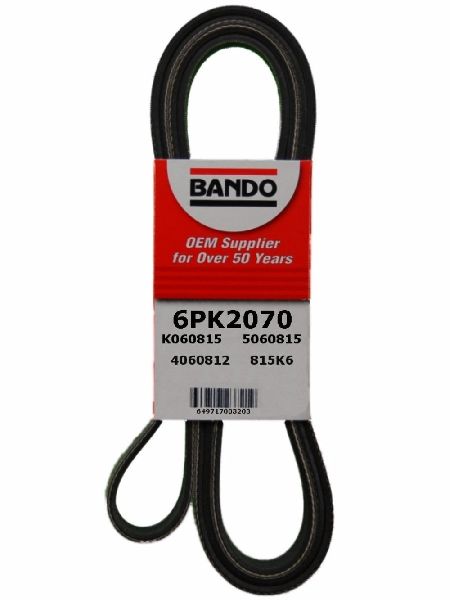
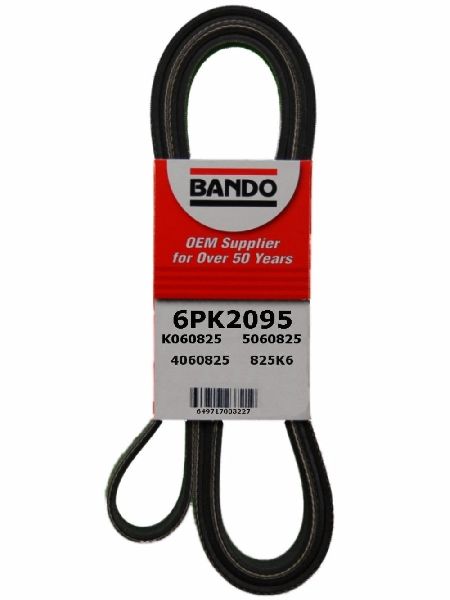
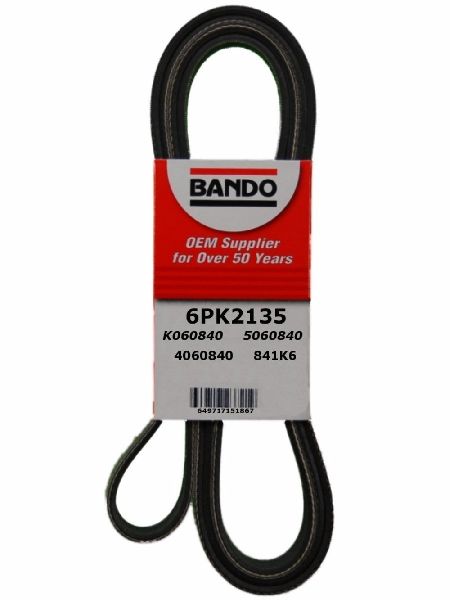
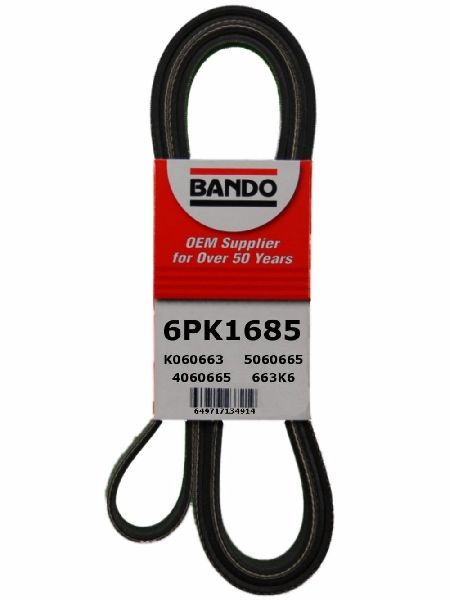
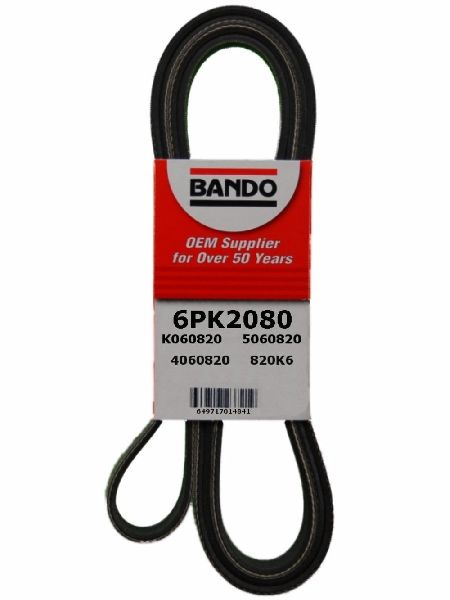
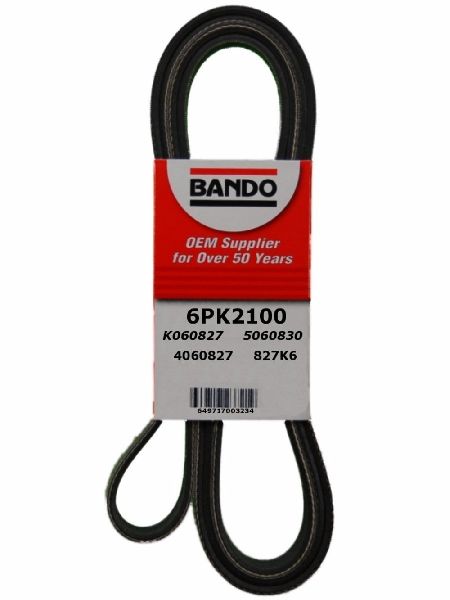
- Premium aftermarket brands like Bando, Mitsuboshi, and ACDelco offer OEM quality for less than the Mopar part.
Signs of a Failing Accessory Drive Belt
A worn-out accessory drive belt gives you several warning signs before it fails completely. Ignoring them can lead to a sudden breakdown, potentially causing more expensive damage. Listen and look for these clues:
- Squealing or Chirping Noises: A high-pitched squeal or chirp, especially when you start the engine or run the A/C, is the most common symptom. This noise means the belt is slipping on one of the pulleys due to wear, improper tension, or contamination.
- Visible Wear and Tear: Pop the hood and look at the belt. If you see cracks, fraying, missing ribs, or a shiny, glazed surface, it's time for a replacement.
- Accessory Problems: If your power steering feels heavy, your A/C isn't blowing cold, or your battery warning light comes on, the belt may be slipping and failing to power those components properly.
- Engine Overheating: On many Charger engines, the belt drives the water pump. A slipping or broken belt can cause the engine to overheat quickly, which is a serious issue.
Alternator Recall for 3.6L Engines
Chrysler issued a recall (NHTSA 14V-634) for certain 2011-2014 Dodge Chargers with the 3.6L engine due to potential alternator failure. While not a belt recall, the procedure to replace the alternator involves removing the serpentine belt. If your vehicle falls in this range, it's worth checking if the recall work was performed, as it often included a new belt.
Choosing the Right Aftermarket Belt
When shopping for a new belt, you'll find several brands available. They generally fall into a few tiers of quality and price. Remember that the belt tensioner and idler pulleys are also wear items and are often the root cause of belt failure. It's highly recommended to replace the tensioner and any noisy idler pulleys at the same time as the belt.
Brand Tiers for Your Charger
- OEM-Equivalent (Best Quality): Brands like Bando and Mitsuboshi are often the original equipment manufacturers for many car companies. Choosing one of these is like getting the Mopar part without the dealership price tag. They are known for excellent fit and longevity.
- Premium Aftermarket (Great Value): Brands such as ACDelco and Gates are well-respected in the industry and produce high-quality belts that meet or exceed OEM specifications. They are a reliable and cost-effective choice for most Charger owners.
- Standard Aftermarket (Budget-Friendly): Crown Automotive specializes in Chrysler-family vehicles and offers a budget-friendly option. While functional, they may not have the same lifespan as premium brands. These are best for low-mileage drivers or if budget is the primary concern.
Pro Tip: Many forum users and mechanics suggest that spending a little more on a quality belt from a brand like Bando, Mitsuboshi, or ACDelco is worth it to avoid premature failure and the hassle of doing the job twice.
Estimated Replacement Costs
The cost to replace your accessory drive belt can vary based on your engine and whether you do the work yourself or hire a professional. The job is generally considered DIY-feasible for those with basic mechanical skills.
| Item | Estimated Cost |
|---|---|
| New Aftermarket Belt | $32 - $88 |
| New Mopar (OEM) Belt | $50 - $120 |
| Shop Labor | $100 - $200 |
| Total (Professional) | $132 - $288 |
Frequently Asked Questions
How often should I replace my Charger's accessory drive belt?
Most manufacturers recommend inspecting the belt at every service and replacing it every 60,000 to 100,000 miles, or sooner if you see signs of wear. Your driving conditions can also affect its lifespan.
Can I just replace the belt and not the tensioner?
You can, but it's not recommended. A weak or failing tensioner is a common cause of belt noise and premature belt failure. Replacing the belt, tensioner, and idler pulleys together as a kit ensures all components are fresh and can save you from doing the job again soon.
What happens if my accessory drive belt breaks while driving?
If the belt breaks, you will immediately lose power to the alternator, power steering, and A/C. If it also drives the water pump, your engine will begin to overheat very quickly. You should pull over safely as soon as possible, as the car will become undrivable within minutes.
Is a more expensive belt always better?
Not always, but quality matters. Belts from OEM suppliers like Bando or premium brands like ACDelco use advanced rubber compounds (like EPDM) that resist heat, cracking, and stretching better than cheaper alternatives. They provide more reliability and a longer service life, making them a worthwhile investment.
Technical Specifications
OEM Part Numbers: 53013676AC
The accessory drive belt is a multi-rib (serpentine) belt made from a durable EPDM rubber compound. The exact length and number of ribs vary depending on the engine (2.7L, 3.5L, 3.6L, 5.7L, 6.1L, 6.4L) and model year. Always verify the correct part number for your specific vehicle configuration.
We Have This Part in Stock

The information in this article is provided for general reference and educational purposes only. Vehicle specifications, procedures, and part compatibility can vary by production date, trim level, and region. Always consult your vehicle's factory service manual and verify part numbers before purchasing or performing repairs. Safety-critical components such as airbags, seat belts, and braking systems should be installed by a qualified professional.
- Dodge Charger: