

GMC Savana 3500 (2004-2015) Ignition Knock Sensor Guide
Experiencing poor engine performance or a check engine light? Your knock sensors might be the problem.
- The primary cause of failure is water corroding the sensors and harness located under the intake manifold.
- Always replace both knock sensors, the wiring sub-harness, and the intake manifold gaskets at the same time.
- Using a quality brand like Delphi or NGK is highly recommended due to the high labor cost of the job.
- New sensors must be torqued to exactly 15 ft-lbs, and a dam of RTV silicone should be applied to prevent future water damage.
Is a Failing Knock Sensor a Big Deal?
Yes, it can be. When a knock sensor fails, the engine's computer can no longer detect harmful detonation. To protect the engine, the computer will often default to a "safe mode," which significantly reduces engine power and ignition timing. This leads to poor acceleration, bad fuel economy, and can make hauling heavy loads difficult. Ignoring a bad knock sensor can, in worst-case scenarios, lead to severe engine damage.
Known Issue: Water Intrusion and Corrosion
The most common cause of knock sensor failure on 2004-2015 GMC Savana 3500 vans with Vortec V8 engines is water intrusion. The two knock sensors are located in wells on the engine's valley plate, underneath the intake manifold. Over time, moisture from rain, condensation, or even pressure washing can collect in these wells, causing the sensors and the wiring harness to rust and corrode. The rear sensor (Bank 2) is often the first to fail due to its location. GM released a Technical Service Bulletin (TSB 02-06-04-023A) advising technicians to build a dam of RTV silicone around the sensor holes to prevent future water intrusion.
Symptoms of a Bad Knock Sensor
A failing knock sensor will almost always trigger the Check Engine Light. Common symptoms include:
- Check Engine Light is on
- Reduced engine power and acceleration
- Noticeably worse fuel economy
- Engine hesitates or jerks during acceleration
- Audible pinging or knocking sound from the engine (less common, as the computer usually prevents this)
Choosing the Right Aftermarket Knock Sensor
When it comes to engine sensors, quality matters. For this specific repair, using a quality part is critical due to the high labor cost involved. You don't want to do this job twice.
Tier 1: OEM Supplier Brands
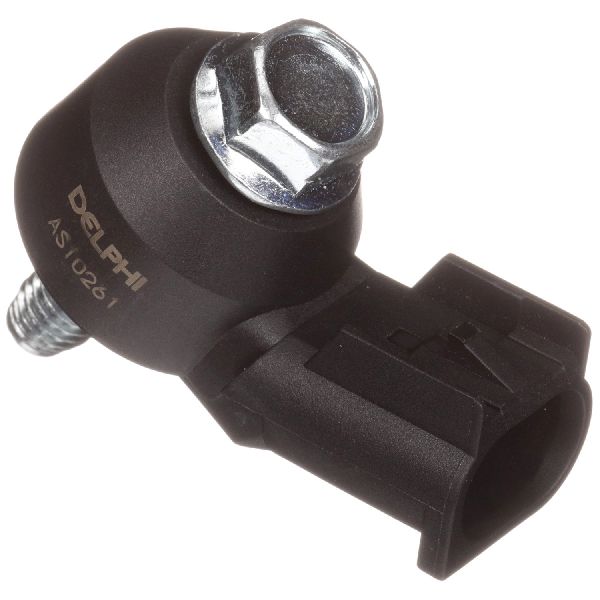
- Delphi: Delphi was an original equipment (OE) supplier for many GM vehicles. Choosing a Delphi sensor is often the closest you can get to the factory part without paying dealership prices. They are widely considered a top choice for this application.
- NGK/NTK: NGK (under their NTK sensor brand) is another highly respected manufacturer known for its quality sensors, particularly oxygen sensors. They are a solid alternative to Delphi.
Tier 2: Reputable Aftermarket Brands
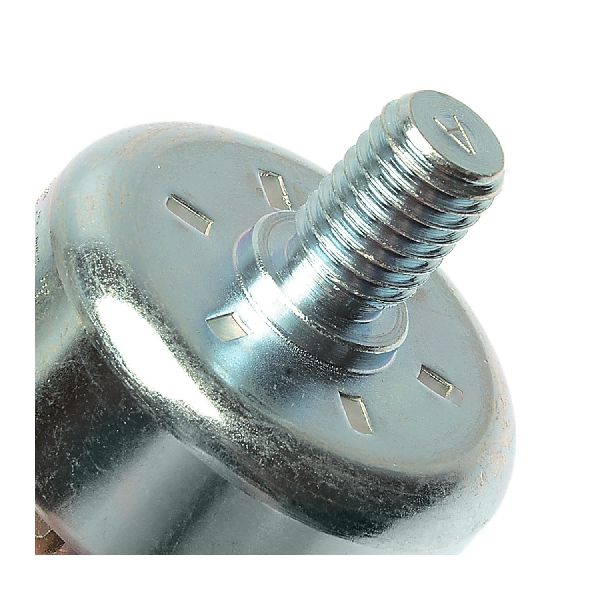
- Standard Ignition (SMP): Standard Motor Products has been a long-time player in the aftermarket. While some users have noted variable quality in recent years, their parts are generally considered a reliable mid-tier option.
- Beck Arnley: This brand focuses on sourcing parts that match the original form, fit, and function, often re-boxing parts from various manufacturers, including OE suppliers.
- Walker Products / Holstein: These brands offer a wide range of sensors and are a viable choice if Tier 1 options are unavailable.
Tier 3: Budget-Friendly Options
- Brands like Global Parts, Motorad, and True Tech fall into the budget category. While they offer significant cost savings, their long-term reliability may be a concern. Given the difficulty of this repair, it is highly recommended to invest in a Tier 1 or Tier 2 brand to avoid premature failure and repeated labor costs.
Pro Tip: Always Replace in Pairs and Replace the Harness!
Since replacing the knock sensors requires removing the entire intake manifold, it is critical to replace both sensors at the same time, even if only one has failed. The wiring harness that connects the two sensors is also located under the intake and is prone to the same heat and moisture damage. This harness often becomes brittle and corroded, so it MUST be replaced along with the sensors to ensure a lasting repair.
Cost of Replacing GMC Savana 3500 Knock Sensors
The cost can vary significantly based on whether you do the work yourself or take it to a shop. The biggest factor is the labor involved in removing the intake manifold.
| Part / Service | Estimated Cost |
|---|---|
| New Aftermarket Knock Sensors (Set of 2) | $30 - $170 |
| New Aftermarket Wiring Harness | $20 - $40 |
| Intake Manifold Gasket Set | $40 - $80 |
| DIY Total Parts Cost | $90 - $290 |
| Shop Labor | $350 - $600 (3-5 hours) |
| Professional Replacement Total | $440 - $890 |
Frequently Asked Questions (FAQ)
Can I replace just the one bad knock sensor?
You can, but it is strongly advised against. The labor to access the sensors is the most expensive part of the job. Since both sensors are the same age and live in the same harsh environment, the second one is likely to fail soon after. Always replace both sensors and the harness at the same time to avoid paying for the same labor twice.
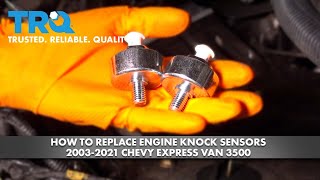
Is this a DIY job? 🎬 Watch this step-by-step replacement guide for Express and Savana vans.
This is an advanced DIY job. It requires removing the fuel lines, throttle body, and the entire intake manifold. You will need a torque wrench, as the knock sensors must be torqued to a specific value (typically 15 ft-lbs) to function correctly. Over or under-torquing them will result in incorrect readings and persistent codes. If you are not comfortable with a job of this complexity, it is best to leave it to a professional mechanic.
🎬 Check out this quick and easy method for 6.0L engines.What are the most common error codes for a bad knock sensor?
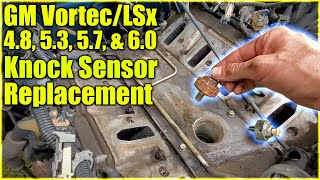
The most common codes are P0327 (Knock Sensor 1 Circuit Low Input - Bank 1, front sensor) and P0332 (Knock Sensor 2 Circuit Low Input - Bank 2, rear sensor). 🎬 See how to diagnose and replace sensors on Vortec engines. You may see one or both of these codes.
Do I need to do anything special after installing the new sensors?
Yes. As per GM's Technical Service Bulletin, you should apply a bead of RTV silicone to form a small "dam" around the sensor plugs in the engine valley. This helps divert water away from the sensor wells and prevents the corrosion that caused the original failure. It is also critical to properly torque the intake manifold bolts in the correct sequence during reassembly to prevent vacuum leaks.
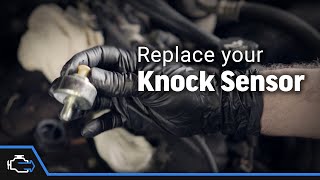
Helpful Videos
Technical Specifications
OEM Part Numbers: 12589867 10456603
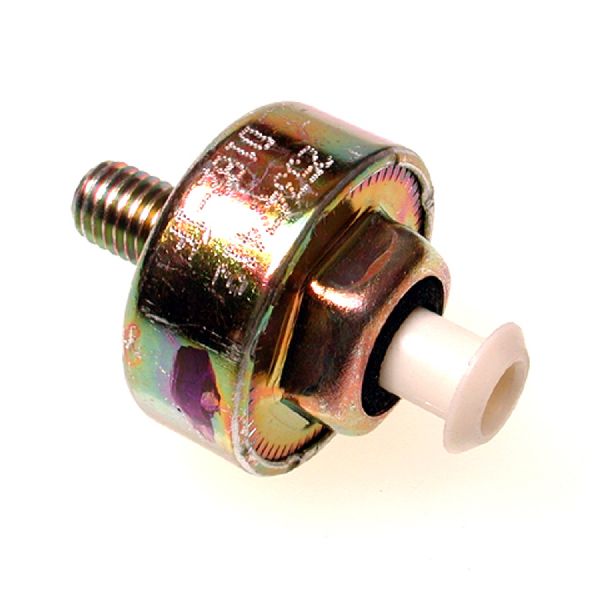
Location: Under intake manifold in engine valley. Quantity Required: 2. Torque Spec: 15 ft-lbs (20 Nm).
We Have This Part in Stock


The information in this article is provided for general reference and educational purposes only. Vehicle specifications, procedures, and part compatibility can vary by production date, trim level, and region. Always consult your vehicle's factory service manual and verify part numbers before purchasing or performing repairs. Safety-critical components such as airbags, seat belts, and braking systems should be installed by a qualified professional.
- GMC Savana 3500:
- 🎬 Helpful Videos
- 🛍️ Shop This Part
- Is a Failing Knock Sensor a Big Deal?
- Known Issue: Water Intrusion and Corrosion
- Symptoms of a Bad Knock Sensor
- Choosing the Right Aftermarket Knock Sensor
- Pro Tip: Always Replace in Pairs and Replace the Harness!
- Cost of Replacing GMC Savana 3500 Knock Sensors
- Frequently Asked Questions (FAQ)
- 🎟️ Get 5% Off