

A Guide to Oxygen Sensor Replacement for the 2005-2009 Chrysler Voyager
Understand the symptoms of a failing O2 sensor and learn how to choose the right replacement for your minivan.
- Your 2005-2009 Voyager has two O2 sensors; an upstream sensor by the firewall and a downstream sensor after the catalytic converter.
- Symptoms of failure include a check engine light, poor gas mileage, rough idle, and a rotten egg smell from the exhaust.
- Ignoring a bad O2 sensor can lead to costly catalytic converter damage.
- For best results, choose direct-fit aftermarket sensors from OEM-equivalent brands like Denso or NTK, though value brands like Walker are also used by some owners.
Is Your Chrysler Voyager's Oxygen Sensor Failing?
Oxygen sensors don't last forever and typically need replacement every 60,000 to 100,000 miles due to constant exposure to extreme heat and exhaust gases. When an O2 sensor in your 2005-2009 Voyager begins to fail, it can no longer send accurate information to the engine's computer. This can lead to a range of noticeable problems, from annoying to severe. Ignoring these signs can lead to more expensive repairs down the road, including damage to your catalytic converter.
Symptoms of a Bad Oxygen Sensor
A failing O2 sensor can make itself known in several ways. The most common sign is the check engine light illuminating on your dashboard. You might also notice your minivan is using more fuel than usual, idling roughly, or hesitating during acceleration. In some cases, you may even smell a "rotten egg" or sulfur-like odor from the exhaust.
Don't Ignore a Failing Sensor
Driving with a bad oxygen sensor can cause your engine to run too rich (too much fuel) or too lean (not enough fuel). A rich condition can overheat and permanently damage your catalytic converter, a repair that is significantly more expensive than replacing an O2 sensor.
Choosing the Right Aftermarket Oxygen Sensor
When shopping for a new oxygen sensor for your Voyager, you'll find Original Equipment (OEM) parts and a variety of aftermarket options. For this specific vehicle, sticking close to the original design is often the best approach.
- OEM-Equivalent Brands (Denso, NTK): Many professional mechanics and experienced owners recommend using Denso or NTK sensors for Chrysler vehicles. These brands are often the original suppliers to the automaker, ensuring a precise fit, correct electrical connection, and reliable performance without causing compatibility issues.
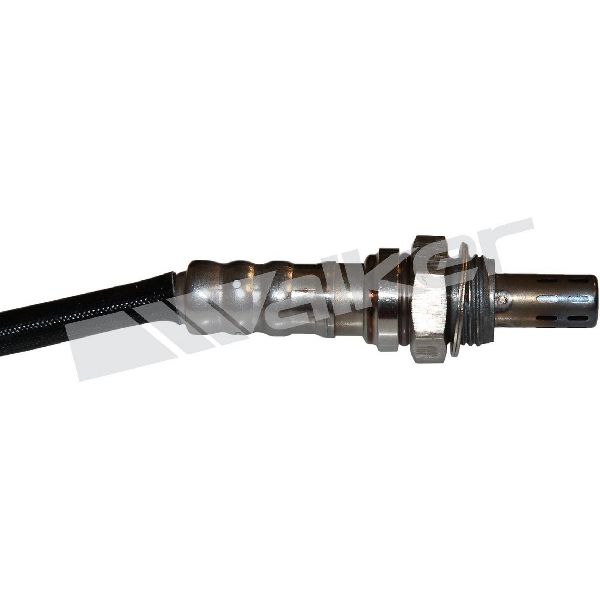
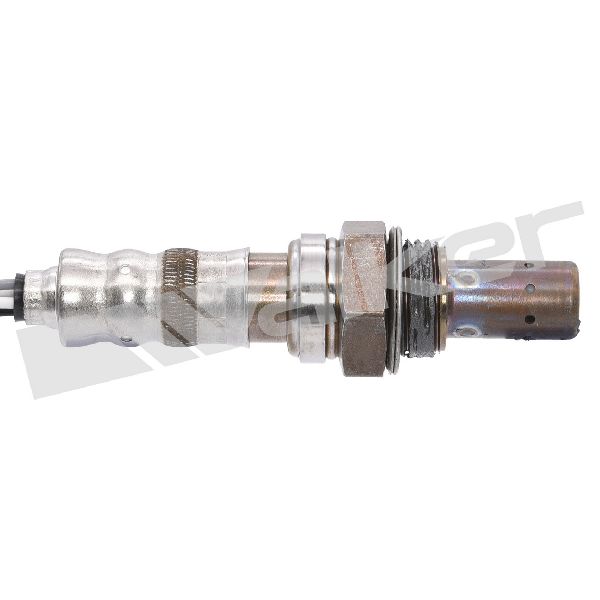
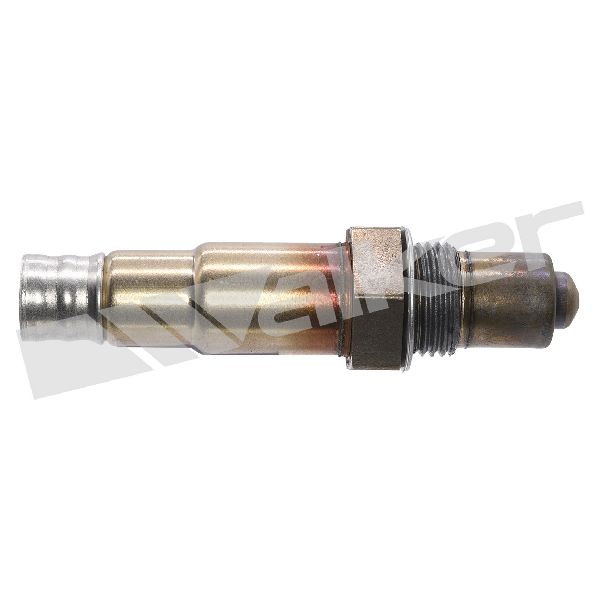
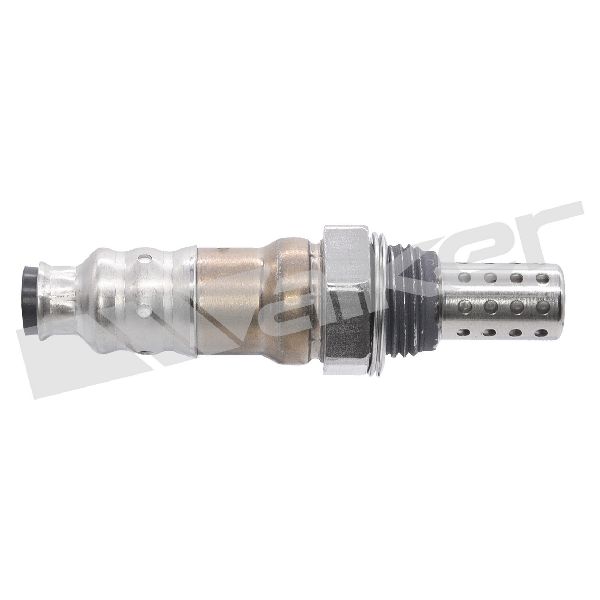
- Value-Tier Brands (Spectra, Walker Products): Brands like Walker Products and Spectra offer a more budget-friendly alternative. Some owners have used Walker sensors successfully with no issues, noting they offer a good balance of price and performance. However, be aware that some forums mention aftermarket sensors, including brands like Bosch, can sometimes provide incorrect readings or have a shorter lifespan on Chrysler vehicles, potentially leading to persistent check engine lights. For the best results with these brands, choose a "direct-fit" sensor with the correct factory-style connector to avoid any cutting or splicing of wires.
Pro Tip: Replace in Pairs?
Your Voyager has two O2 sensors. While you only need to replace the one that has failed, they tend to have a similar lifespan. If your vehicle has high mileage and one sensor fails, the other may not be far behind. Some owners choose to replace both at the same time to save on future labor and ensure the system is fully refreshed.
Cost of Replacing a Chrysler Voyager Oxygen Sensor
The cost can vary depending on the brand of the part and labor rates in your area. Doing the replacement yourself can save a significant amount on labor.
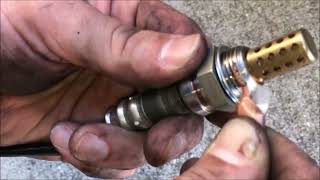
🎬 Watch this step-by-step guide to replacing your O2 sensor.| Part Type | Estimated Part Cost |
|---|---|
| New Aftermarket (Spectra, Walker) | $29 - $75 |
| New Aftermarket (Denso, NTK, Bosch) | $37 - $116 |
| New OEM (Mopar) | $50 - $100+ |
| Shop Labor | $90 - $180 |
Frequently Asked Questions (FAQ)
How many oxygen sensors does my 2005-2009 Chrysler Voyager have?
Your Voyager with the 3.3L or 3.8L V6 engine has two oxygen sensors. One is the upstream sensor (Bank 1, Sensor 1) located in the rear exhaust manifold, and the other is the downstream sensor (Bank 1, Sensor 2) located after the catalytic converter.
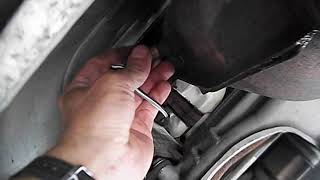
🎬 Watch this walkthrough for removing the downstream oxygen sensor.Where are the O2 sensors located on a Chrysler Voyager?
The upstream (Bank 1, Sensor 1) sensor is found on the rear exhaust manifold, near the firewall. The downstream (Bank 1, Sensor 2) sensor is installed in the exhaust pipe just after the catalytic converter. Accessing the upstream sensor can be tricky due to its location.
Can I replace an oxygen sensor myself?
Yes, this is a DIY-feasible job for those with mechanical experience. It requires a special oxygen sensor socket to accommodate the wire. The sensors can be rusted in place, so applying penetrating oil beforehand is highly recommended. The upstream sensor's location near the firewall can make it difficult to reach.
🎬 See how to access and change the tricky upstream sensor.What are common trouble codes for a bad O2 sensor on this van?
Common codes include P0132 (O2 Sensor Circuit High Voltage Bank 1 Sensor 1) and P0138 (O2 Sensor Circuit High Voltage Bank 1 Sensor 2), which were reported for a 2005 model. Other potential Chrysler-specific codes include P1196 (Slow switching O2 Sensor Bank 1 Sensor 1) and P1197 (Slow switching O2 Sensor Bank 1 Sensor 2). A code like P0137 (O2 Sensor Circuit Low Voltage Bank 1, Sensor 2) is also possible.
Should I buy a universal sensor or a direct-fit sensor?
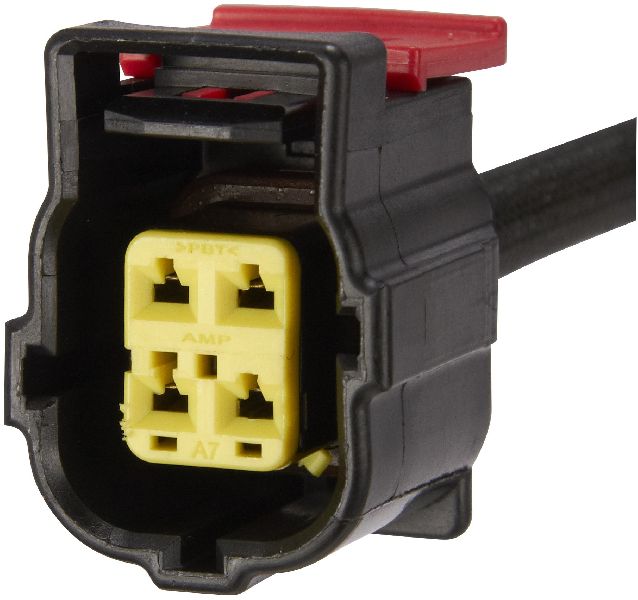
Always choose a direct-fit sensor. These come with the correct electrical connector for your Voyager, making installation a simple plug-and-play process. Universal sensors require you to cut your factory connector and splice wires, which can lead to connection problems and incorrect signals if not done perfectly.
Helpful Videos

Technical Specifications
OEM Part Numbers: 56029052AA 56029050AA 56028995AA 56029085AA
Number of Sensors: 2 (1 Upstream, 1 Downstream). Configuration: 4-wire heated sensors. Connector Type: Direct-fit recommended.
We Have This Part in Stock

The information in this article is provided for general reference and educational purposes only. Vehicle specifications, procedures, and part compatibility can vary by production date, trim level, and region. Always consult your vehicle's factory service manual and verify part numbers before purchasing or performing repairs. Safety-critical components such as airbags, seat belts, and braking systems should be installed by a qualified professional.
- Chrysler Voyager:
- 🎬 Helpful Videos
- 🛍️ Shop This Part
- Is Your Chrysler Voyager's Oxygen Sensor Failing?
- Symptoms of a Bad Oxygen Sensor
- Don't Ignore a Failing Sensor
- Choosing the Right Aftermarket Oxygen Sensor
- Pro Tip: Replace in Pairs?
- Cost of Replacing a Chrysler Voyager Oxygen Sensor
- Frequently Asked Questions (FAQ)
- 🎟️ Get 5% Off