

Saab 9-7x Engine Oil Pressure Switch: A Guide for 2005-2009 Models
Understanding why your oil pressure gauge drops to zero at idle and how to choose the right replacement switch.
- The replacement difficulty varies greatly: it's easy on the 4.2L I6 engine but very difficult on the 5.3L/6.0L V8s.
- Before replacing the sensor, investigate potential GM Technical Service Bulletins (TSBs) related to code P0521, which can point to oil pump or filter issues.
- A faulty sensor is the most likely cause of a gauge that drops to zero at idle, but you should always verify the oil level first.
- For V8 models, choose a premium aftermarket brand like Standard Ignition to avoid repeating the difficult installation.
Is Your Oil Pressure Gauge Acting Strange?
A common issue for 2005-2009 Saab 9-7x owners is an oil pressure gauge that behaves erratically. You might notice the gauge drops to zero when you're stopped at a light, only to jump back to a normal reading as soon as you press the gas. This is often accompanied by a flashing oil pressure light or a "Check Gauges" message. While alarming, the most frequent cause is a failing engine oil pressure switch, not a dangerous loss of oil pressure. The sensor itself can leak oil or simply wear out, sending false signals to your dashboard.
Before You Replace: Check for TSBs and Other Issues
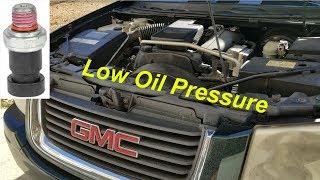
Before buying a new switch, be aware that General Motors has issued Technical Service Bulletins (TSBs) for oil pressure issues and the common P0521 trouble code. 🎬 Watch this breakdown of P0521 causes and potential fixes. These bulletins suggest that the problem can sometimes be caused by a sticking oil pressure relief valve inside the oil pump or even the use of an incorrect model of oil filter (specifically the PF48E model). It is wise to first rule out these other potential causes, as a new sensor will not fix a mechanical oil pump problem. Always check that your engine oil is full and clean, as a low oil level is a genuine cause for low pressure.
V8 vs. Inline 6: A Major Difference in Replacement Difficulty
The location of the oil pressure switch is very different depending on your engine. This drastically changes the difficulty of the replacement job.
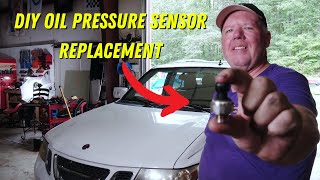
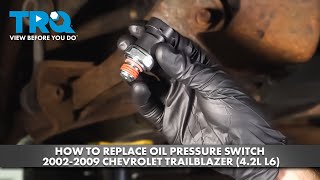
- 4.2L Inline-6 Engine: The switch is located on the passenger side of the engine block, right above the oil filter. It is relatively easy to access from underneath the vehicle. 🎬 See a step-by-step walkthrough for the 4.2L engine replacement.
- 5.3L or 6.0L V8 Engines: The switch is at the very back of the engine block, tucked behind the intake manifold and close to the firewall. This location is extremely difficult to reach, and the job is often done by feel. A special oil pressure switch socket is highly recommended. 🎬 Watch how to replace the sensor on V8 models.
Choosing the Right Aftermarket Brand
When selecting a new aftermarket switch, quality matters, especially for the hard-to-reach V8 application. You don't want to do that job twice.
- Premium Aftermarket (Standard Ignition): Brands like Standard Ignition (SMP) have a strong reputation for producing reliable sensors that meet or exceed original specifications. They perform extensive testing and often use high-grade materials. For the V8 engine, spending a little more on a premium brand is a smart investment to avoid repeat labor.
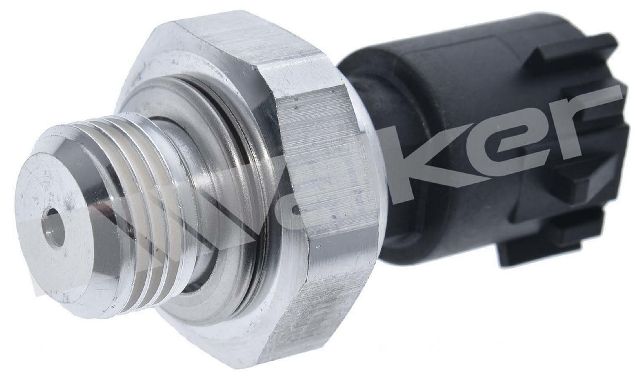
- Quality Standard (Walker Products): Walker is a well-regarded aftermarket manufacturer known for balancing quality and affordability. Reviews often indicate good fit and function, making it a solid choice for most owners, especially for the more accessible 4.2L engine application.
- Economy/Budget (URO Parts, True Tech): Brands like URO Parts are generally considered budget options. While tempting for their low price, reviews for their electronic components are often poor, with reports of premature failure. These brands might be acceptable for an easy-to-change part on a budget, but they are a risky choice for a critical sensor that requires significant labor to replace.
What About the Little Screen?
Underneath the oil pressure switch on many GM engines is a small, thimble-shaped filter screen. This screen can become clogged with sludge and contribute to faulty readings. It is best practice to remove the old screen and install a new one when you replace the sensor. Some aftermarket kits, like those from Standard, may include this filter. If the old screen is stuck, it can sometimes be carefully extracted with a screw or pick.
Cost to Replace an Engine Oil Pressure Switch
| Part/Service | Estimated Cost |
|---|---|
| New Aftermarket Part | $28 - $72 |
| New OEM Part (ACDelco/GM) | $40 - $90 |
| Shop Labor | $100 - $250 |
Note: Labor costs can vary significantly based on your engine type (V8 models are more expensive) and local shop rates.
Frequently Asked Questions
Will replacing the sensor definitely fix my gauge problem?
Not always. While a faulty sensor is the most common cause, the issue could also be a clogged sensor screen, a problem with the wiring connector, or a more serious mechanical issue like a failing oil pump, as noted in GM's service bulletins. It's best to diagnose the problem properly before replacing parts.
What tools do I need to replace the switch?
For the 4.2L engine, you may be able to use channel-lock pliers or a standard wrench. For the 5.3L/6.0L V8, a special deep socket designed for oil pressure switches is almost essential due to the tight space. You will also need a ratchet with various extensions and possibly a wobble socket.
Do I need to drain the oil to replace the switch?
No, you do not need to drain all the oil. However, a small amount of oil will leak out when you remove the old sensor, so it's a good idea to have a rag or a small pan ready.
Are there any recalls for this problem on the Saab 9-7x?
No. While the Saab 9-7x has had recalls for issues like headlights and power window switches, there are no active NHTSA recalls for the engine oil pressure switch.
Helpful Videos

Technical Specifications
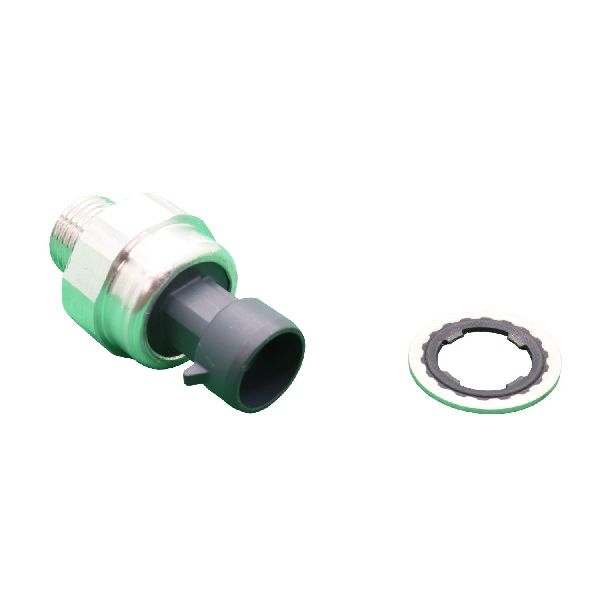
OEM Part Numbers: 12673134 12621234 12635957 12677836 D1843A
The switch is specific to your engine type (4.2L, 5.3L, or 6.0L). V8 models require a specific socket for installation due to tight clearance. Some switches come with pre-applied thread sealant and a new filter screen.
We Have This Part in Stock


The information in this article is provided for general reference and educational purposes only. Vehicle specifications, procedures, and part compatibility can vary by production date, trim level, and region. Always consult your vehicle's factory service manual and verify part numbers before purchasing or performing repairs. Safety-critical components such as airbags, seat belts, and braking systems should be installed by a qualified professional.
- Saab 9-7x:
- 🎬 Helpful Videos
- 🛍️ Shop This Part
- Is Your Oil Pressure Gauge Acting Strange?
- Before You Replace: Check for TSBs and Other Issues
- V8 vs. Inline 6: A Major Difference in Replacement Difficulty
- Choosing the Right Aftermarket Brand
- What About the Little Screen?
- Cost to Replace an Engine Oil Pressure Switch
- Frequently Asked Questions
- 🎟️ Get 5% Off