

Saab 9-7x 2005-2009 Ignition Knock Sensor: A Vehicle-Specific Guide
Fixing check engine lights and poor performance in your GM-powered Saab 9-7x starts with understanding the knock sensor.
- For V8 models, the replacement is a difficult job; always use a high-quality brand like Delphi or NGK and replace the harness simultaneously.
- Always diagnose the specific trouble code (e.g., P0327, P0332) before purchasing parts to confirm the sensor is the likely issue.
- The 4.2L I6 engine has much easier-to-access sensors on the side of the block, making replacement simpler and cheaper.
- Proper torque is critical during installation; over-tightening can break the new sensor.
Understanding Knock Sensor Failure in Your 9-7x
A failing knock sensor in your Saab 9-7x can cause more than just an annoying Check Engine Light. Because the 9-7x is built on a GM platform shared with the Chevrolet Trailblazer, these issues are well-documented. When the sensor fails, the engine's computer can no longer detect harmful detonation. To protect the engine, it will often default to a "safe mode," which reduces power and ignition timing. This can make your powerful V8 or capable I6 feel sluggish and unresponsive.
Symptoms of a Bad Knock Sensor
The signs of a failing knock sensor are often clear. Ignoring them can lead to poor fuel economy and potential long-term engine damage.
- Check Engine Light: This is the most common symptom. You will likely see codes such as P0325, P0327, or P0332. P0327 indicates a low voltage signal from the sensor, a common failure mode.
- Reduced Engine Power: Your vehicle's computer will retard timing to prevent potential damage, resulting in noticeably slower acceleration.
- Poor Fuel Economy: An engine running in safe mode is not efficient. You may notice you're filling up the tank more often.
- Audible Engine Pinging: In some cases, you might hear a metallic pinging or knocking sound, especially during acceleration. This is the detonation that the sensor is supposed to detect.
An Important Note for V8 Owners (5.3i and Aero)
If you have the 5.3L or 6.0L V8 engine, the two knock sensors are located under the intake manifold in the engine valley. This location makes them prone to corrosion from moisture that can collect in the sensor cavities. It also makes replacement a much more involved and expensive job, as the entire intake manifold must be removed. It is highly recommended to replace the wiring harness at the same time.
Choosing the Right Aftermarket Knock Sensor
Since your Saab uses a common GM engine, you have many aftermarket options. Quality is critical, especially for V8 models where the labor to replace a failed part is significant. Going with the cheapest option can mean doing the job twice.
Tier 1: OEM Equivalent Brands
- Delphi: Delphi is a well-known original equipment (OE) supplier for General Motors. Choosing a Delphi sensor is often the same as buying the genuine part without the dealership price tag. Reviews are generally positive, with many users reporting they fixed codes that cheaper or even some AC Delco parts did not.
- NGK (NTK): NGK, which markets sensors under the NTK brand, is another top-tier manufacturer known for quality that meets or exceeds OE specifications. They are a trusted name in the industry.
Tier 2: Reputable Aftermarket Brands
- Standard Ignition (SMP): Standard Motor Products is a long-standing brand trusted by professional technicians. They manufacture high-quality parts designed to perform like the original.
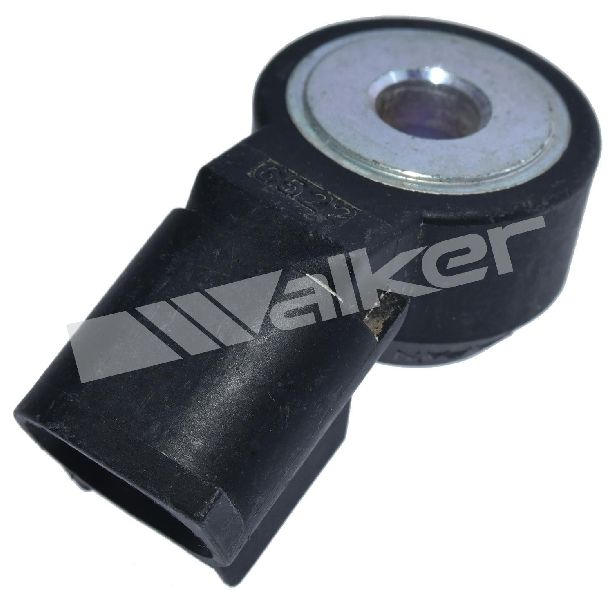
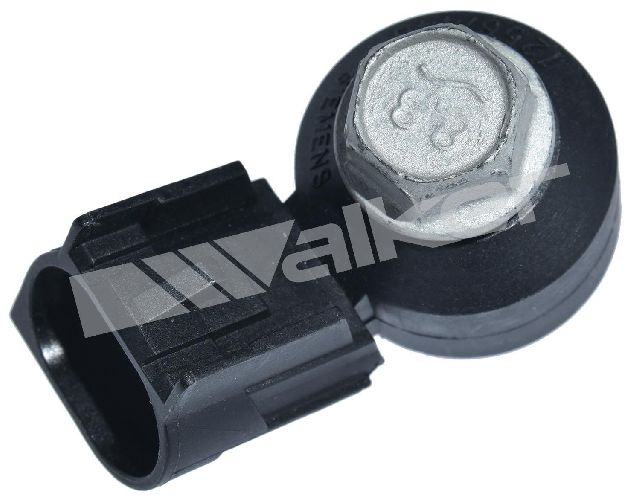
- Walker Products: Walker is another established name in the aftermarket, offering a reliable alternative to premium brands.
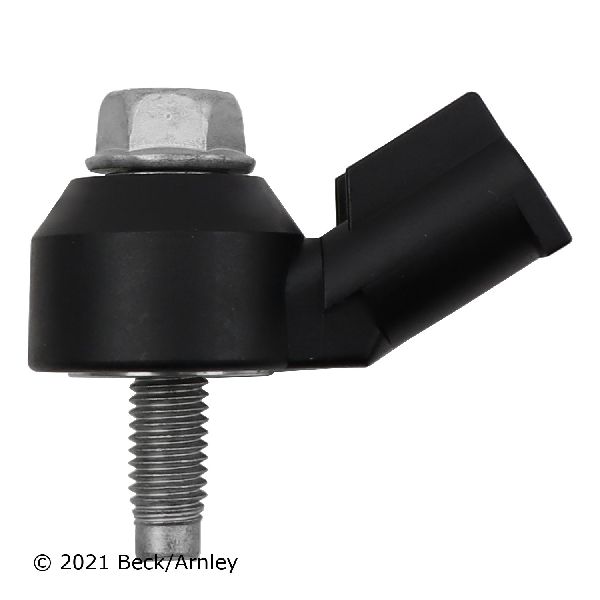
- Beck Arnley: This brand focuses on sourcing parts that match the original fit, form, and function, though user experiences can sometimes be mixed.
Tier 3: Budget-Focused Brands
- Global Parts, Motorad, True Tech: These brands fall into the budget category. While the low price is tempting, be cautious. For a sensor that is difficult to access (like on the V8 models), the risk of premature failure and having to pay for labor again often outweighs the initial savings. For the easier-to-access 4.2L sensor, the risk is lower.
Pro Tip: Regardless of the brand, always torque the knock sensor to the manufacturer's specification (typically around 15-18 ft-lbs). Overtightening or undertightening can damage the sensitive internal crystal and cause it to malfunction, even if it's a brand new part.
Cost to Replace a Saab 9-7x Knock Sensor
| Part/Service | Estimated Cost |
|---|---|
| New Aftermarket Sensor | $14.75 - $78.87 |
| New OEM Sensor | $20 - $65 |
| Shop Labor (4.2L I6) | $61 - $90 |
| Shop Labor (5.3L/6.0L V8) | $196 - $288+ |
Note: Labor costs for the V8 models are significantly higher due to the need to remove the intake manifold. Costs are estimates and will vary by location and repair shop.
Frequently Asked Questions
Where is the knock sensor on my Saab 9-7x?
On the 4.2L Inline-6 engine, the two knock sensors are located on the driver's side of the engine block. On the 5.3L and 6.0L V8 engines, the two sensors are located under the intake manifold.
Can I drive with a bad knock sensor?
Yes, but it is not recommended for long. The engine computer will reduce power to protect the engine, leading to poor performance and fuel economy. You should get the issue diagnosed and repaired as soon as possible to avoid potential engine damage.
Are there any recalls for the Saab 9-7x knock sensor?
No, there are no specific recalls issued by the NHTSA for the ignition knock sensor on the 2005-2009 Saab 9-7x. However, some manufacturers have issued Technical Service Bulletins (TSBs) for similar vehicles related to ECU logic that could be misinterpreted as a sensor fault.
Should I replace the wiring harness at the same time?
For V8 models, it is strongly recommended. The harness is subjected to the same heat and moisture as the sensors, and since the intake manifold is already off, replacing the relatively inexpensive harness is cheap insurance against having to do the job again.
Technical Specifications
OEM Part Numbers: 12623730 12570125
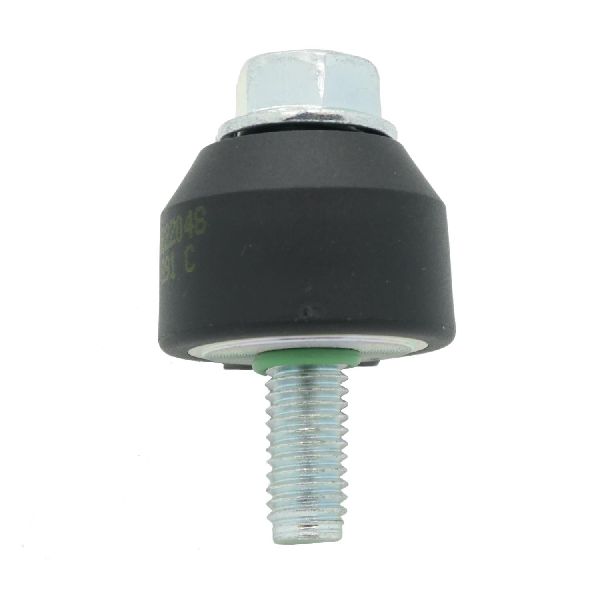
The Saab 9-7x uses two knock sensors. For 5.3L and 6.0L V8 engines, they are located under the intake manifold. For the 4.2L I6 engine, they are located on the side of the engine block. The sensors are piezoelectric microphones tuned to a specific frequency.
We Have This Part in Stock


The information in this article is provided for general reference and educational purposes only. Vehicle specifications, procedures, and part compatibility can vary by production date, trim level, and region. Always consult your vehicle's factory service manual and verify part numbers before purchasing or performing repairs. Safety-critical components such as airbags, seat belts, and braking systems should be installed by a qualified professional.
- Saab 9-7x: