

A Guide to Replacing the Radiator in Your 2005-2010 Hyundai Tucson
Everything you need to know when your first-generation Tucson starts overheating or leaking coolant.
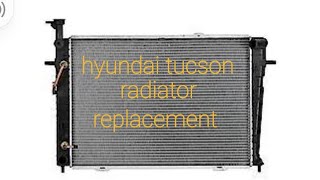
- The most common failure is the plastic side tanks cracking, causing coolant leaks.
- There are no specific recalls for the radiator; it's considered a wear-and-tear item.
- A quality aftermarket brand like Denso or Spectra offers the best value for this repair.
- Always replace the radiator cap and consider replacing hoses and the thermostat at the same time.
Is Your Tucson Radiator Failing?

For the 2005-2010 Hyundai Tucson, the most common radiator failure is a crack in the plastic tanks on the sides of the radiator core. Over years of heating up and cooling down, this plastic can become brittle and split, causing a coolant leak. You might also see leaks from old, cracked hoses connected to the radiator.
Key Symptoms of a Bad Radiator:
🎬 Watch: Top 10 reasons why your Tucson might be overheating- Engine Overheating: The temperature gauge on your dashboard climbs into the red zone. This is the most serious sign.
- Visible Coolant Leaks: You may find puddles of bright green, pink, or orange fluid under the front of your vehicle. If the coolant is old and rusty, the puddle may look brown.
- Sweet Smell: Leaking coolant often produces a distinct sweet, syrupy smell when it hits hot engine parts.
- Low Coolant Level: Frequently needing to add coolant to the overflow reservoir is a sure sign of a leak somewhere in the system.
Known Issues for 2005-2010 Hyundai Tucson
While cracking plastic side tanks is a widely reported issue for this generation of Tucson, there are no official recalls or Technical Service Bulletins (TSBs) from Hyundai or the NHTSA specifically for the radiator. This means the failures are considered normal wear and tear for a vehicle of this age, and the cost of repair is the owner's responsibility.
Choosing the Right Aftermarket Radiator

You do not need to buy an expensive OEM (Original Equipment Manufacturer) radiator from a Hyundai dealer. For a vehicle of this age, a quality aftermarket radiator offers the best value. Aftermarket brands often meet or exceed the original specifications. They can be grouped into quality tiers:
Brand Quality Tiers
- Premium Brands (Highest Quality & Price): Denso, Koyorad, Nissens. These brands are often OEM suppliers for many car manufacturers and are known for excellent quality, fit, and durability. Denso, in particular, has a strong reputation for reliability.
- Standard Brands (Good Quality & Value): Spectra, ACDelco. Spectra is a very popular and well-regarded aftermarket brand that provides a great balance of performance and price. Many technicians and DIYers use them with confidence.
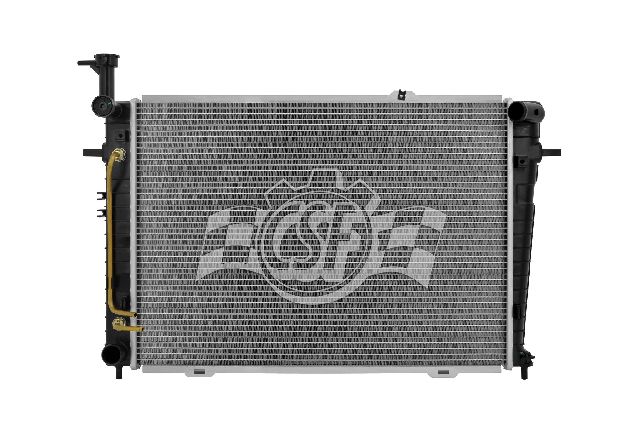
- Economy Brands (Lowest Price): APDI, Global Parts, Onix, One Stop Solutions, CSF Radiator. These brands meet the basic need to replace a failed radiator at the lowest cost. While they can be a good budget option, their long-term durability may not match that of the premium or standard tiers.
Pro Tip: When you replace your radiator, it's also the perfect time to replace the upper and lower radiator hoses, the thermostat, and the radiator cap. These parts are inexpensive and wear out over time. Replacing them all at once can save you from another cooling system repair down the road.
Cost of Replacing a 2005-2010 Tucson Radiator

The total cost will depend on the parts you choose and whether you do the work yourself. The job is possible for a DIYer with basic tools and can take 2-3 hours.
🎬 See this step-by-step 2005 Tucson radiator replacement walkthrough| Part or Service | Estimated Cost |
|---|---|
| New Aftermarket Radiator | $42 - $258 |
| New OEM Radiator | $250 - $450 |
| Shop Labor | $200 - $350 |
| Total Professional Replacement | $242 - $608 |
Frequently Asked Questions (FAQ)

Do I need a special type of coolant for my Tucson?
Yes. You should use a green-colored, phosphate-based ethylene glycol coolant designed for Asian vehicles. Using the wrong type of coolant can lead to corrosion and damage to your cooling system. Always check your owner's manual or the coolant bottle to ensure compatibility.
Is it hard to replace the radiator myself?
For a 2005-2010 Tucson, the replacement is straightforward. It does not require many specialized tools. The main steps involve draining the system, removing the fan assembly, 🎬 Watch: How to remove the radiator and fan assembly disconnecting the A/C condenser (without disconnecting the A/C lines), and swapping the radiator. There are many video guides available online that walk through the process.
Should I get a radiator with a single row or double row core?
For a stock Hyundai Tucson, a direct-fit single-row radiator from a quality brand is perfectly adequate. High-performance multi-row radiators are generally not necessary unless you are doing heavy towing or have made significant engine modifications.
My Tucson has an automatic transmission. Does that matter?
Yes. Radiators for automatic transmission vehicles have an integrated cooler for the transmission fluid. Make sure you order the correct radiator for your vehicle's transmission type. The transmission cooler lines will need to be disconnected from the old radiator and reconnected to the new one.
Helpful Videos
Technical Specifications
OEM Part Numbers: 25310-2E500 25310-2E550 25310-2E800
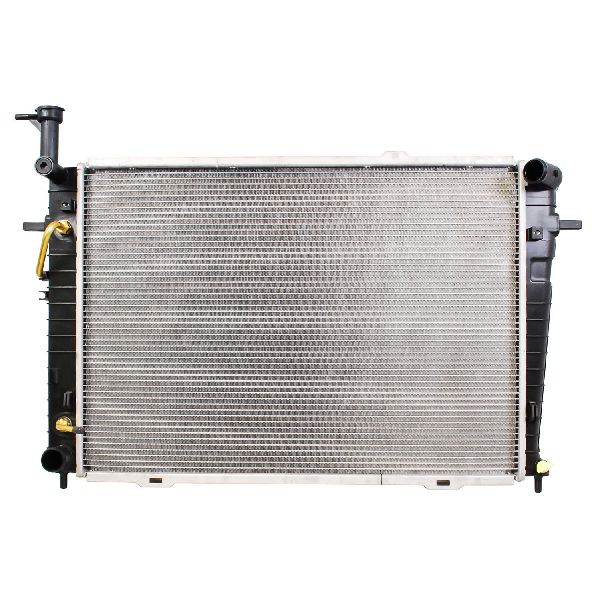
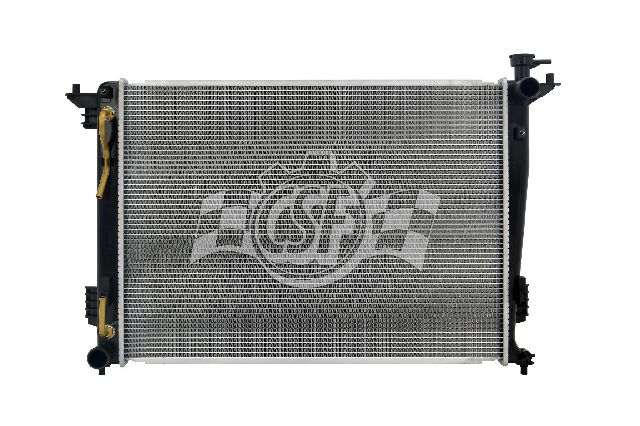
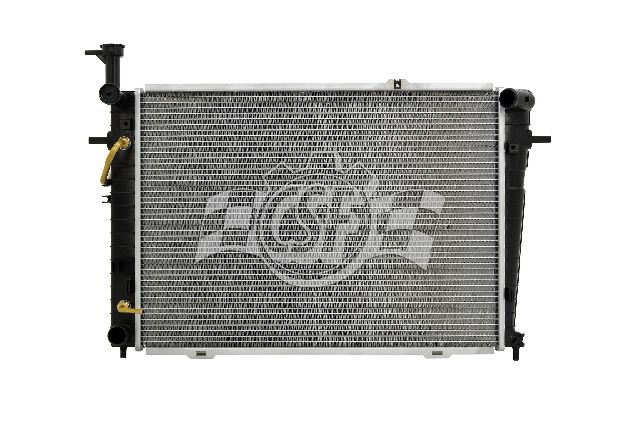
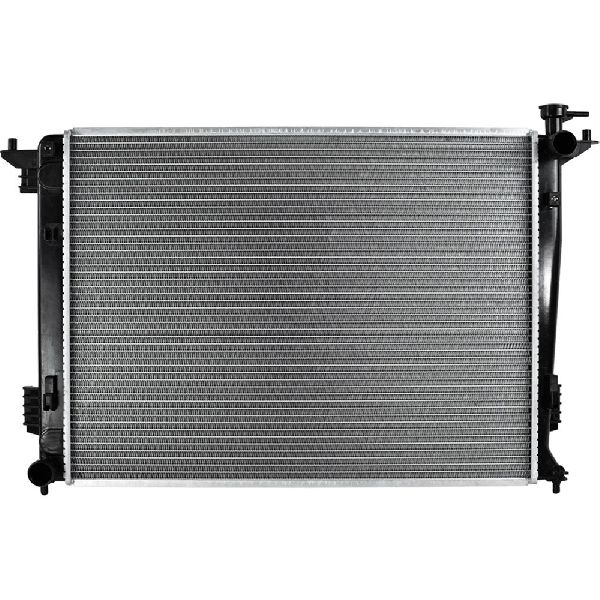
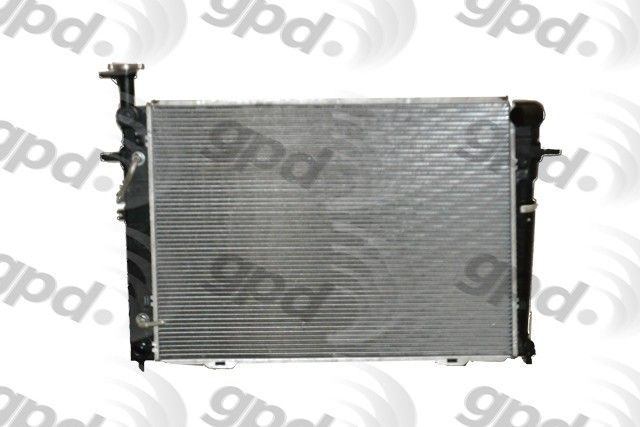
The correct radiator will vary based on your engine (2.0L I4 or 2.7L V6) and transmission type (Manual or Automatic). Radiators for automatic models include an integrated transmission fluid cooler. Most are constructed with an aluminum core and plastic tanks.
We Have This Part in Stock

The information in this article is provided for general reference and educational purposes only. Vehicle specifications, procedures, and part compatibility can vary by production date, trim level, and region. Always consult your vehicle's factory service manual and verify part numbers before purchasing or performing repairs. Safety-critical components such as airbags, seat belts, and braking systems should be installed by a qualified professional.
- Hyundai Tucson: