

A Guide to Oxygen Sensors for the 2005-2010 Mazda B4000
Fix your truck's poor fuel economy and check engine light by choosing the right replacement oxygen sensor.
- Your 2005-2010 B4000 has four oxygen sensors; use the OBD-II code to identify the specific one that failed before buying.
- For OEM-level performance and reliability, choose aftermarket brands like Bosch, Denso, or NGK/NTK.
- A bad oxygen sensor can cause poor fuel economy, rough idling, and will lead to a failed emissions test.
- While you can drive with a bad O2 sensor, it's not recommended as it can damage your expensive catalytic converters over time.
Is Your B4000's Oxygen Sensor Failing?
A bad oxygen sensor can cause noticeable problems. Because the sensor's input is vital for controlling the fuel mixture, a failure often triggers the Check Engine Light. You might also notice your truck is getting worse gas mileage, the engine idles roughly, or you smell a 'rotten egg' odor from the exhaust. These symptoms happen because the engine's computer is guessing the air/fuel ratio, often running too rich (too much fuel) to be safe. Ignoring a bad sensor can lead to a much more expensive catalytic converter failure down the road.
Upstream vs. Downstream: Ordering the Right Part
A common mistake is ordering the wrong sensor. Your 2005-2010 Mazda B4000 with the 4.0L V6 engine has four oxygen sensors in total:
- Two Upstream Sensors (Sensor 1): One for each bank of cylinders, located in the exhaust manifold before the catalytic converters. These are the primary sensors that control your engine's air-fuel ratio.
- Two Downstream Sensors (Sensor 2): One for each side, located after the catalytic converters. Their job is to monitor the efficiency of the converters.
It's also important to know which 'bank' is which. On the 4.0L V6, Bank 1 is the passenger side of the engine, and Bank 2 is the driver's side. Always confirm the specific code (e.g., P0153) to identify which sensor needs replacement.
Don't Gamble on Low-Quality Sensors
While budget-friendly sensors are available, they can be a gamble. Cheaper, lesser-known brands may have a shorter lifespan or provide less accurate readings, leading to recurring Check Engine Lights and performance issues. For a critical part like an O2 sensor, sticking with a reputable aftermarket brand offers the best balance of quality and value.
Choosing the Right Aftermarket Oxygen Sensor Brand
When it comes to aftermarket parts, not all brands are created equal. For the Mazda B4000 (which shares its platform with the Ford Ranger), some brands are known for their reliability and compatibility.
- Top-Tier (OEM Quality): Brands like Bosch, Denso, and NGK (NTK) are highly regarded. Many mechanics and forum users report that Bosch was the original equipment manufacturer for many Ford/Mazda truck sensors, meaning a Bosch part is often identical to the original. These brands engineer their sensors to meet or exceed OEM specifications.
- Mid-Tier (Reliable Alternatives): Brands like Delphi, Spectra, and Walker Products offer a solid combination of performance and price. They are generally considered dependable for daily driving and are a good step up from generic store brands.
- Budget-Tier: Brands like DriveWire are more budget-focused. While they can be a solution for a tight budget, their long-term reliability can be inconsistent compared to top-tier brands.
Cost of Replacing a Mazda B4000 Oxygen Sensor
| Item | Estimated Cost |
|---|---|
| New Aftermarket Oxygen Sensor | $34.81 - $82.76 |
| Shop Labor Cost | $85 - $125 per sensor |
| Total Professional Replacement | $163 - $243 per sensor |
You can save on labor costs by replacing the sensor yourself. It's a feasible DIY job for many, but the sensors can be seized in the exhaust pipe. Soaking the threads with a penetrating oil like PB Blaster before attempting removal is highly recommended.
Frequently Asked Questions (FAQ)
How many oxygen sensors does my 2005-2010 B4000 have?
Your truck has four oxygen sensors: two upstream (before the catalytic converters) and two downstream (after the catalytic converters).
What tools do I need to replace an oxygen sensor?
You will typically need a special oxygen sensor socket, which has a slit on the side for the wire to pass through. You'll also need a ratchet and potentially an extension. Applying anti-seize compound to the threads of the new sensor is also a crucial step.
What do the codes P0171 and P0174 mean?
These are common codes on the B4000/Ranger 4.0L engine, indicating a lean air-to-fuel ratio on Bank 1 (P0171) and Bank 2 (P0174). While this can be caused by a bad oxygen sensor, it's often caused by a vacuum leak (like a bad intake manifold gasket or PCV hose) or a dirty Mass Air Flow (MAF) sensor. It's important to diagnose the root cause before replacing parts.
Do I need to replace all four sensors at once?
No, you do not have to replace them all at once. However, it is often recommended. Oxygen sensors degrade over time, and if one has failed, others may not be far behind. Replacing them in pairs (both upstream or both downstream) can ensure balanced performance.
Are there any recalls for the oxygen sensors on my truck?
A search of the National Highway Traffic Safety Administration (NHTSA) database shows no specific recalls for oxygen sensors on the 2005-2010 Mazda B4000. However, there are important recalls for Takata airbags that affect these models, which should be addressed immediately.
Technical Specifications
OEM Part Numbers: F88Z9F472EA
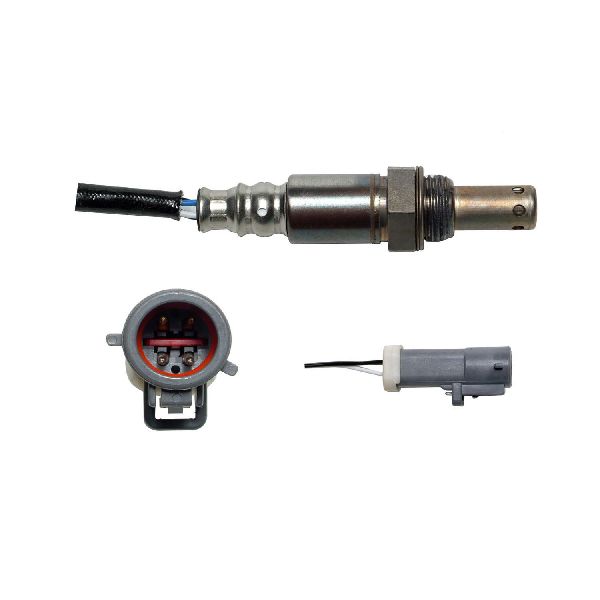
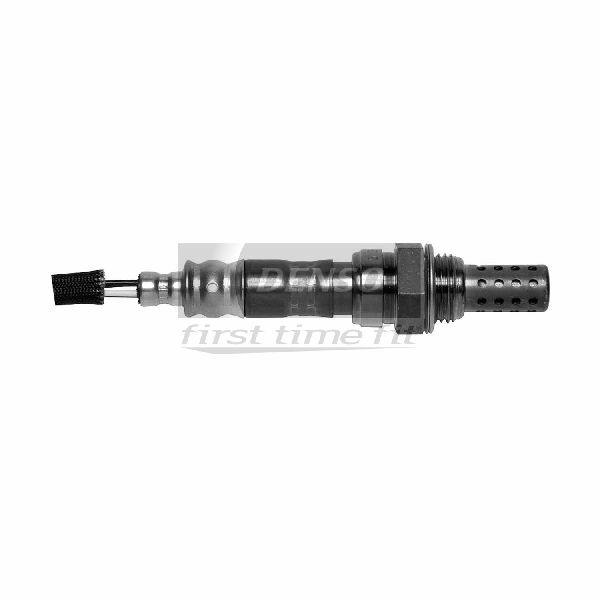
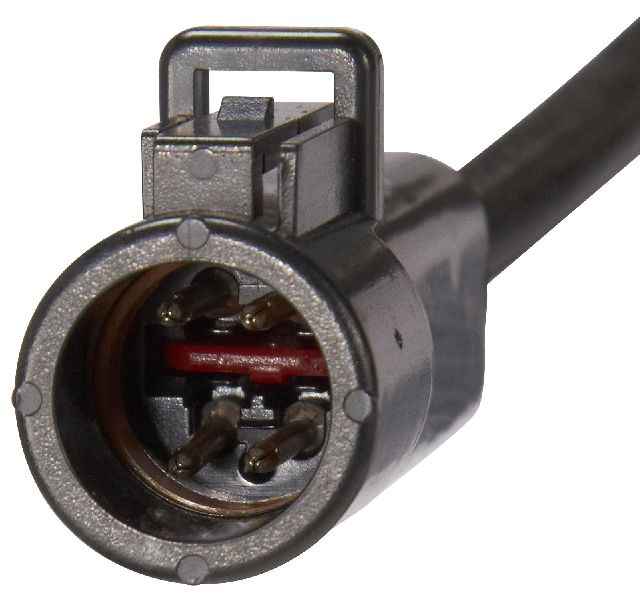
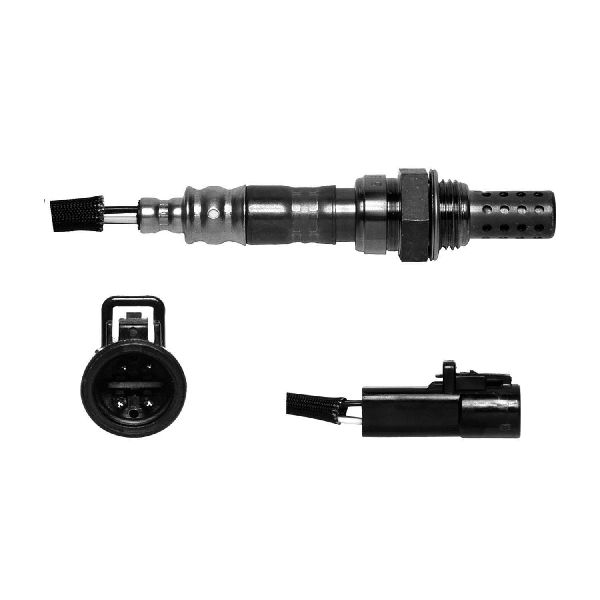
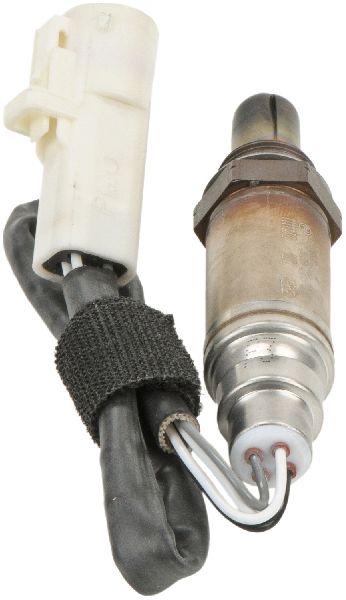
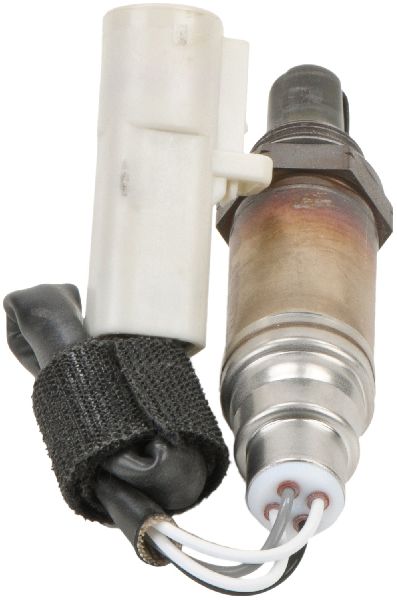
The 2005-2010 Mazda B4000 uses four-wire heated oxygen sensors. The physical length of the wire harness varies between upstream and downstream sensors, so it is critical to order the correct part for the specific location. Upstream and downstream sensors are not interchangeable.
We Have This Part in Stock

The information in this article is provided for general reference and educational purposes only. Vehicle specifications, procedures, and part compatibility can vary by production date, trim level, and region. Always consult your vehicle's factory service manual and verify part numbers before purchasing or performing repairs. Safety-critical components such as airbags, seat belts, and braking systems should be installed by a qualified professional.
- Mazda B4000: