

Suspension Stabilizer Bar Link Kit Guide for 2005-2011 Mercury Mariner
Eliminate front-end clunks and restore handling by choosing the right stabilizer links for your Mariner.
- The most common symptom of failure is a clunking noise from the front end over bumps.
- Replacing links in pairs is highly recommended for balanced handling and to avoid a repeat repair.
- Aftermarket brands like Mevotech or Moog often offer heavy-duty, greasable options that can be more durable than OEM parts.
- This is a straightforward DIY repair that does not require a wheel alignment afterward.
Is Your Mariner Making a Clunking Noise?
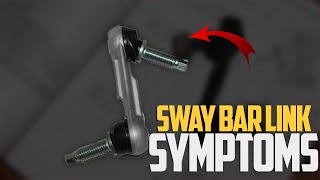
The most common sign of a failing stabilizer bar link on a 2005-2011 Mercury Mariner is a distinct clunking, rattling, or knocking sound from the front suspension. This noise is especially noticeable when driving at lower speeds over bumps, potholes, or uneven road surfaces. You might also notice the sound when turning into a driveway. Some owners describe it as a metallic banging sound coming from under the car. 🎬 Watch this video to hear common bad sway bar symptoms. Another symptom is a decrease in handling performance, where the Mariner feels like it leans or 'wallows' more than usual in corners. While you can still drive the vehicle, a completely broken link can make handling feel unstable, especially during sudden maneuvers.
Known Issues & Recalls
While there are no specific recalls from the National Highway Traffic Safety Administration (NHTSA) for the stabilizer bar links on the 2005-2011 Mercury Mariner, there was a major recall (NHTSA Campaign Number: 14V284000) for a power steering torque sensor issue affecting 2008-2011 models. This is unrelated to the stabilizer links but is an important safety check for owners. Some Mariner and Ford Escape owners report that original equipment (OEM) stabilizer links can wear out prematurely, sometimes requiring replacement multiple times. This makes choosing a quality aftermarket part crucial.
Choosing the Right Aftermarket Stabilizer Link
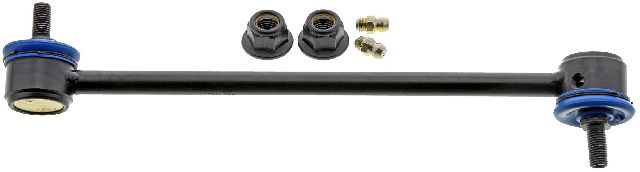
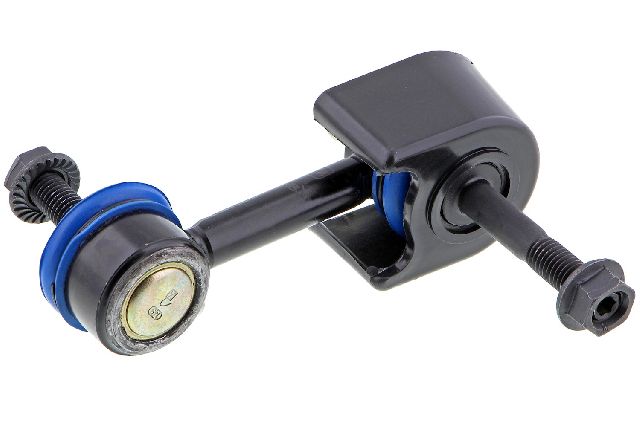
When replacing your stabilizer links, you have several aftermarket options that can offer better durability than the original parts. Many aftermarket links feature heavier-duty construction and greaseable fittings (zerk fittings), which allow you to lubricate the joint periodically to extend its life—a feature often missing on standard OEM parts. Here’s a breakdown of available brands:
- Economy/Standard Replacement (Delphi, Dorman): These brands offer a direct replacement for the original parts. Delphi is often considered a good quality, OE-equivalent part that provides reliable performance for daily driving. Dorman is another common choice, offering a balance of affordability and function. These are solid choices if you're looking for a straightforward, budget-friendly fix.
- Heavy-Duty / Premium (Mevotech, some Moog lines): Brands like Mevotech (specifically their Supreme or TTX lines) and Moog are known for offering upgraded designs. These often feature larger, more robust ball joints, greaseable fittings, and sometimes all-metal construction, making them a popular choice for owners who live on rough roads or want a longer-lasting part.
- Performance (Whiteline): Whiteline is a brand known for performance suspension components. Their stabilizer links are engineered for high-stress situations and are often adjustable, making them ideal for drivers with upgraded sway bars or who want to fine-tune their Mariner's handling. For a standard daily-driven vehicle, these might be overkill, but they represent the highest tier of durability.
Pro Tip: Always replace stabilizer links in pairs (both left and right sides). If one has failed, the other is likely not far behind. Replacing both at the same time ensures balanced handling and prevents you from having to do the same job twice.
Cost to Replace Stabilizer Bar Links on a 2005-2011 Mercury Mariner
| Part Type | Estimated Cost |
|---|---|
| New Aftermarket Kit (Pair) | $33.48 - $145.50 |
| New OEM (Motorcraft) Kit (Pair) | $70 - $110 |
| Shop Labor | $100 - $150 |
| Total Professional Replacement (Aftermarket) | $135 - $300 |
Frequently Asked Questions
Is it difficult to replace the stabilizer links myself?
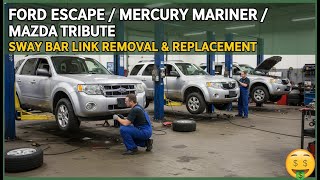
No, this is a very DIY-friendly job for someone with basic tools. The replacement involves removing two nuts, swapping the old link for the new one, and tightening the new nuts. The most common difficulty is dealing with rusty bolts, which may require penetrating oil or even cutting the old link off with an angle grinder. 🎬 See a step-by-step guide on replacing your Mariner's end links. The job typically takes about 1 to 1.5 hours for both sides.
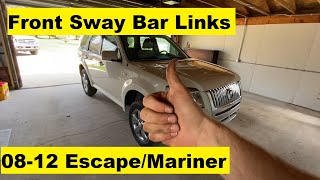
🎬 Follow this quick DIY guide for a faster repair process.Do I need a wheel alignment after replacing the stabilizer links?
No, a wheel alignment is not necessary after replacing only the stabilizer bar links. These parts do not affect the vehicle's primary alignment angles (camber, caster, or toe).
What's the difference between greasable and non-greasable links?
Greasable links have a small port (a zerk fitting) that allows you to add new grease with a grease gun. This can flush out contaminants and extend the life of the joint. Non-greasable links are sealed from the factory and require no maintenance, but they cannot be re-lubricated once the internal grease breaks down.
Are the front and rear stabilizer links the same?
No, the front and rear links are different parts and have different part numbers. This guide focuses on the front links, which are the most common source of failure and noise on the Mariner. Always ensure you are ordering the correct part for the front or rear of your vehicle.
Helpful Videos


Technical Specifications
OEM Part Numbers: 7L8Z-5K483-A 7L8Z-5K483-B MEF-200 8L8Z-5482-A 8L8Z-5482-B
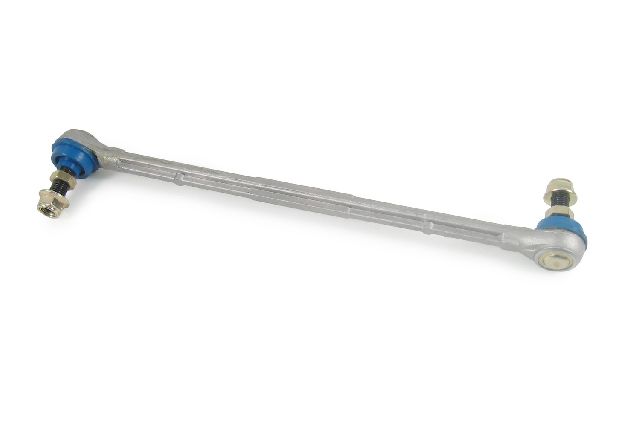
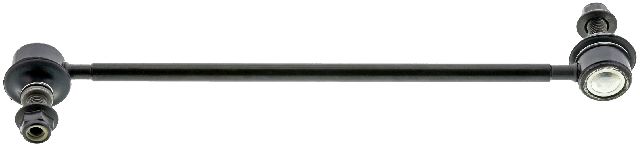
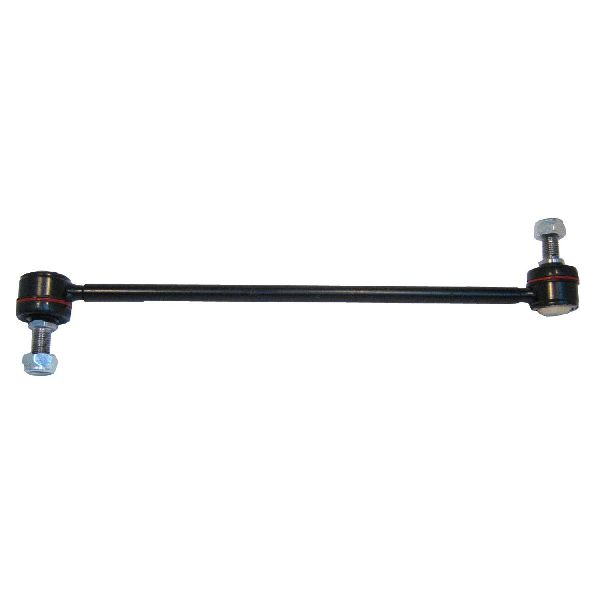
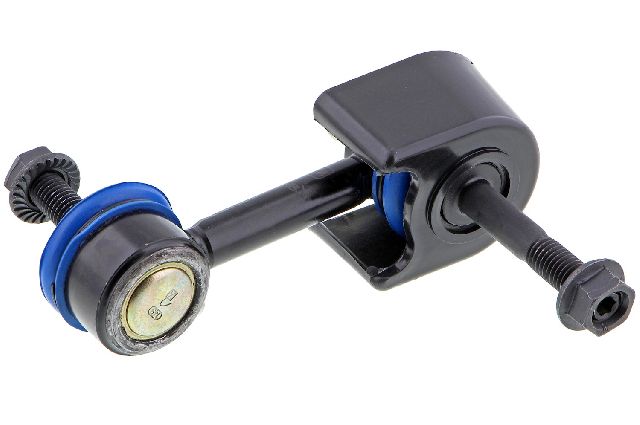
The kit connects the stabilizer bar to the front strut or control arm. Aftermarket options may include greaseable zerk fittings and heavier-duty ball joints. The replacement process typically requires 14mm, 15mm, and 17mm wrenches or sockets, and sometimes a hex key (e.g., 5mm) to prevent the stud from spinning.
We Have This Part in Stock

The information in this article is provided for general reference and educational purposes only. Vehicle specifications, procedures, and part compatibility can vary by production date, trim level, and region. Always consult your vehicle's factory service manual and verify part numbers before purchasing or performing repairs. Safety-critical components such as airbags, seat belts, and braking systems should be installed by a qualified professional.
- Mercury Mariner: