

Ford F-150 Transmission Range Sensor Guide for 2005-2014 Models
If your F-150 won't start but the battery is good, the transmission range sensor is a likely culprit.
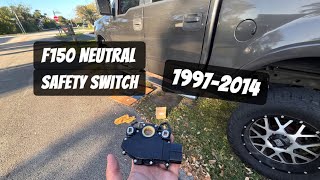
- This part is most commonly called the Transmission Range Sensor (TRS) for the F-150.
- The most common symptom of failure is a 'no-crank' start, where all electronics work but the engine won't turn over.
- Verify if your truck has an external sensor (on the side of the trans) or an internal one (inside the pan) before buying; this is the most common mistake.
- Proper alignment of the new sensor is critical; if not aligned, the truck will not start.
Is It a Neutral Safety Switch or a Transmission Range Sensor?

For your F-150, these terms are often used for the same part. Mechanics and parts suppliers usually call it the Transmission Range Sensor (TRS). This sensor combines the neutral safety switch function, gear position information, and the reverse light switch into one component. Understanding this helps you search for the right part and diagnose the problem correctly.
Top 5 Failure Symptoms in the F-150

A failing TRS will usually give you clear warning signs. Here’s what to look for:
- No Crank, No Start: This is the most common issue. You turn the key, the dashboard lights up, but the engine doesn't crank at all.
- Starts in Neutral, Not Park: You might find the truck won't start in Park, but if you shift to Neutral, it starts right up. This points directly to a bad or misaligned sensor.
- Blank Gear Indicator: The PRNDL display on your instrument cluster might disappear or show the wrong gear.
- No Reverse Lights: If your backup lights stop working, and you're also having starting issues, the TRS is a likely cause.
- Check Engine Light: A failing sensor will often trigger a check engine light with code P0705. 🎬 Watch a diagnostic video on fixing these specific trouble codes.
Important: External vs. Internal Sensor
Before buying, you must know which sensor your truck has. It depends on the transmission.
- 2005-2010 (approx.): Most trucks in this range have an external TRS. It's a black plastic switch bolted to the driver's side of the transmission case where the shift linkage connects. This part is relatively easy to access and replace.
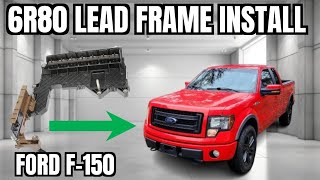
- 2011-2014 (approx. with 6R80 transmission): These models have an internal TRS. It is part of a component called a "lead frame" located inside the transmission oil pan. Replacing this is a much more involved job that requires draining the transmission fluid and removing the valve body. 🎬 See how to replace the internal lead frame yourself.
This guide focuses on the more common and DIY-friendly external sensor. Double-check your truck's specific configuration before ordering a part.
Choosing Your Aftermarket Replacement

When replacing the TRS, you have a few options. Since this part is critical for starting and proper transmission function, choosing a quality replacement is important.
- Standard Ignition: Standard Motor Products (SMP) is a well-known aftermarket manufacturer that supplies parts to professional technicians. Their parts are generally considered to be reliable, meeting or exceeding OEM specifications. This is a solid choice for durability and proper fit.
- Replacement Brand: This is a value-oriented option. It's designed to provide a functional replacement at a lower cost. For a critical part like a TRS, consider this a standard-grade replacement that should restore function to your vehicle.
For this specific part, an OEM Motorcraft switch is also an option, but it will come at a higher price. Both Standard Ignition and Replacement brands offer a cost-effective alternative.
| Part Type | Estimated Cost |
|---|---|
| New Aftermarket (Value) | $53 - $60 |
| New Aftermarket (Standard Ignition) | $60 - $70 |
| New OEM (Motorcraft) | $90 - $150 |
| Shop Labor | $100 - $200 |
Recalls and Technical Service Bulletins (TSBs)

While there are several transmission-related recalls for newer F-150s, there are no major, widespread recalls for the external Transmission Range Sensor on the 2005-2014 models. However, for some 2011-2013 models with the 6R80 transmission, Ford did issue an extended warranty coverage for the internal lead frame (which contains the TRS) due to issues with sudden downshifting. Problems with the external TRS are well-documented in owner forums but were never subject to a formal recall.
Pro Tip: Check Alignment and Linkage First
Sometimes, the starting problem isn't a bad sensor but a loose or misaligned shift linkage. If your shifter feels sloppy, it might not be moving the sensor into the correct position. Also, the external TRS can be adjusted. If it was replaced previously and not aligned correctly, it can cause the same no-start symptoms. The sensor has alignment marks that must line up perfectly when the transmission is in Neutral.
Frequently Asked Questions (FAQ)
Can I replace the F-150 Transmission Range Sensor myself?
If your truck has the external sensor, yes, this is a very DIY-friendly job. 🎬 Watch this step-by-step external sensor replacement walkthrough. It requires basic hand tools, and the main challenges are typically rust on the retaining nut and correctly aligning the new sensor. If your truck has the internal lead frame sensor, the job is much more complex and may be best left to a professional.
How do I align the new Transmission Range Sensor?
The new sensor will have marks on its body. The process involves putting the transmission manually into the Neutral position, placing the new sensor on the selector shaft, and rotating the sensor until the alignment marks line up before tightening the bolts. Failure to do this will cause the truck to not start in Park or Neutral.
Will a bad TRS cause my transmission to shift hard?
It can. Because the TRS tells the computer what gear you're in, a faulty signal can confuse the transmission controller, leading to erratic shifting, hesitation, or even going into a "limp mode."
My truck still won't start after replacing the sensor. What now?
First, double-check the alignment of the new sensor. Ensure the electrical connector is plugged in securely. If the alignment is perfect, the issue may lie elsewhere, such as the starter relay, ignition switch, or wiring. A loose shifter linkage can also prevent the sensor from engaging properly.
Helpful Videos

Technical Specifications
For most 2005-2010 models, this is an external switch mounted on the driver's side of the transmission. For many 2011-2014 models with the 6R80 transmission, the sensor is internal to the transmission as part of the lead frame assembly.
We Have This Part in Stock


The information in this article is provided for general reference and educational purposes only. Vehicle specifications, procedures, and part compatibility can vary by production date, trim level, and region. Always consult your vehicle's factory service manual and verify part numbers before purchasing or performing repairs. Safety-critical components such as airbags, seat belts, and braking systems should be installed by a qualified professional.
- Ford F-150:
- 🎬 Helpful Videos
- 🛍️ Shop This Part
- Is It a Neutral Safety Switch or a Transmission Range Sensor?
- Top 5 Failure Symptoms in the F-150
- Important: External vs. Internal Sensor
- Choosing Your Aftermarket Replacement
- Recalls and Technical Service Bulletins (TSBs)
- Pro Tip: Check Alignment and Linkage First
- Frequently Asked Questions (FAQ)
- 🎟️ Get 5% Off