

A Scion tC Owner's Guide to Replacing the 2005-2016 Engine Oil Pan Gasket
Leaking oil? Here’s what you need to know about sealing your tC’s oil pan for good.
- Your Scion tC uses sealant (FIPG) from the factory, not a solid gasket. Using a high-quality RTV sealant is the most reliable repair.
- Thoroughly clean both the engine block and oil pan surfaces before applying new sealant. Any old material left behind will cause a new leak.
- Confirm the leak is from the oil pan. Oil from a valve cover or timing cover leak can drip down and mislead you.
- For 2007-2010 models, be aware of the separate oil *burning* issue covered by a warranty enhancement program, which is different from an oil pan leak.
Is Your Scion tC Leaking Oil? It Might Be the Oil Pan Gasket.
An oil leak is one of the most common issues for any vehicle, and the Scion tC is no exception. While the engines in these cars are generally reliable, seals can and do wear out over time. The oil pan gasket, or in the tC's case, the FIPG sealant, is located at the very bottom of the engine and is a frequent source of leaks. Identifying and fixing this leak is key to protecting your engine from damage caused by low oil levels.
Symptoms of a Failing Oil Pan Gasket
A bad oil pan seal will make itself known in a few ways. Keep an eye out for these common signs:
- Oil Stains Under Your Car: Small drips or larger puddles of dark brown or black oil on your driveway are the most obvious symptom.
- Burning Oil Smell: If leaking oil drips onto the hot exhaust pipe, it will burn off, creating a sharp, unpleasant smell while you're driving or stopped.
- Visible Smoke: In cases of a heavier leak, you might see smoke coming from under the hood as oil burns on the engine or exhaust.
- Low Oil Light: If the leak is severe enough to cause a significant drop in your oil level, the low oil pressure warning light may illuminate on your dashboard. If you see this, pull over safely and turn off the engine immediately.
Oil can leak from other places higher up on the engine, like the valve cover gasket or timing chain cover, and drip down, making it look like an oil pan leak. Before buying parts, it's wise to clean the engine and confirm the oil is coming from the seam where the oil pan meets the engine block.
Choosing the Right Aftermarket Gasket for Your tC
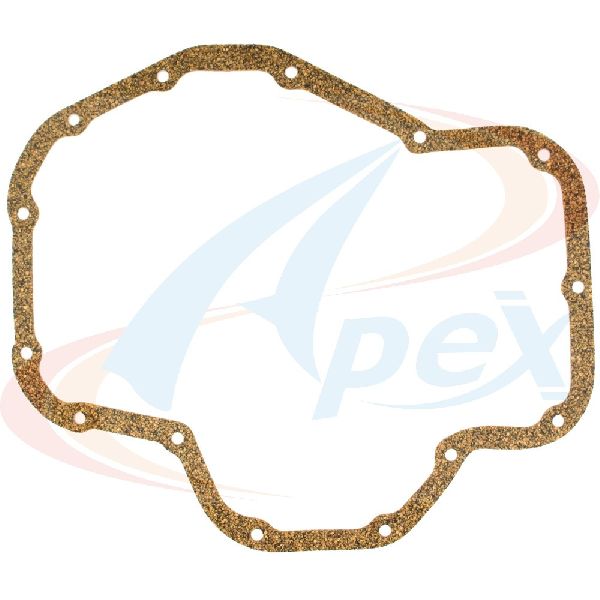
Since the Scion tC originally uses a Form-in-Place Gasket (FIPG) sealant, you have two choices for an aftermarket replacement: a new tube of sealant or a pre-formed gasket. The choice you make can impact the quality and longevity of your repair.
Aftermarket Brand Tiers
- Tier 1: High-Quality RTV Sealant (Recommended): Your best bet is to replicate the factory method. Using a high-quality, oil-resistant RTV (Room Temperature Vulcanizing) sealant like Toyota's own FIPG, Permatex The Right Stuff, or Hondabond/Yamabond is the most reliable repair method. These products are designed specifically for this application. 🎬 Watch a mechanic compare aftermarket gaskets versus using Toyota FIPG.
- Tier 2: Name-Brand Pre-Formed Gaskets (Use with Caution): Brands like Fel-Pro and Victor Reinz offer pre-formed gaskets for the tC. While these brands are generally well-respected, pre-formed gaskets can be tricky on surfaces designed for sealant. Some owners have reported issues with cheap, thin aftermarket gaskets failing quickly. If you choose a pre-formed gasket, ensure it is from a reputable brand.
- Tier 3: Economy Gaskets & Sealants (Avoid): Avoid generic, unbranded sealants or very cheap "paper" or "cardboard" gaskets. These are likely to fail, forcing you to do the job all over again. The small amount of money saved is not worth the risk of a continued leak.
Cost to Replace a Scion tC Oil Pan Gasket
The cost can vary significantly depending on whether you do the job yourself or take it to a repair shop.
| Part/Service | Estimated Cost | Notes |
|---|---|---|
| New Aftermarket Gasket/Sealant | $18 - $35 | This is the price for a quality tube of RTV sealant or a pre-formed gasket from a brand like Fel-Pro or Victor Reinz. |
| Shop Labor | $300 - $500+ | Labor makes up the bulk of the cost. One estimate puts the total job cost starting at over $500. The job is easier on 2011-2016 models, which may reduce labor time. |
| DIY Total Cost | $25 - $50 | Includes sealant and a new filter/oil. |
| Shop Total Cost | $320 - $550+ | Includes parts, labor, and fresh oil. |
Frequently Asked Questions (FAQ)
Does my Scion tC have a real gasket or just sealant?
From the factory, all 2005-2016 Scion tC models use a Form-in-Place Gasket (FIPG), which is a type of RTV sealant, not a separate, solid gasket. Aftermarket companies sell both sealant and pre-formed gaskets for the repair.
Is this a difficult job to do myself?
For a DIY mechanic with some experience, this is a manageable job. The 2011-2016 models are particularly straightforward as there is no exhaust or subframe blocking 🎬 See how easily the oil pan is removed on 2011-2016 models. the oil pan. The most critical steps are thoroughly cleaning the mating surfaces of all old sealant and tightening the bolts to the correct torque in the proper sequence to ensure an even seal.
Are there any recalls for this issue?
No, there have been no recalls issued by the NHTSA for a leaking engine oil pan gasket on the 2005-2016 Scion tC. There was a warranty enhancement program for excessive oil *burning* on 2007-2010 models, but this is a separate internal engine issue.
Should I use a pre-formed gasket or just sealant?
Using a high-quality, oil-resistant RTV sealant is the recommended and most reliable method, as it mimics the factory seal. While some high-quality pre-formed gaskets may work, they are not the original design and can be more prone to failure if not installed perfectly on a surface designed for sealant.
Helpful Videos
Technical Specifications
The original factory seal is Form-in-Place Gasket (FIPG), a type of RTV sealant. No solid OEM engine oil pan gasket exists for this vehicle. Aftermarket options include replacement sealant or pre-formed gaskets made of fiber or paper.
We Have This Part in Stock


The information in this article is provided for general reference and educational purposes only. Vehicle specifications, procedures, and part compatibility can vary by production date, trim level, and region. Always consult your vehicle's factory service manual and verify part numbers before purchasing or performing repairs. Safety-critical components such as airbags, seat belts, and braking systems should be installed by a qualified professional.
- Scion tC: