

A Guide to Replacing Disc Brake Pads on Your 2005-2018 Hino 338
Ensure your medium-duty truck has the stopping power it needs by choosing the right disc brake pad set.
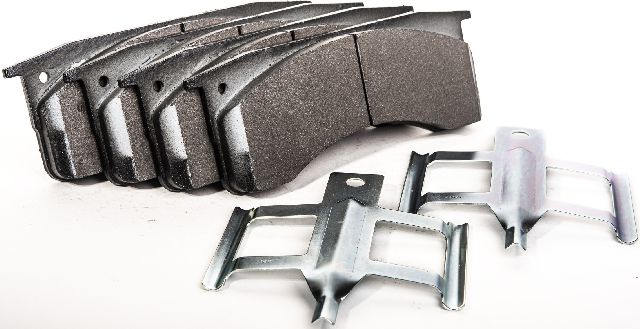
- For a Hino 338, choose heavy-duty semi-metallic aftermarket pads like Mevotech TTX for durability under load.
- Listen for squealing as an early warning, but stop driving immediately if you hear grinding to prevent costly rotor damage.
- No specific recalls for disc brake pads were found for this model year range, but always inspect all brake hardware during replacement.
- Always replace rotors or have them resurfaced when installing new pads to ensure proper performance and pad life.
Symptoms of Worn Brake Pads
Your Hino 338 will give you clear signs when it's time for new brake pads. Ignoring these warnings can lead to more expensive repairs and unsafe driving conditions. Be aware of the following symptoms:
- Squealing or Screeching Noises: This is often the first sign. A small metal tab, called a wear indicator, contacts the brake rotor, creating a high-pitched noise to alert you that the pads are thin.
- Grinding Sounds: If you hear a deep, metallic grinding, stop driving as soon as it is safe to do so. This means the brake pads have worn away completely, and the metal backing plate is grinding against the rotor. This can cause severe damage to the rotors and calipers.
- Longer Stopping Distances: If your truck takes more distance to stop than it used to, the pads may be too worn to create the necessary friction.
- Vibration or Pulsing in the Pedal: A vibrating or pulsing sensation in the brake pedal during braking can indicate worn pads or, more commonly, warped brake rotors. New pads on warped rotors will wear out quickly.
- Clunking Noises: While less common for pads themselves, other brake hardware can fail. Some owners have reported clunking sounds that were traced back to issues like cracked brake shoes or worn pins in the brake assembly. This highlights the need to inspect the entire brake system during a pad replacement.
Known Issues, Recalls, and TSBs
During research, no specific recalls or technical service bulletins (TSBs) from the National Highway Traffic Safety Administration (NHTSA) were found for the disc brake pads on the 2005-2018 Hino 338. One recall (NHTSA 19V-044) for pulling during braking in wet conditions applied to Hino models with drum brakes, not hydraulic disc brakes. Always verify with a dealer or the NHTSA website using your truck's VIN for the most current information.
Choosing the Right Aftermarket Brake Pads
For a commercial truck like the Hino 338, not all brake pads are created equal. While OEM pads are a reliable choice designed to match the truck's original performance, high-quality aftermarket pads can offer superior performance for specific needs, often at a better price.
Aftermarket Brand Tiers
| Tier | Brand(s) | Best For |
|---|---|---|
| Good: Heavy-Duty Replacement | Mevotech (TTX Line) | Owners looking for a durable, severe-duty pad designed for towing and heavy payloads. The Mevotech TTX line is specifically engineered for commercial use where stopping power is more important than low noise. These pads are typically semi-metallic and come with all necessary installation hardware. |
| Better: High-Performance | Performance Friction | Drivers who operate under extreme conditions and prioritize resistance to brake fade at high temperatures. Performance Friction pads are known for their long life and performance under heat but can have drawbacks for some users. Some reviews for street use note that they require heat to achieve maximum grip, which may not be ideal for short trips or light use. |
Cost of Replacing Hino 338 Disc Brake Pads
The total cost depends on the parts you choose and labor rates in your area. The job is often more than just swapping pads; it may include new hardware and rotor servicing.
| Item | Estimated Cost |
|---|---|
| New Aftermarket Disc Brake Pad Set (Front) | $153.74 - $252.00 |
| New OEM Disc Brake Pad Set (Front) | $250 - $400+ |
| Shop Labor | $200 - $400 |
Pro Tip: Always replace brake pads in pairs (both front wheels or both rear wheels) to ensure even braking. It is also highly recommended to replace the brake hardware and either resurface or replace the brake rotors at the same time for optimal performance and safety.
Frequently Asked Questions (FAQ)
How often should I replace my Hino 338 brake pads?
There is no set mileage interval. Replacement frequency depends entirely on your truck's usage. A Hino used for stop-and-go city deliveries will wear out pads much faster than one used for long-haul highway routes. Regular visual inspection is the only sure way to know when it's time for a change.
Are ceramic or semi-metallic pads better for my Hino 338?
For a heavy-duty truck like the Hino 338, semi-metallic pads are generally the better choice. They are designed to handle high heat and provide the aggressive stopping power needed for heavy loads. While ceramic pads are quieter and produce less dust, they may not offer the same level of performance under severe-duty conditions.
Can I replace just the pads and not the rotors?
You can, but it's not always a good idea. You must inspect the brake rotors for thickness, warping, and heavy grooving. Putting new pads on worn or damaged rotors will severely reduce your stopping power and cause the new pads to wear out very quickly.
Is replacing Hino 338 brake pads a DIY job?
If you are an experienced mechanic with the proper tools, including heavy-duty jacks and jack stands, it is a feasible DIY job. However, because brakes are a safety-critical system on a large commercial vehicle, we recommend having the work performed by a qualified professional if you have any doubts.
Technical Specifications
Fits 2005-2018 Hino 338 models equipped with hydraulic disc brakes. Pad material is typically semi-metallic for heavy-duty applications.
We Have This Part in Stock


The information in this article is provided for general reference and educational purposes only. Vehicle specifications, procedures, and part compatibility can vary by production date, trim level, and region. Always consult your vehicle's factory service manual and verify part numbers before purchasing or performing repairs. Safety-critical components such as airbags, seat belts, and braking systems should be installed by a qualified professional.
- Hino 338: