

Chrysler 300 Engine Oil Temperature Sensor (2005-2019): A Comprehensive Guide
Understanding the signs of a failing engine oil temperature sensor can save you from bigger headaches down the road.
- A faulty sensor can cause a Check Engine Light, poor performance, and bad fuel economy.
- For 3.6L engines, the sensor is difficult to access, requiring removal of the intake manifold.
- Before replacing the sensor, inspect the wiring and connector for damage, as this is a common point of failure.
- Reputable aftermarket brands like Standard Ignition and Walker Products offer a reliable, cost-effective alternative to OEM parts.
Is Your Chrysler 300's Oil Temperature Sensor Failing?
A bad engine oil temperature sensor can cause a range of problems, some obvious and some subtle. If the sensor sends incorrect information to your car's computer, it can affect engine performance and fuel economy. In some cases, a faulty sensor can even lead to engine overheating if not addressed.
Common Symptoms of a Bad Sensor:
- Check Engine Light: This is often the first sign that something is wrong with the sensor or its circuit.
- Inaccurate Temperature Gauge: You might notice the oil temperature gauge on your dashboard giving erratic readings, like jumping from cold to hot quickly, or not moving at all.
- Poor Engine Performance: A faulty sensor can lead to rough idling, difficulty starting the engine, or a general loss of power.
- Decreased Fuel Economy: If the ECU isn't getting accurate temperature data, it can't manage fuel delivery efficiently, causing you to use more gas.
- Engine Overheating: In severe cases, a bad sensor can fail to warn the ECU about high oil temperatures, increasing the risk of overheating.
Wiring and Connection Issues
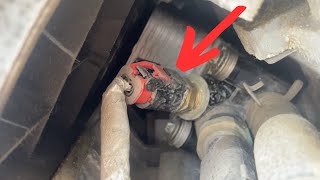
Sometimes, the problem isn't the sensor itself but the wiring or connector. On some Chrysler 300 models, particularly those with the 3.6L engine, the sensor is located under the intake manifold where wiring can be susceptible to damage from rodents 🎬 Watch a repair involving the sensor and oil cooler assembly. or corrosion. Before replacing the sensor, it's a good idea to inspect the wiring and connector for any visible damage, corrosion, or looseness. A simple cleaning of the connector with electronic contact cleaner can sometimes resolve the issue.
Choosing the Right Aftermarket Sensor
When it comes to replacing the engine oil temperature sensor on your Chrysler 300, you have several aftermarket options. Generally, aftermarket parts offer a significant cost saving over OEM parts without a major sacrifice in quality for a simple sensor like this. The key is to choose a reputable brand.
Aftermarket Brand Tiers:
- Tier 1 (High Quality): Brands like Standard Ignition and Walker Products are well-regarded in the aftermarket. They often manufacture parts that meet or exceed original equipment specifications and perform extensive testing for reliability.
- Tier 2 (Good Value): Brands such as Holstein and Crown Automotive offer a solid balance of quality and price. They are known for providing direct-fit replacement parts that are a reliable alternative to more expensive options.
- Tier 3 (Economy): Brands like Global Parts or other lesser-known names may offer the lowest price, but quality can be inconsistent. For a critical sensor, it's often worth spending a few extra dollars for a brand with a better track record.
Pro Tip: Check the Connector
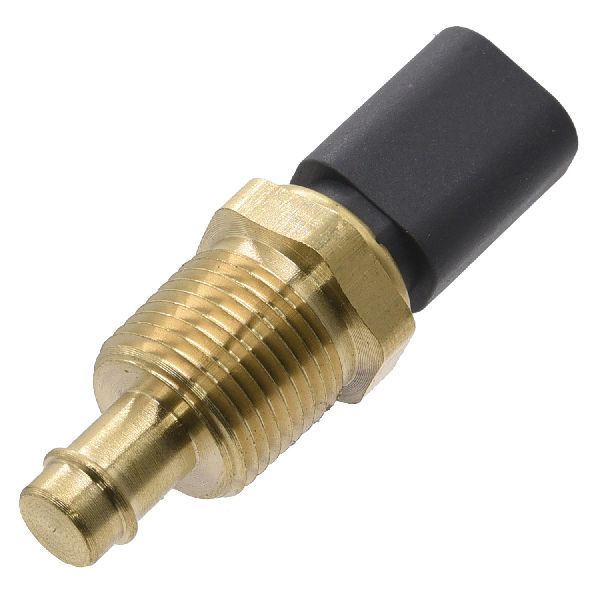
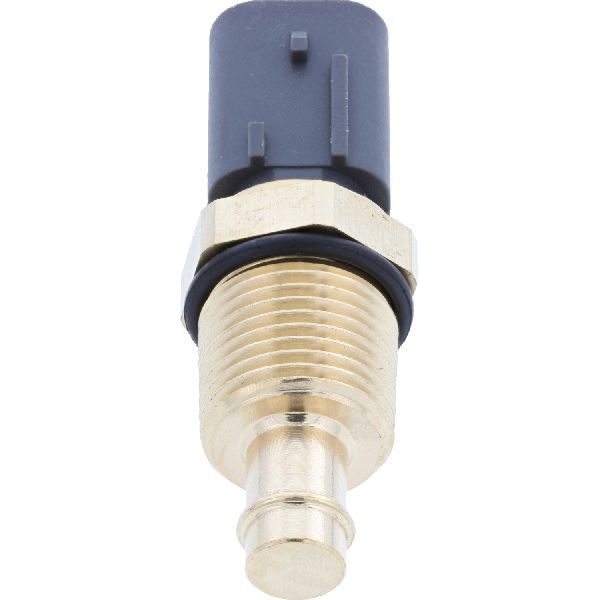
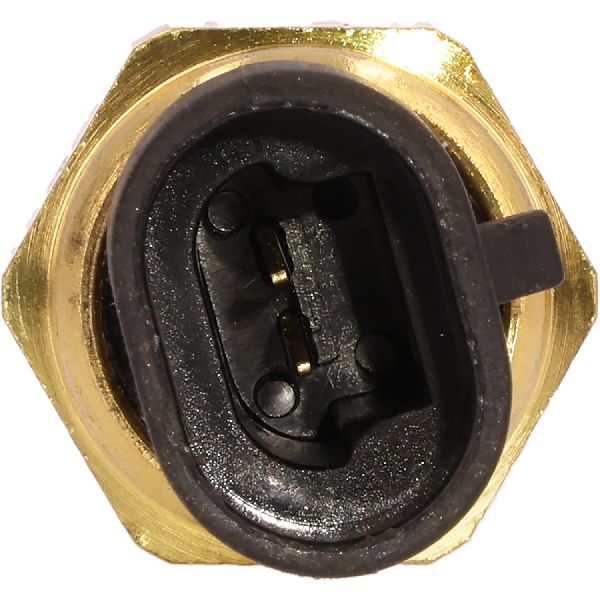
Before you buy, visually inspect your old sensor's electrical connector. Aftermarket brands sometimes use slightly different connector shapes. Matching it to the pictures of the new part online can help you avoid the hassle of a return.
Cost of Replacing the Engine Oil Temperature Sensor
| Part/Service | Estimated Cost |
|---|---|
| New OEM Part | $40 - $60 |
| New Aftermarket Part | $19 - $35 |
| Shop Labor | $100 - $250 |
| Total (Aftermarket DIY) | $19 - $35 |
| Total (Aftermarket Professionally Installed) | $119 - $285 |
Cost estimates are approximate and can vary based on your vehicle's engine, your location, and the specific parts chosen.
Frequently Asked Questions
Where is the engine oil temperature sensor located on a Chrysler 300?
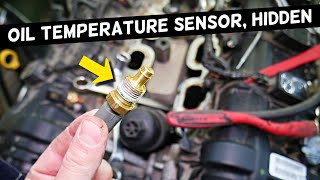
The location depends on your engine. For many 3.6L V6 engines, the sensor is located under the upper and lower intake manifolds, making it more difficult to access. 🎬 Learn how to locate and remove the sensor on 3.6L engines. On other engines, it may be found in the engine block, oil pan, or near the oil filter housing. Always confirm the location for your specific model year and engine before starting work.
Can I replace the sensor myself?
For some engine configurations where the sensor is easily accessible, it is a straightforward DIY job. However, for engines like the 3.6L where the intake manifold must be removed, the job is more complex and may be best left to an experienced mechanic. This requires more time, specialized tools, and care to avoid damaging other components.
🎬 See a step-by-step guide for Chrysler 300 sensor replacement.Are there any recalls for this part?
A search of the National Highway Traffic Safety Administration (NHTSA) database did not reveal any specific recalls for the engine oil temperature sensor on the 2005-2019 Chrysler 300. However, it's always a good practice to check for any recalls or Technical Service Bulletins (TSBs) related to your vehicle's specific VIN.
What happens if I ignore a bad oil temperature sensor?
Ignoring a faulty sensor can lead to poor engine performance and reduced fuel economy. In a worst-case scenario, if the engine overheats without you being aware due to a failed sensor, it could lead to severe and expensive engine damage. It's an inexpensive part to replace and not worth the risk of a major repair.
Helpful Videos

Technical Specifications
OEM Part Numbers: 5149008AA 68055357AA
Typically a 2-terminal, screw-in sensor with a plastic or brass body. It functions as a thermistor, meaning its electrical resistance changes with temperature.
We Have This Part in Stock


The information in this article is provided for general reference and educational purposes only. Vehicle specifications, procedures, and part compatibility can vary by production date, trim level, and region. Always consult your vehicle's factory service manual and verify part numbers before purchasing or performing repairs. Safety-critical components such as airbags, seat belts, and braking systems should be installed by a qualified professional.
- Chrysler 300:
- 🎬 Helpful Videos
- 🛍️ Shop This Part
- Is Your Chrysler 300's Oil Temperature Sensor Failing?
- Common Symptoms of a Bad Sensor:
- Wiring and Connection Issues
- Choosing the Right Aftermarket Sensor
- Aftermarket Brand Tiers:
- Pro Tip: Check the Connector
- Cost of Replacing the Engine Oil Temperature Sensor
- Frequently Asked Questions
- 🎟️ Get 5% Off