

A Guide to Replacing Engine Valve Stem Seals on a 2006-2010 Audi A3
Seeing blue smoke from your A3's exhaust? This guide explains the symptoms and solutions for failing valve stem seals.
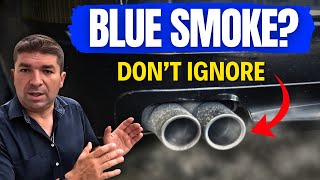
- A puff of blue smoke on startup is the most common symptom of failing valve stem seals on a 2006-2010 Audi A3.
- This is a very labor-intensive repair; always use high-quality OE-level brands like Elring or Victor Reinz to ensure longevity.
- Due to the complexity, this job is not feasible for most DIY mechanics and requires special tools.
- Before committing to this repair, rule out simpler causes of oil consumption like a bad PCV valve.
Is Your Audi A3 Burning Oil?

If you own a 2006-2010 Audi A3, especially with the 2.0T FSI engine, you might notice a puff of blue or grayish smoke from the exhaust when you first start the car. This is a classic sign that the engine valve stem seals are worn out. These seals are meant to keep oil in the upper part of the engine, but when they get old and hard, they allow a small amount of oil to seep past the valves and into the cylinders after the engine is shut off. When you start the car again, this oil burns off, creating that noticeable puff of smoke.
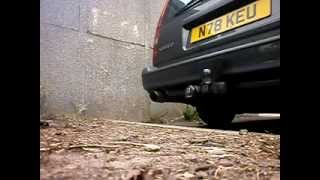
🎬 Watch: See what valve stem seal smoke looks like.Symptoms of Failing Valve Stem Seals

Besides the smoke on startup, there are other signs to watch for:
- High Oil Consumption: You may find yourself needing to add oil between regular oil changes. While the 2.0T engine is known for some oil use, a sudden increase can point to failing seals.
- Blue Smoke on Deceleration: Seeing blue smoke when you let off the gas pedal after accelerating can also indicate worn seals.
- Rough Idle: In some cases, oil fouling the spark plugs can lead to a rough or unstable idle.
Don't Mistake It for Other Issues
The 2.0T engine in this generation of A3 is also known for other problems that cause oil consumption, such as a faulty PCV (Positive Crankcase Ventilation) valve 🎬 Watch: How to diagnose and replace a bad PCV valve. or, more seriously, worn piston rings. It's wise to have a mechanic rule out these simpler fixes before committing to a valve stem seal replacement, which is a much bigger job.
Choosing the Right Aftermarket Seals: OEM vs. Aftermarket

When it comes to a labor-intensive job like this, the quality of the parts you use is extremely important. You don't want to have to do this job twice.
- OEM (Original Equipment Manufacturer): These are the parts you would get from an Audi dealership. They are high quality but also the most expensive.
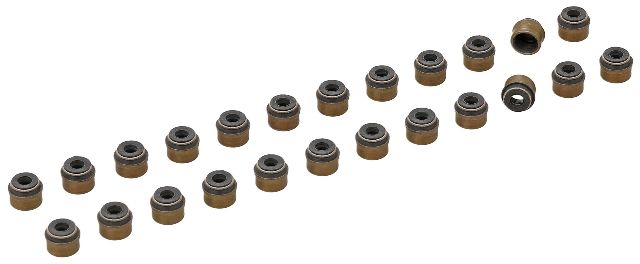
- Aftermarket (OE-Quality): Brands like Elring and Victor Reinz are often the original suppliers to car manufacturers like Audi. This means you can get the exact same quality as the OEM part, but for a lower price. Both Elring and Victor Reinz are highly respected German brands known for their excellent gaskets and seals. For a critical part like valve stem seals, sticking with one of these brands is a smart choice.
Pro Tip: What Else to Replace
Since replacing the valve stem seals requires significant engine disassembly, it's a good idea to replace other nearby parts at the same time. This includes the valve cover gasket, camshaft seals, and potentially the timing belt or chain and tensioner if they are near the end of their service life. This can save you a lot of money on labor in the long run.
| Part/Service | Estimated Cost |
|---|---|
| New Aftermarket Seal Set (Elring, Victor Reinz) | $18.98 - $24.25 |
| New OEM Seal Set | $45 - $70 |
| Shop Labor | $1200 - $2000+ |
Frequently Asked Questions (FAQ)

Is replacing valve stem seals a DIY job?
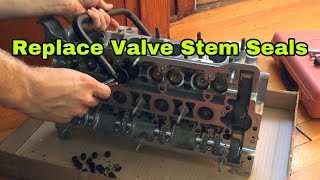
No, this is not recommended for a DIY mechanic. The job requires removing the camshafts and using a special spring compressor tool to access the seals. It is a complex and time-consuming task best left to an experienced professional mechanic.
🎬 Watch: See the complex process of replacing valve stem seals.Will new valve stem seals completely fix my A3's oil consumption?
It might, especially if your main symptom is smoke on startup. However, the 2.0T FSI engine can also consume oil due to issues with the PCV system or piston rings. New seals will fix the leak at the valves, but may not solve all oil consumption if other problems exist.
Are there any recalls for this issue?
There are no specific recalls from the NHTSA for failing engine valve stem seals on the 2006-2010 Audi A3. There were recalls for a fuel tank ventilation valve and air bag inflators for this model range. Audi has issued Technical Service Bulletins (TSBs) related to oil consumption on the 2.0T engine, which often point towards piston rings or the PCV system as potential causes.
How many seals are in a set for the 2.0T engine?
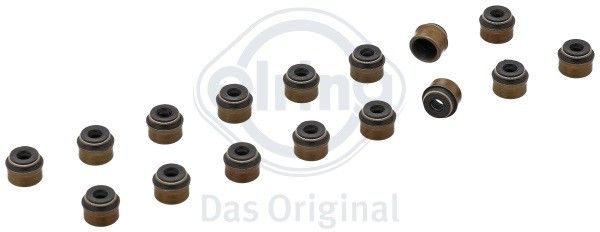
The 2.0T is a 16-valve engine, so a complete set will include 16 seals. It is critical to replace all of them at the same time.
Helpful Videos


Technical Specifications
OEM Part Numbers: 036109675A 036109675
Material: FPM (fluoride rubber/Viton); Inner Diameter: 6mm; Quantity per engine: 16.
We Have This Part in Stock


The information in this article is provided for general reference and educational purposes only. Vehicle specifications, procedures, and part compatibility can vary by production date, trim level, and region. Always consult your vehicle's factory service manual and verify part numbers before purchasing or performing repairs. Safety-critical components such as airbags, seat belts, and braking systems should be installed by a qualified professional.
- Audi A3: