

A Guide to the Engine Coolant Reservoir for the 2008-2013 BMW M3 (E90/E92/E93)
Your M3's plastic coolant expansion tank is a known failure point; learn how to choose the right replacement before it leaves you stranded.
- The plastic coolant reservoir is a common failure point on the E9x M3; proactive replacement is recommended.
- Always replace the reservoir cap with the tank to prevent over-pressurization of the new part.
- Aftermarket quality varies greatly; choose an OEM-supplier brand like Mahle/Behr for reliability.
- Properly bleeding the cooling system after installation is essential to prevent overheating.
About This Part
Vehicle Generation Notice
This article is specifically for the 2008-2013 BMW M3 (E9x chassis), which is equipped with the S65 V8 engine. The previous generation, the 2001-2006 E46 M3, uses a different engine and a completely different coolant reservoir. Please verify your M3's model year and generation before purchasing a part.
The factory coolant expansion tank on the E9x M3 is made of plastic. Over many years and thousands of miles, constant exposure to high temperatures in the engine bay causes this plastic to become brittle. This degradation is a common issue and often leads to the tank developing hairline cracks or splitting at the seams where the two halves are molded together. Because it is a key component under pressure, a failure can lead to rapid coolant loss and potentially severe engine damage from overheating.
Symptoms of a Failing Coolant Reservoir
Catching a failing coolant tank early can save you from a major headache. Look for these common signs:
- Visible Coolant Puddles: You may find a puddle of blue-colored fluid under the front passenger side of your car.
- Low Coolant Warning Light: A frequent or constant low coolant warning on your dashboard is a primary indicator of a leak.
- Sweet Smell: You might notice a distinct sweet smell of antifreeze coming from the engine bay after a drive.
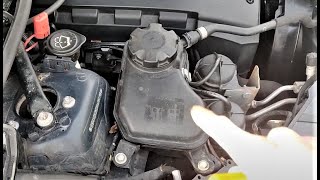
- Dried Coolant Stains: Inspect the tank itself for white or bluish crusty residue, especially around the seams and hose connections. This is evidence of a slow leak. 🎬 Watch: How to identify this commonly misdiagnosed coolant leak.
- Engine Overheating: In severe cases, a large crack can cause rapid coolant loss, leading to your engine's temperature gauge rising into the red. If this happens, pull over immediately.
Choosing the Right Aftermarket Reservoir
While a Genuine BMW part is always an option, several aftermarket brands offer replacements. Quality can vary, so it's important to know the difference.
Tier 1: OEM-Equivalent Brands
These brands are known to manufacture parts for BMW or produce them to the same high standards. They are the most reliable aftermarket choice.
- Mahle / Behr: Often the original manufacturer for BMW's cooling system components, Mahle and Behr are trusted names that offer OEM quality without the dealer price tag.
Tier 2: Quality Aftermarket
These brands are generally reliable but may have occasional quality control issues. They offer a good balance of price and performance.
- Rein: A popular aftermarket choice, but owner reviews are mixed. Some have experienced premature failures or fitment issues where the cap does not seal properly, leading to leaks. While often cheaper, it may carry more risk than an OEM-equivalent brand.
Tier 3: Budget Brands
These are the cheapest options available. While tempting, they are not recommended for critical, pressurized components like an expansion tank.
- Uro Parts / Febi Bilstein: Forum discussions often advise against using budget brands for the M3's cooling system. Reports include poor fitment and a higher likelihood of early failure, making them a risky choice.
Performance Upgrade: Aluminum Tanks
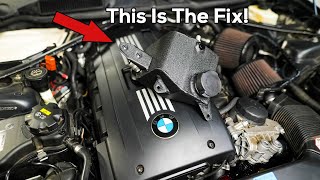
For owners seeking a permanent solution, several companies like Moroso offer fabricated aluminum expansion tanks. These eliminate the risk of plastic cracking and are built to last the life of the vehicle. The main drawback is the significantly higher cost and that some race-oriented versions may not include a port for the factory coolant level sensor.
| Part Type | Estimated Cost |
|---|---|
| New OEM (Genuine BMW) | $140 - $280 |
| New Aftermarket (Tier 1/2) | $35 - $90 |
| Used OEM | $50 - $80 (Not Recommended) |
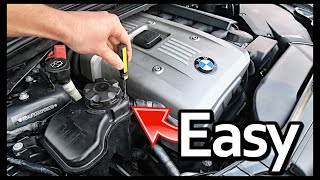
| Shop Labor | 🎬 See this step-by-step walkthrough to replace the tank yourself.$171 - $251 |
Frequently Asked Questions (FAQ)
Is there a recall on the E9x M3 coolant reservoir?
No, there are no specific recalls or Technical Service Bulletins (TSBs) from BMW or the NHTSA for the engine coolant expansion tank on the 2008-2013 BMW M3. The issue is considered a common failure due to the age and material of the part.
How often should I replace the coolant reservoir?
Many BMW specialists and experienced owners recommend proactively replacing the coolant reservoir and its cap every 60,000 to 80,000 miles to prevent a sudden failure. If your M3 is over 10 years old and still has its original tank, it's wise to inspect it carefully or consider replacing it.
Do I need to replace the cap with the tank?
Yes, it is critical to replace the coolant reservoir cap whenever you replace the tank. The cap contains a valve that regulates system pressure. An old, faulty cap can fail to vent excess pressure, which can cause a brand new plastic tank to crack or split.
Can I reuse my old coolant?
It is not recommended. You will lose a significant amount of coolant during the replacement. This is the perfect time to perform a coolant flush and refill the system with fresh, BMW-approved G48 blue coolant to ensure optimal performance and protection.
Pro Tip: Bleeding the System
After installing the new tank and refilling the coolant, you must properly bleed the air from the cooling system. The E9x M3 has a specific bleeding procedure that involves running the engine with the heater on high to circulate coolant and purge air pockets. Trapped air can cause overheating, so do not skip this crucial step.
🎬 Watch: How to properly bleed air from the cooling system.Helpful Videos
Technical Specifications
OEM Part Numbers: 17112283500 17137836040
Pressurized plastic tank with integrated level sensor port. Includes bleeder screw port and multiple hose connections.

The information in this article is provided for general reference and educational purposes only. Vehicle specifications, procedures, and part compatibility can vary by production date, trim level, and region. Always consult your vehicle's factory service manual and verify part numbers before purchasing or performing repairs. Safety-critical components such as airbags, seat belts, and braking systems should be installed by a qualified professional.
- BMW M3:
- 🎬 Helpful Videos
- About This Part
- Vehicle Generation Notice
- Symptoms of a Failing Coolant Reservoir
- Choosing the Right Aftermarket Reservoir
- Tier 1: OEM-Equivalent Brands
- Tier 2: Quality Aftermarket
- Tier 3: Budget Brands
- Performance Upgrade: Aluminum Tanks
- Frequently Asked Questions (FAQ)
- Pro Tip: Bleeding the System
- 🎟️ Get 5% Off