

Ford Lobo Disc Brake Caliper Guide for 2006-2010 Models
Is your truck pulling to one side or dragging its brakes? Your brake calipers might be the problem.
- Sticking or seizing is the most common caliper failure for 2006-2010 Lobos, often caused by corroded slide pins or pistons.
- Symptoms include pulling to one side, a hot wheel with a burning smell, and a feeling of brake drag.
- Most aftermarket options like Cardone are remanufactured; inspect them for quality before installation.
- When installing, ensure the bleeder screw is at the top to allow air to escape properly during bleeding.
Why Brake Calipers Fail on the 2006-2010 Ford Lobo
For this specific generation of Ford Lobo (and its F-150 counterpart), the most common caliper problem is sticking or seizing. This happens when the caliper fails to release its grip on the brake rotor after you let go of the brake pedal. The constant drag generates extreme heat, which can quickly destroy your brake pads and warp the rotors.
There are a few key reasons for this:
- Slide Pin Corrosion: Calipers are designed to slide back and forth on lubricated pins. Over time, especially in areas with road salt and moisture, these pins can rust and seize. This prevents the caliper from releasing pressure evenly.
- Piston Failure: The piston inside the caliper can get stuck due to corrosion from old, moisture-contaminated brake fluid. On some of these trucks, the original ceramic pistons were also known to be fragile and could crack.
- Stuck Brake Pads: The metal clips that hold the brake pads in the caliper bracket can get clogged with rust and brake dust. This can cause the pads themselves to get stuck against the rotor.
Brake Drag is a Serious Issue
A sticking caliper isn't just noisy; it's a safety hazard. It can cause the truck to pull sharply to one side, increase stopping distances, and in extreme cases, the heat can lead to a total loss of braking on that wheel. If you suspect a caliper is stuck, it's important to inspect it immediately.
Choosing the Right Aftermarket Caliper
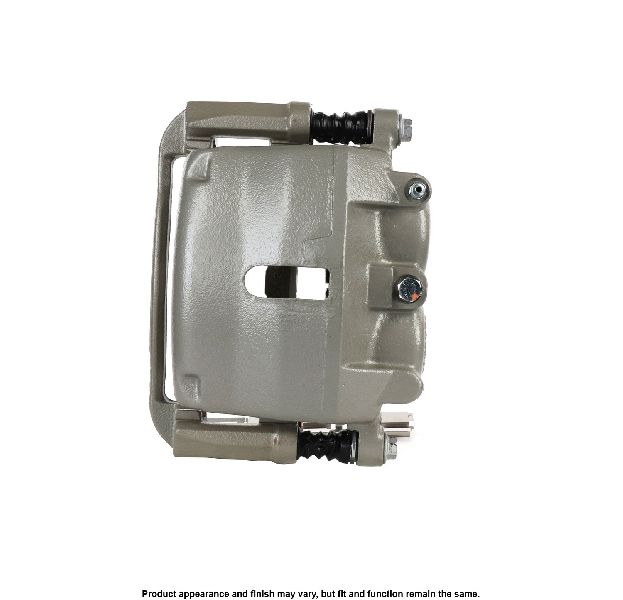
When shopping for a replacement caliper, you'll mainly find remanufactured parts. Even many OEM-branded parts from a dealer are remanufactured. The available aftermarket brand, Cardone, is one of the largest remanufacturers in the industry.
New vs. Remanufactured
Remanufactured calipers are original factory parts (cores) that have been disassembled, cleaned, and rebuilt with new seals, boots, and bleeder screws. They are a cost-effective and environmentally friendly option. However, quality can sometimes be inconsistent. Forum users report mixed experiences with remanufactured parts, sometimes finding issues like messy coatings or reused hardware.
New calipers are built from scratch with all-new components. They typically have a higher price point but eliminate any concerns about the history of the part. Cardone offers both new and remanufactured options.
Inspect Your New Part
Whether you choose new or remanufactured, always inspect the part before you begin installation. Check that the bleeder screw isn't stripped and that the slide pins move freely. For remanufactured parts, look for fresh seals and clean threads. Buying locally can make it easier to exchange a part if you find a defect.
Estimated Replacement Costs
The cost to replace a brake caliper can vary based on the part quality and local labor rates. Since a sticking caliper often damages the pads and rotor, many shops will recommend replacing all three components at the same time.
| Part/Service | Estimated Cost |
|---|---|
| New Aftermarket Caliper (Cardone) | $55 - $231 |
| Shop Labor (per caliper) | $120 - $250 |
| Total per Wheel (Parts & Labor) | $175 - $481 |
Note: This table does not include the cost of new brake pads, rotors, or brake fluid, which are often replaced at the same time.
Frequently Asked Questions
Do I need to replace calipers in pairs?
While you can replace just one caliper, it's often recommended to replace them in pairs (both front or both rear). This ensures even braking performance and avoids a situation where the old caliper fails shortly after the new one is installed. If one has failed due to age or corrosion, the other is likely not far behind.
What is a 'loaded' vs. 'unloaded' caliper?
An 'unloaded' or 'semi-loaded' caliper is just the caliper itself, sometimes with the mounting bracket. A 'loaded' caliper comes complete with new brake pads already installed. If your pads are worn, a loaded caliper can save time and ensure you have the correct matching components.
Can I make a mistake during installation?
Yes. A common and critical error is installing the left-side caliper on the right side of the truck, or vice-versa. This will position the bleeder screw at the bottom instead of the top. Since air rises, you will never be able to get all the air out of the system, resulting in a spongy and unsafe brake pedal. Always make sure the bleeder screw is the highest point on the caliper.
Are there any recalls for my truck's calipers?
No. Searches of the NHTSA database did not show any specific recalls for brake calipers on the 2006-2010 Ford Lobo or F-150. Recalls for other brake components on different model years exist, but they do not apply to this generation's calipers.
Technical Specifications
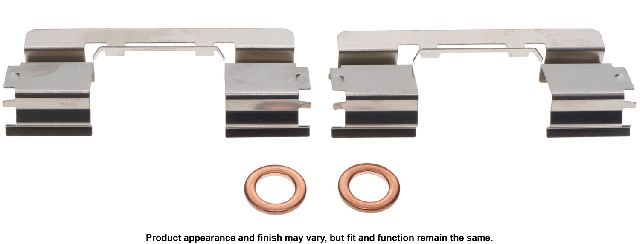
The 2006-2010 Ford Lobo uses a floating caliper design with two pistons in the front calipers. Replacement calipers should always include new copper crush washers for the brake line banjo bolt.
We Have This Part in Stock


The information in this article is provided for general reference and educational purposes only. Vehicle specifications, procedures, and part compatibility can vary by production date, trim level, and region. Always consult your vehicle's factory service manual and verify part numbers before purchasing or performing repairs. Safety-critical components such as airbags, seat belts, and braking systems should be installed by a qualified professional.
- Ford Lobo: