

Ford Mustang Engine Mount Guide: 2006-2010
Stop the shaking and clunking in your S197 Mustang by choosing the right engine mounts.
- The stock mounts are hydraulic and fail by leaking fluid, causing vibration and clunking.
- Choose between comfortable OEM-style rubber mounts (Pioneer) or stiff performance polyurethane mounts (BMR) that will increase vibration.
- Economy brands like Anchor and DEA are cheap but may not last as long or ride as smoothly.
- The same mounts fit both V6 and V8 GT models for this year range, and they should always be replaced in pairs.
Is Your Mustang's Engine Mount Failing?
The original hydraulic engine mounts on the 2006-2010 Mustang can fail over time. The rubber cracks, and the internal fluid can leak out, causing the mount to collapse. When this happens, you'll notice some obvious signs that your engine isn't properly secured.
Key Symptoms of a Bad Mount:
- Excessive Vibration: A new, strong vibration felt in the steering wheel, floor, or seats, especially when the car is idling in gear.
- Clunking or Thudding Noises: A loud "clunk" or "thump" from the engine bay when you accelerate, decelerate, or shift gears. This is the sound of the engine moving too much and hitting the frame.
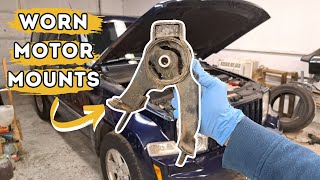
- Engine Movement: If you have a helper, you can see the engine physically lift or rock excessively when shifting from drive to reverse with the brakes applied. The engine should not move more than an inch or two. 🎬 Watch: How to identify and locate a failing engine mount
Known Issues for 2006-2010 Ford Mustang
There are no official recalls or widespread Technical Service Bulletins (TSBs) from Ford for engine mount failure on this generation of Mustang. These parts are considered a normal wear-and-tear item that will eventually need replacement due to age and mileage. The most common failure is the original hydraulic mount leaking its fluid and collapsing.
Choosing the Right Aftermarket Engine Mount
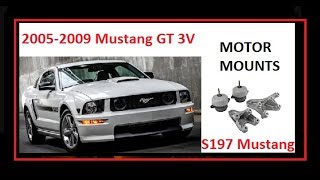
When replacing your Mustang's engine mounts, you have a choice between standard replacements that mimic the original feel and performance upgrades that change how the car behaves. Both engine mounts (left and right) are the same part and fit both V6 and GT models.
Tier 1: Performance Polyurethane Mounts (BMR Suspension)
For the Mustang enthusiast looking for maximum performance. Polyurethane mounts are made of a much stiffer material than the factory rubber. This nearly eliminates engine movement, resulting in better throttle response and crisper shifting. The downside is a significant increase in Noise, Vibration, and Harshness (NVH). You will feel more engine vibration in the cabin, which some drivers may find uncomfortable for a daily driver.
🎬 See this step-by-step installation of performance polyurethane mounts- Best For: Track use, drag racing, or performance street driving.
- Not For: Owners who want a quiet, comfortable ride like the car had when it was new.
Tier 2: OEM-Style Replacements (Pioneer)
These mounts are designed to be direct replacements for the original parts. They use a solid rubber or hydraulic design to provide a balance of engine control and comfort. Brands like Pioneer are often considered a good-quality alternative to the dealer part, offering similar performance and durability at a lower cost. They are a great choice for restoring the stock ride quality of your Mustang.
- Best For: Daily drivers and owners who want to restore the original smooth feel.
Tier 3: Economy Replacements (Anchor, DEA)
These are budget-friendly options that will solve the problem of a completely failed mount. While they are affordable, online forums and mechanic reviews often suggest that brands like Anchor and DEA may not have the same quality control or longevity as OEM-style or performance brands. They might increase cabin vibration compared to the original mounts or wear out sooner.
- Best For: A quick, low-cost fix to get the vehicle back on the road.
| Part Type | Estimated Cost (Pair) |
|---|---|
| New Aftermarket (Economy) | $70 - $100 |
| New Aftermarket (Performance/OEM-Style) | $100 - $250 |
| New OEM (Dealer) | $250 - $320 |
| Shop Labor | $250 - $370 |
Frequently Asked Questions
Is it hard to replace Mustang engine mounts myself?
This is a moderately difficult job that a skilled DIYer can do. It requires safely supporting the engine from below with a jack and a block of wood, then unbolting the mounts from the frame and engine. Access can be tight, especially on the driver's side around the steering components. It typically takes 2-3 hours.
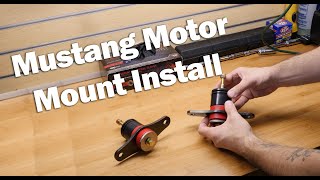
🎬 Watch: A complete walkthrough for replacing your Mustang's motor mountsCan I drive with a bad engine mount?
You can, but it is not recommended. A completely failed mount allows the engine to move excessively, which puts stress on the transmission, driveshaft, exhaust system, and hoses. Driving for too long with a bad mount can cause other, more expensive parts to fail.
Do I need different mounts for a V6 and a GT?
No. For the 2006-2010 model years, the same engine mount part number is used for both the 4.0L V6 and the 4.6L V8 GT models.
Should I replace mounts in pairs?
Yes. If one mount has failed due to age and wear, the other is likely not far behind. Replacing both at the same time ensures proper engine alignment and saves you from having to do the job again in the near future.
Helpful Videos
Technical Specifications
OEM Part Numbers: 6R3Z-6038-A 4R3Z-6038-DA 2R3Z-6038-AB
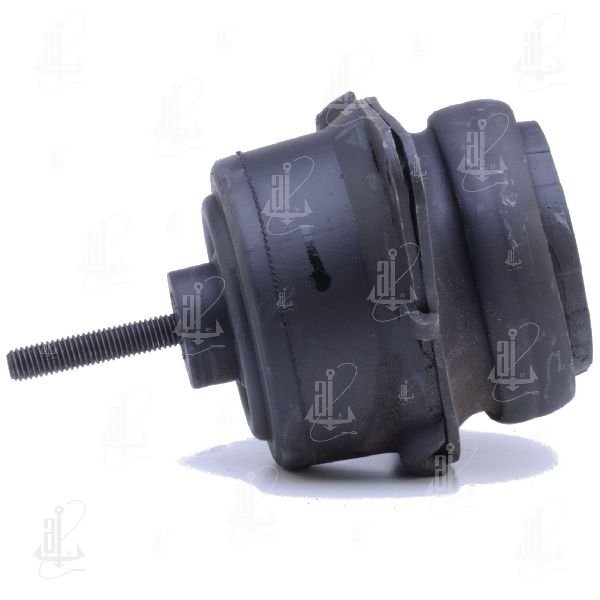
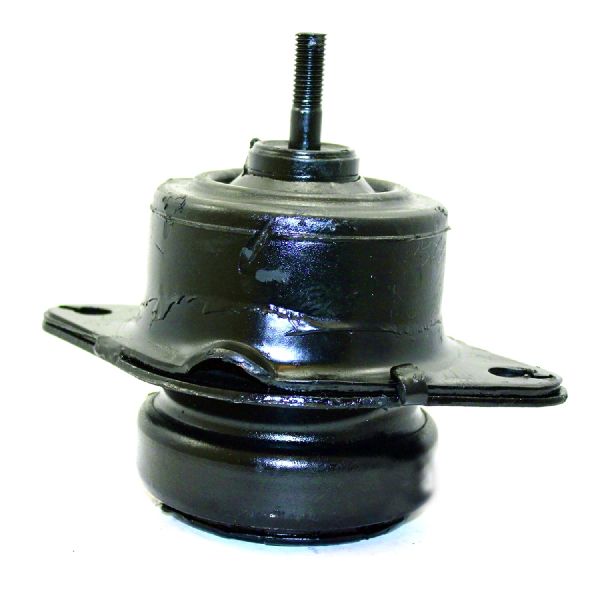
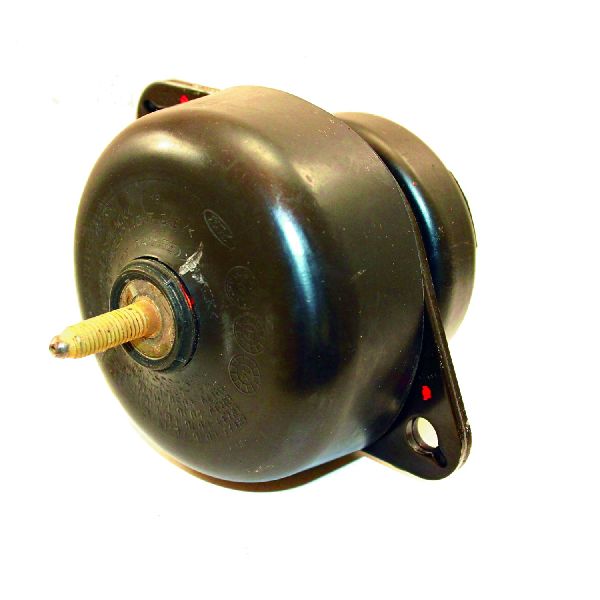
Fits both left and right sides. Compatible with 4.0L V6 and 4.6L V8 engines. Original design is a hydraulic-filled rubber mount.
We Have This Part in Stock


The information in this article is provided for general reference and educational purposes only. Vehicle specifications, procedures, and part compatibility can vary by production date, trim level, and region. Always consult your vehicle's factory service manual and verify part numbers before purchasing or performing repairs. Safety-critical components such as airbags, seat belts, and braking systems should be installed by a qualified professional.
- Ford Mustang:
- 🎬 Helpful Videos
- 🛍️ Shop This Part
- Is Your Mustang's Engine Mount Failing?
- Key Symptoms of a Bad Mount:
- Known Issues for 2006-2010 Ford Mustang
- Choosing the Right Aftermarket Engine Mount
- Tier 1: Performance Polyurethane Mounts (BMR Suspension)
- Tier 2: OEM-Style Replacements (Pioneer)
- Tier 3: Economy Replacements (Anchor, DEA)
- Frequently Asked Questions
- 🎟️ Get 5% Off