

2006-2010 Kia Optima Radiator Hose Replacement Guide
Everything you need to know about choosing the right replacement radiator hoses for your Kia Optima.
- Hoses fail from age; inspect them for cracks, swelling, or leaks.
- You must know your engine size (2.4L or 2.7L) and year to buy the correct hose.
- Quality aftermarket brands like Gates, Dayco, and Continental are reliable and affordable choices.
- If one hose has failed, it is best practice to replace both the upper and lower hoses at the same time.
Signs of a Failing Radiator Hose
Radiator hoses are wear items. They won't last forever. Over time, the rubber breaks down from heat and pressure. It's a good idea to inspect your hoses every time you change your oil. Look for these warning signs:
- Coolant Leaks: Puddles of green, pink, or yellow fluid under the front of your car are a tell-tale sign of a cooling system leak. The leak might be coming from a cracked hose or a loose connection.
- Visible Damage: Check the hoses for cracks, splits, or bulging. A swollen or bloated hose is a sign that the internal structure has failed and it could burst at any time. Oil contamination can also cause hoses to soften and fail.
- Spongy or Hard Texture: A healthy hose should feel firm but flexible. If a hose feels mushy, spongy, or rock-hard, it's time for a replacement.
- Engine Overheating: If your car's temperature gauge starts climbing into the red, a failing radiator hose could be the cause. A significant leak means the engine isn't getting the cooling it needs.
Engine and Year are Critical
The 2006-2010 Kia Optima came with two engine options: a 2.4L 4-cylinder and a 2.7L V6. The radiator hoses are not the same for these engines. Furthermore, there can be different parts even within the same engine for different years (e.g., 2007-2008 vs 2009-2010). Always verify your exact year and engine size before ordering to ensure you get the correct part.
Choosing an Aftermarket Radiator Hose
For a vehicle of this age, a quality aftermarket hose is a smart and affordable choice. The original equipment (OEM) hoses from Kia are good, but aftermarket brands like Gates, Dayco, and Continental offer similar quality, often for less money. All three are well-respected brands used by professional mechanics.
- Gates: Often considered a top-tier aftermarket brand. Many mechanics trust Gates for its quality and consistent fit.
- Dayco: Another excellent choice. Some users report that Dayco hoses can feel slightly thicker and more robust.
- Continental: A global OEM supplier, their aftermarket parts (often branded as ContiTech) are also known for high quality and reliability.
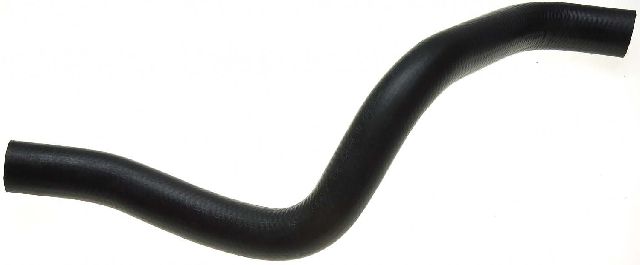
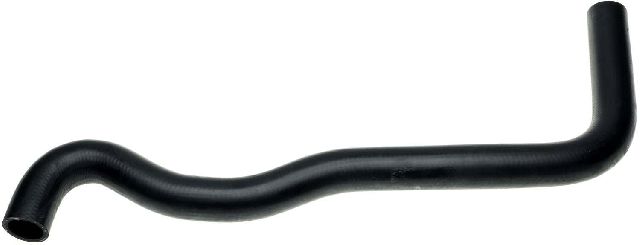
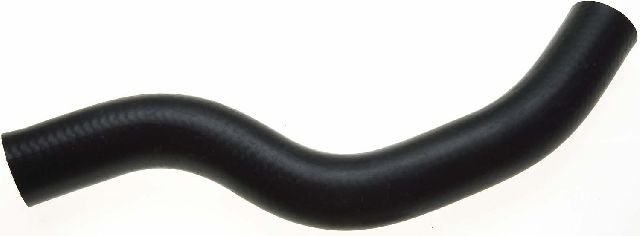
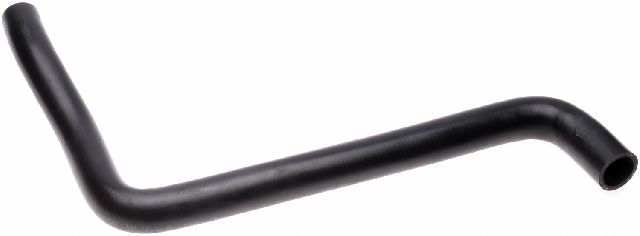
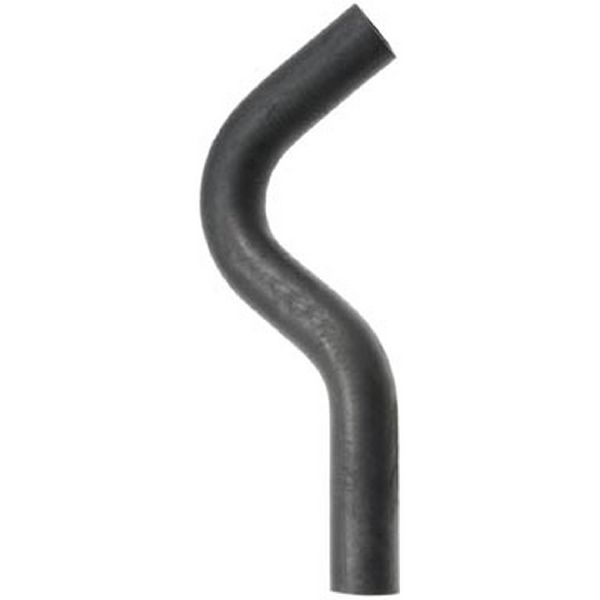
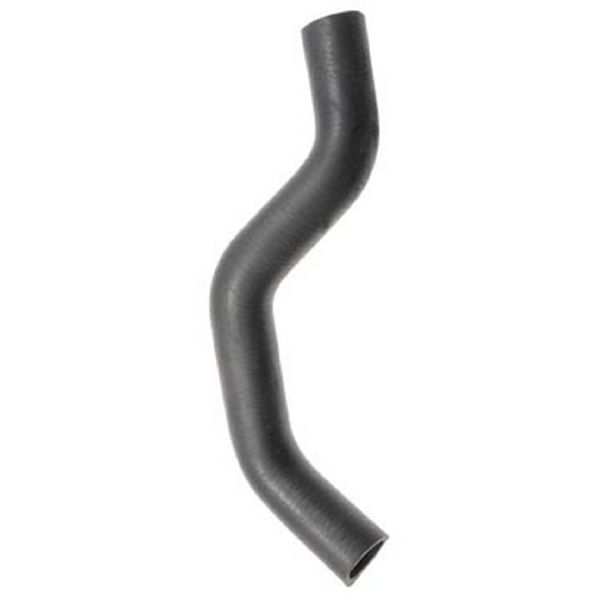
You can't go wrong with any of these three brands. The most important factor is ensuring the hose is molded correctly for your specific Optima. A poorly shaped hose can kink or rub against other parts, leading to premature failure. When you receive your new hose, compare it to the old one before installation to make sure the bends and length are a close match.
Estimated Replacement Costs
The cost to replace a radiator hose can vary depending on whether you do it yourself or take it to a shop. It's a very manageable DIY job for most home mechanics.
| Item | Estimated Cost |
|---|---|
| New Aftermarket Hose (Single) | $22 - $45 |
| New OEM Hose (Single) | $40 - $70 |
| Shop Labor | $90 - $150 |
| DIY Total (Part + Coolant) | $45 - $75 |
| Shop Total (Parts + Labor) | $150 - $250+ |
*Cost estimates are for a single hose replacement and do not include taxes or shop supply fees. Prices are subject to change.
Frequently Asked Questions
Should I replace both the upper and lower hoses at the same time?
Yes, it's highly recommended. Both hoses have been exposed to the same heat and age. If one has failed, the other is likely not far behind. Replacing them together saves you from having to do the job twice and is a smart preventative measure.
Do I need special tools to replace a radiator hose?
Basic hand tools are usually sufficient. A pair of pliers to remove the spring clamps, a screwdriver, and a drain pan for the coolant are the main requirements. Special hose clamp pliers can make removing the clamps easier, but are not always necessary.
Are there any recalls for the radiator hoses on my 2006-2010 Optima?
No, searches of the National Highway Traffic Safety Administration (NHTSA) database did not find any recalls specifically for the radiator coolant hoses on the 2006-2010 Kia Optima.
What kind of coolant should I use?
After replacing the hose(s), you will need to top off or refill the coolant. Use a coolant that is specified for your Kia. Typically, this is a green or Asian phosphate-enhanced (P-HOAT) type antifreeze. Always check your owner's manual or the coolant bottle to ensure compatibility.
Technical Specifications
OEM Part Numbers: 25411-2G000 25412-2G000 25411-3K000 25412-3K000
Hoses are made from EPDM rubber to resist heat and ozone. They are pre-molded to fit specific engine configurations (2.4L I4 or 2.7L V6) and model years.
We Have This Part in Stock

The information in this article is provided for general reference and educational purposes only. Vehicle specifications, procedures, and part compatibility can vary by production date, trim level, and region. Always consult your vehicle's factory service manual and verify part numbers before purchasing or performing repairs. Safety-critical components such as airbags, seat belts, and braking systems should be installed by a qualified professional.
- Kia Optima: