

Disc Brake Rotor Guide for the 2006-2010 Mazda B4000
Everything you need to know before replacing the disc brake rotors on your truck.
- Common symptoms of bad rotors are brake pedal pulsation and grinding noises.
- Always replace rotors and pads in pairs for balanced braking.
- For this truck, replacing rotors also requires servicing the wheel bearings, making it a more involved DIY job.
- Coated rotors from brands like Powerstop or Raybestos are a good choice for rust prevention in wet or salty climates.
Is It Time for New Rotors?
Your 2006-2010 Mazda B4000 is a reliable truck, but its brake components wear out over time. Since the B4000 is a mechanical twin to the Ford Ranger, many of its parts and common issues are shared. When brake rotors wear down, they can cause noticeable problems. Ignoring these signs can lead to longer stopping distances and more expensive repairs down the road.
Symptoms of Bad Brake Rotors
Look out for these common signs that your rotors need attention:
- Pulsating Brake Pedal: If you feel a pulsing or vibration in the brake pedal or steering wheel when you brake, your rotors may be uneven or "warped." This is one of the most common complaints from B4000 and Ranger owners.
- Grinding or Squealing Noises: A high-pitched squeal can mean your brake pads are worn out, but a deeper grinding sound often means the metal brake pad backing is digging into the rotor, causing damage.
- Visible Grooves or Damage: Look at your rotors through the wheel. If you see deep scratches, grooves, or a blueish tint, it's a clear sign of a problem. The blue color means the rotor has been overheated.
- Longer Stopping Distances: If your truck just doesn't feel like it's stopping as quickly as it used to, worn rotors could be part of the problem.
Known Issues & Recalls
While there are no specific recalls for brake rotors on the 2006-2010 Mazda B4000, there have been several major recalls for faulty Takata airbags in this model range. It is critical to check if your truck has had this free repair performed. You can check for open recalls using your Vehicle Identification Number (VIN) on the NHTSA website. Some Mazda technical service bulletins (TSBs) mention brake noise and judder, often caused by rust or improper pad movement, which can be related to rotor condition.
Choosing the Right Aftermarket Rotors
Original equipment (OEM) rotors for the B4000 are perfectly adequate, but aftermarket options can offer better value and performance. Since your truck is over 15 years old, a quality aftermarket part is often a smarter financial choice. Here's a breakdown of the brands available:
- Economy (Good): Brands like Pronto and Dynamic Friction offer a basic, budget-friendly replacement. They meet standard specifications and are a good choice for drivers on a tight budget who use their truck for light-duty tasks.
- OEM-Quality (Better): Centric, Raybestos, and Bendix are well-respected brands that often supply parts to vehicle manufacturers. Their standard rotors are comparable to or exceed OEM quality. Many owners have good experiences with these brands. Bosch also falls into this category, offering solid, reliable options.
- Performance/Heavy-Duty (Best): If you tow, haul heavy loads, or just want better braking performance, consider brands like Powerstop or Brembo. Powerstop is very popular for its drilled and slotted rotors, which help dissipate heat and provide better bite, especially when hot. Raybestos and Centric also offer performance lines. For trucks used in salty or wet climates, look for rotors with a protective coating (often called Geomet, Fusion, or E-coating) to prevent rust on the hat and vanes.
Pro Tip: Coated vs. Uncoated Rotors
Coated rotors have a special finish that helps prevent rust on the areas of the rotor not swept by the brake pads. This is mostly for appearance, but it can make future brake jobs easier. If you live in an area with road salt in the winter, coated rotors from brands like Powerstop or Raybestos are a worthwhile investment to keep your wheels looking clean.
| Item | Estimated Cost |
|---|---|
| New Aftermarket Rotors (Pair) | $108 - $350 |
| Shop Labor | $150 - $250 |
| Total Professional Installation | $258 - $600 |
Note: Costs are estimates and can vary by location and the specific parts chosen. It is always recommended to replace brake pads at the same time as rotors.
Frequently Asked Questions
Do I have to replace my rotors in pairs?
Yes. Always replace brake rotors on the same axle at the same time. Replacing only one can cause unbalanced braking, pulling to one side, and unsafe driving conditions.
Should I get drilled and slotted rotors?
For most daily driving, standard blank rotors are perfectly fine. However, if you tow, carry heavy loads, or live in a hilly area, the improved heat dissipation of drilled and slotted rotors from a brand like Powerstop can reduce brake fade and improve performance. For a standard work truck, they are generally not necessary.
Can I just resurface my old rotors?
Resurfacing (or "turning") a rotor means machining a thin layer off the surface to make it smooth again. While this was common in the past, many modern rotors are thinner and may not have enough material to be safely resurfaced. Given the affordable cost of new aftermarket rotors for the B4000, replacement is almost always the better and safer option.
Is replacing the rotors on my B4000 a good DIY job?
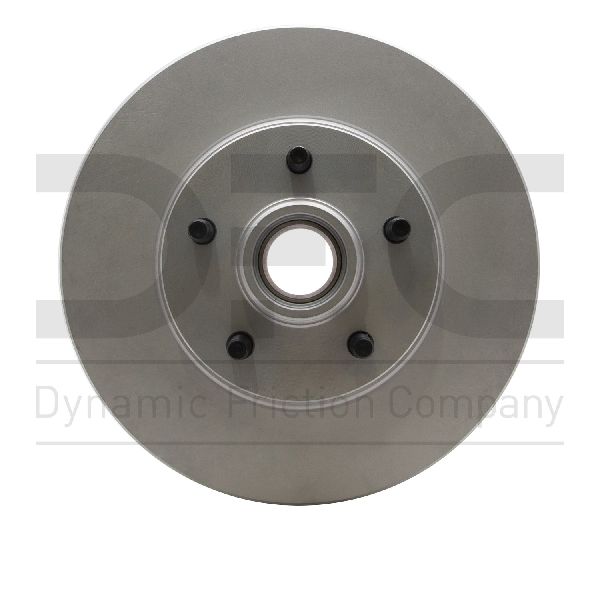
Yes, for a moderately skilled DIY mechanic. The process involves removing the wheel, brake caliper, and caliper bracket. Unlike many modern vehicles, the front rotors on the B4000 are part of the wheel hub assembly, which means you will also need to service the wheel bearings. This makes the job more involved than a simple slip-on rotor. If you are not comfortable cleaning and repacking wheel bearings, it's best to leave this job to a professional.
Technical Specifications
OEM Part Numbers: E3TZ1102A F37Z1102A
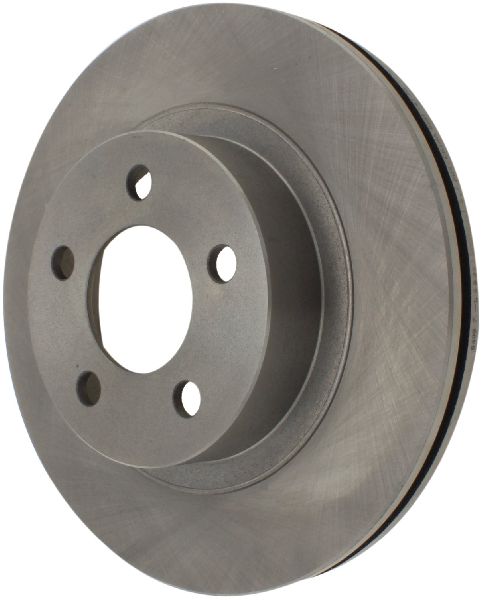
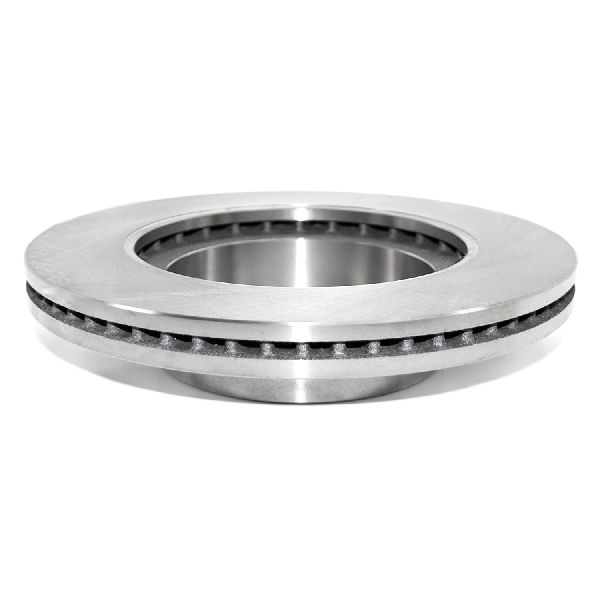
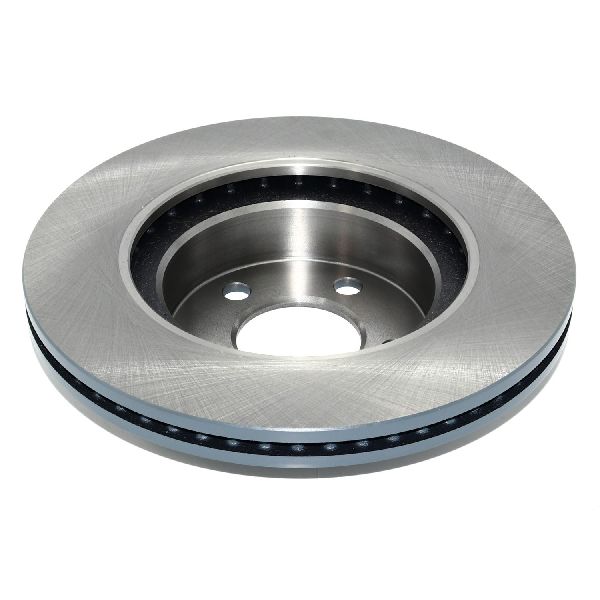
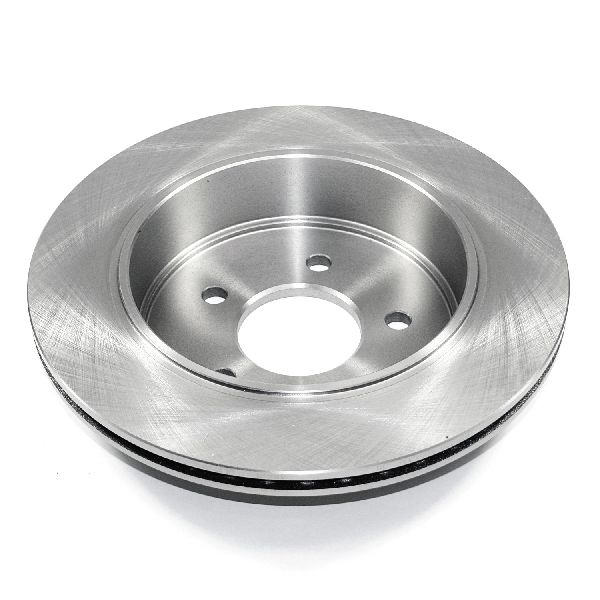
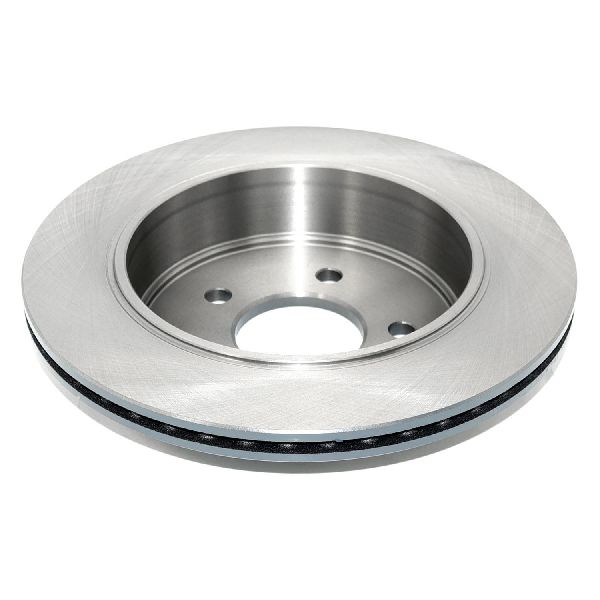
Configuration: Vented. Number of Lugs: 5. Rotor Diameter: 261.11 mm (approx. 10.28 inches). Note: The front rotors for the 2006-2010 B4000 are an integrated hub/rotor assembly.
We Have This Part in Stock

The information in this article is provided for general reference and educational purposes only. Vehicle specifications, procedures, and part compatibility can vary by production date, trim level, and region. Always consult your vehicle's factory service manual and verify part numbers before purchasing or performing repairs. Safety-critical components such as airbags, seat belts, and braking systems should be installed by a qualified professional.
- Mazda B4000: