

A Guide to Oxygen Sensors for the 2006-2011 Chevrolet Express 2500
Fix your Check Engine Light and restore fuel economy by understanding and choosing the right oxygen sensor for your van.
- Use an O2 sensor socket for removal and installation; it prevents wire damage.
- For 2011 models, check for the GM emissions recall regarding fracturing O2 sensors.
- Before replacing a sensor for a heater code, inspect the wiring for melting and check the fuse.
- For best results and longevity, stick with OEM-equivalent brands like ACDelco, Denso, or NGK.
Is Your Van Trying to Tell You Something?


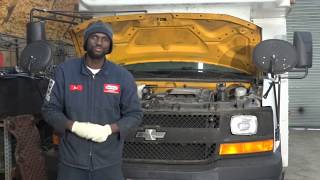
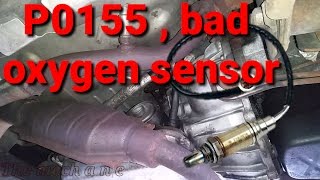
A failing oxygen sensor (also called an O2 sensor) is a common issue on workhorse vans like the Express 2500. When a sensor goes bad, it can't send accurate information to the engine's computer. This usually triggers the Check Engine Light on your dashboard. 🎬 Watch: How to diagnose and fix O2 sensor trouble codes Ignoring it can lead to bigger problems, like poor fuel mileage, a rough-running engine, and eventually, very expensive damage to your catalytic converters.
Common Symptoms of a Bad Oxygen Sensor:
- Check Engine Light: The most obvious sign, often with codes like P0135, P0155, or P0131.
- Worse Gas Mileage: The engine may use more fuel than necessary because the air/fuel mixture is incorrect.
- Rough Idle or Misfires: Your van might shake or stumble when stopped or at low speeds.
- Failed Emissions Test: An O2 sensor is a key part of the emissions system.
- Rotten Egg Smell: A rich fuel mixture can cause a sulfur-like smell from the exhaust.
Known Issue: Melted Wiring & Blown Fuses
Before you replace a sensor, check its wiring harness. On Express vans, the harness can sometimes touch the hot exhaust pipe and melt. This creates a short circuit, which often blows the O2 sensor fuse in the fuse box and triggers a heater circuit code. Always inspect the wiring and secure it away from the exhaust to prevent the new sensor from failing immediately.
Choosing the Right Aftermarket Oxygen Sensor

You don't have to buy the most expensive part from a dealership. High-quality aftermarket brands often provide the same performance for less money. Here’s how the common brands stack up for your Express van.
Tier 1: OEM & OEM-Equivalent
These brands are either the original equipment manufacturer for GM or have a reputation for matching that quality perfectly. For a critical part like an O2 sensor, these are your most reliable choices.
- ACDelco: This is GM's own parts brand. Choosing ACDelco guarantees a perfect fit and function, as it's the original part your van was built with.
- Denso & NGK (NTK): These Japanese companies are major OEM suppliers for automakers worldwide, including GM. Many users in forums report that the ACDelco part they removed was actually a re-branded Denso or NGK sensor. They offer OEM quality, often at a lower price.
- Delphi: Historically a primary GM parts supplier, Delphi is another solid choice with a long history of making quality electronics for these vehicles.
Tier 2: Reputable Aftermarket
These brands are well-known in the aftermarket and offer a good balance of quality and price. They are a significant step up from generic, no-name parts.
- Bosch: Bosch invented the modern oxygen sensor and is a massive global supplier. While their quality is generally high, some GM enthusiasts prefer to stick with ACDelco, Denso, or NGK, citing occasional compatibility issues.
- Walker Products: A long-standing name in exhaust and engine management parts, Walker offers reliable, direct-fit sensors.
Tier 3: Economy Options
These brands focus on providing the lowest possible price point. They can be a solution if the budget is tight, but may not offer the same longevity or precise calibration as higher-tier brands.
- Spectra & DriveWire: These brands offer functional replacements that will get the job done and turn off the check engine light, representing the budget-friendly end of the market.
| Tier | Brands | Best For |
|---|---|---|
| Tier 1 (OEM-Equivalent) | ACDelco, Denso, NGK, Delphi | Reliability, longevity, and guaranteed performance. |
| Tier 2 (Reputable Aftermarket) | Bosch, Walker Products | A good balance of proven quality and value. |
| Tier 3 (Economy) | Spectra, DriveWire | Meeting a tight budget for an immediate repair. |
2011 Model Year Recall
GM issued a voluntary emissions recall for some 2011 Chevrolet Express vans. Condensation from the exhaust could crack the Bank 2 (passenger side) oxygen sensors. The fix involved replacing both sensors on that side and reprogramming the engine computer. If you own a 2011 model and are getting O2 sensor codes, it's worth checking with a GM dealer to see if this recall work was performed on your van.
Frequently Asked Questions
How many oxygen sensors does my Express 2500 have?
V8 models (4.8L, 6.0L) from 2006-2011 have four oxygen sensors. There are two "upstream" sensors (before the catalytic converter) and two "downstream" sensors (after the catalytic converter). Each side of the engine, or "bank," has one of each.
What's the difference between upstream and downstream?
Upstream (Sensor 1): This sensor is the most important. It's located before the catalytic converter and is responsible for the fine-tuning of the air-fuel mixture. A bad upstream sensor will directly impact fuel economy and performance.
Downstream (Sensor 2): This sensor is located after the catalytic converter. Its main job is to monitor the converter's efficiency by comparing its reading to the upstream sensor. It confirms the converter is cleaning the exhaust properly.
Which sensor is Bank 1 vs. Bank 2?
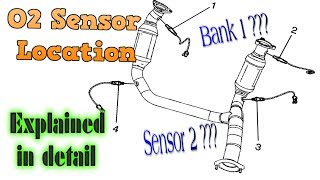
On a GM V8 engine, Bank 1 is the driver's side and Bank 2 is the passenger's side. So, a code for "Bank 2, Sensor 1" refers to the upstream (pre-cat) sensor on the passenger side 🎬 See this guide to help you locate the correct sensor of the van.
Should I replace all four sensors at once?
It's not always necessary. However, if your van has high mileage (over 80,000 miles) and one sensor fails, the others are likely near the end of their service life. To avoid future repairs, it's a common practice to replace them in pairs (both upstream or both downstream) or all four at once if the budget allows.
What tools do I need for the replacement?
The most important tool is a special oxygen sensor socket. It's a deep socket with a slot cut out for the sensor's wire. You will also likely need a ratchet with an extension, a breaker bar for stubborn sensors, and penetrating oil to spray on the old sensor a day before you try to remove it.
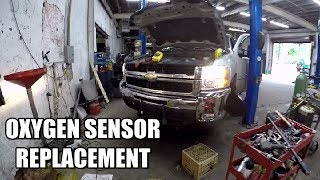
🎬 Watch a mechanic perform a step-by-step sensor replacement walkthroughHelpful Videos
Technical Specifications
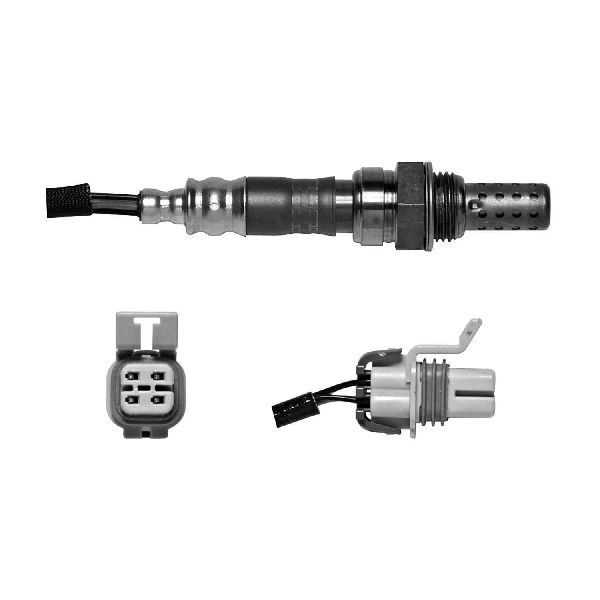
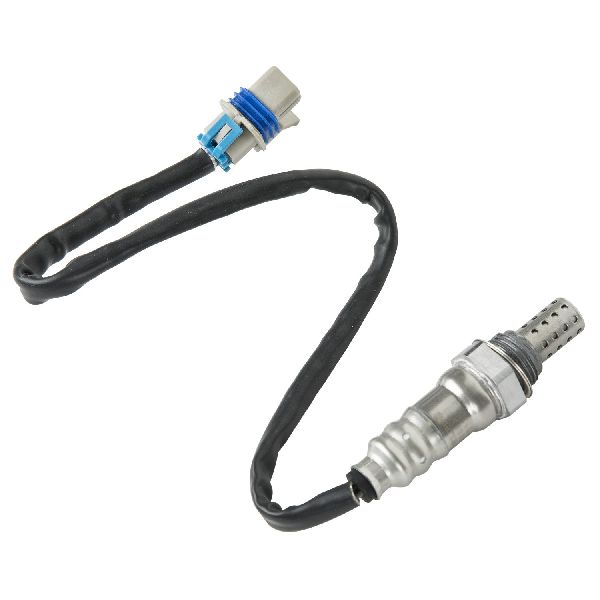
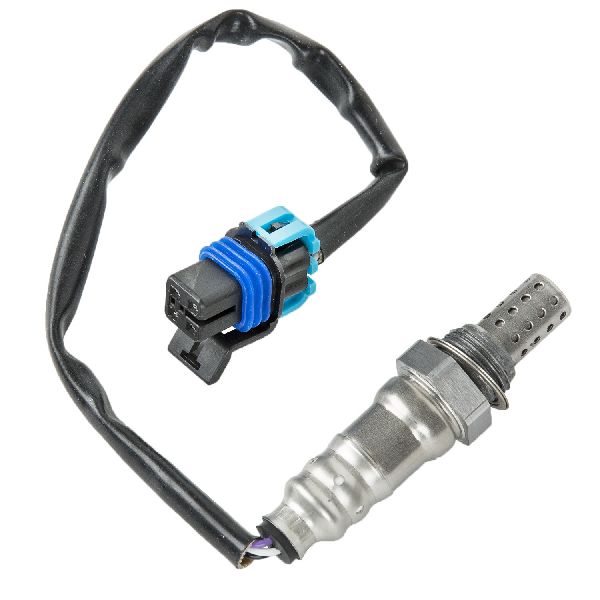
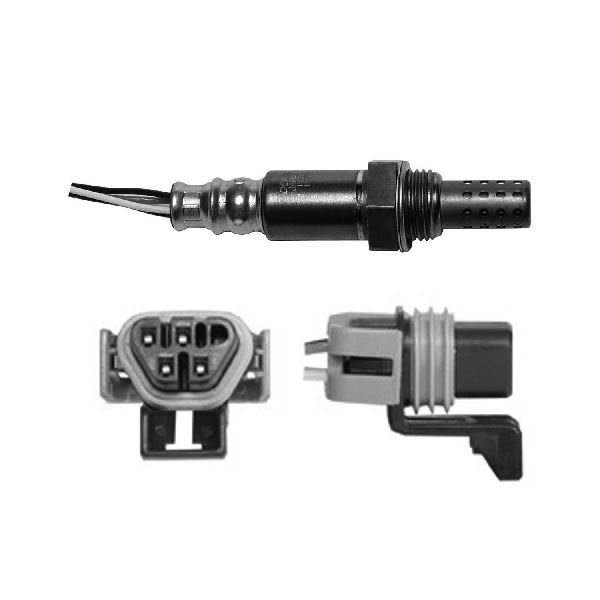
OEM Part Numbers: 12609949 12612571 12637297 12599204
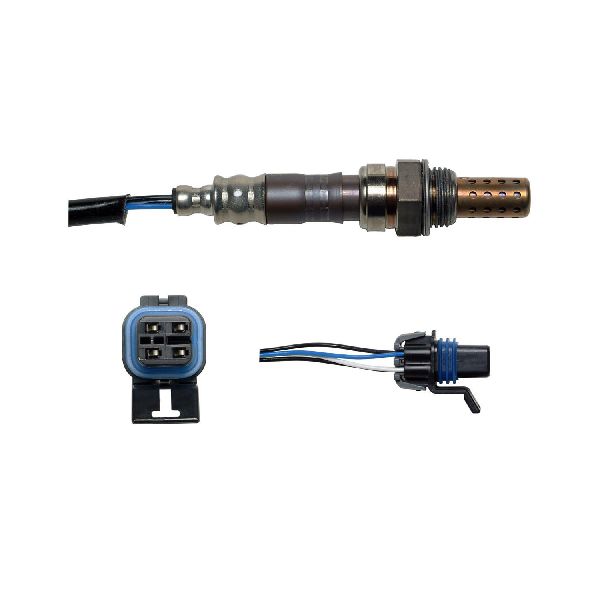
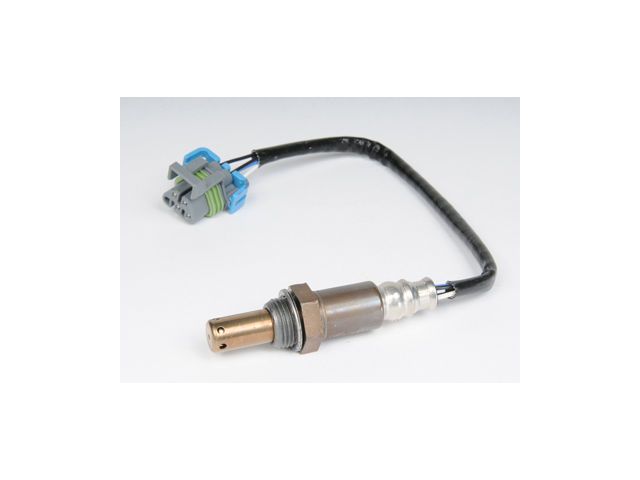
Your van uses four-wire heated oxygen sensors. The location (upstream or downstream) and bank (driver or passenger side) determine the correct part number, as wire length and connectors can vary. Always verify the part number for the specific location you are replacing.
We Have This Part in Stock

The information in this article is provided for general reference and educational purposes only. Vehicle specifications, procedures, and part compatibility can vary by production date, trim level, and region. Always consult your vehicle's factory service manual and verify part numbers before purchasing or performing repairs. Safety-critical components such as airbags, seat belts, and braking systems should be installed by a qualified professional.
- Chevrolet Express 2500:
- 🎬 Helpful Videos
- 🛍️ Shop This Part
- Is Your Van Trying to Tell You Something?
- Common Symptoms of a Bad Oxygen Sensor:
- Known Issue: Melted Wiring & Blown Fuses
- Choosing the Right Aftermarket Oxygen Sensor
- Tier 1: OEM & OEM-Equivalent
- Tier 2: Reputable Aftermarket
- Tier 3: Economy Options
- 2011 Model Year Recall
- Frequently Asked Questions
- 🎟️ Get 5% Off