

A Guide to the Manifold Absolute Pressure (MAP) Sensor for the 2006-2012 Honda Civic
If your 8th generation Civic is running poorly, hesitating, or using too much gas, a faulty MAP sensor could be the reason.
- Replacement is extremely easy and takes less than 15 minutes, making it a perfect DIY task.
- A bad MAP sensor directly impacts fuel economy; replacing it can pay for itself in fuel savings.
- Denso is an OEM supplier for Honda, making it a top-tier choice for an aftermarket replacement.
- Always check for simple issues like cracked vacuum hoses before buying a new sensor, as they can cause similar symptoms.
Is Your Civic's MAP Sensor Failing?

A failing Manifold Absolute Pressure (MAP) sensor can cause a range of noticeable problems in your 2006-2012 Civic. Because the sensor's data is critical for managing the engine's fuel and timing, an incorrect signal can throw everything off. You might notice one or more issues that gradually get worse over time.
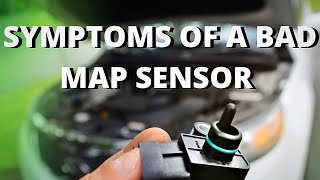
Common Symptoms of a Bad MAP Sensor:
- Poor Engine Performance: Your Civic might feel sluggish, hesitate, or stumble during acceleration. This happens because the engine isn't getting the right air-fuel mixture for the power you're demanding.
- Rough Idle: The engine may shake or vibrate more than usual when you're stopped. In some cases, it might even stall.
- Decreased Fuel Economy: One of the most common signs is needing to fill up your gas tank more often. A bad sensor can cause the engine to run "rich," meaning it's using more fuel than necessary.
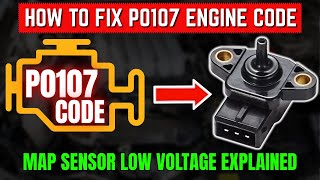
- Check Engine Light: A faulty MAP sensor will almost always trigger the Check Engine Light on your dashboard. Common trouble codes include P0105, P0106, P0107, P0108, and P1129.
- Black Smoke from Exhaust: If the engine is running very rich, you may see black smoke coming from the tailpipe, which is unburnt fuel. 🎬 Watch: 8 common symptoms of a bad MAP sensor
Pro Tip: Check for Vacuum Leaks First
Before you replace the MAP sensor, it's a good idea to check for any cracked or loose vacuum hoses connected to the intake manifold. A vacuum leak can cause symptoms identical to a bad MAP sensor and may even trigger the same error codes. A simple visual inspection could save you from buying a part you don't need.
🎬 See the easiest way to find engine vacuum leaksChoosing the Right Aftermarket MAP Sensor

For the 2006-2012 Civic, the original factory MAP sensor is a high-quality part, but aftermarket options can offer excellent value and performance. They generally fall into a few categories:
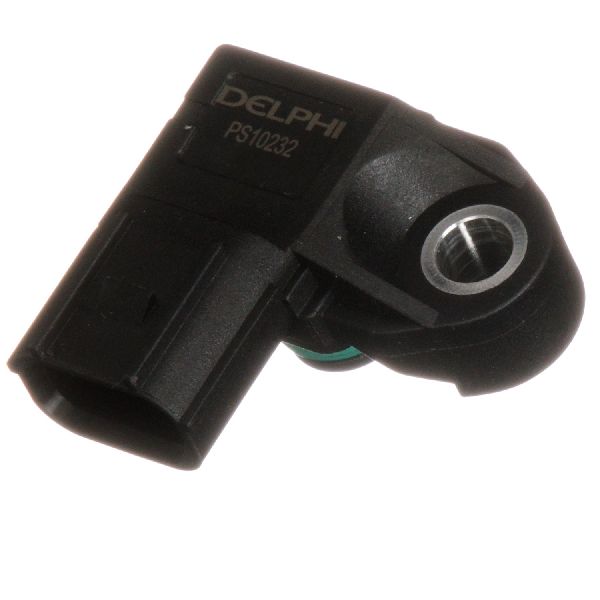
- OEM-Equivalent Brands (Denso, Delphi): Denso is a known original equipment manufacturer for Honda, meaning they made the part that came with your car from the factory. Choosing a Denso or Delphi sensor is the closest you can get to genuine OEM quality, ensuring perfect fit and reliable performance.
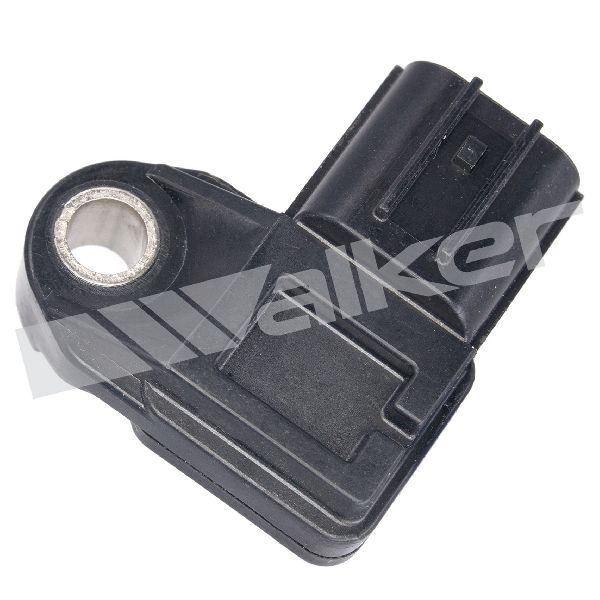
- Quality Aftermarket Brands (NGK, Standard Ignition, Hella, Walker): Brands like NGK have a strong reputation for producing sensors that meet or exceed original specifications. Standard Ignition (SMP) and Walker are also long-standing, reputable names in the aftermarket industry. These are solid choices that balance cost and quality.
- Performance Brands (Skunk2 Racing): If your Civic is modified with a turbocharger or supercharger, a standard MAP sensor won't work correctly. Brands like Skunk2 offer 4-bar MAP sensors designed to read positive pressure (boost). For a stock or lightly modified engine, this is unnecessary.
- Value-Oriented Brands (Global Parts, Holstein): These brands provide a functional replacement at a lower price point. While they may not have the same long-term durability or precise calibration as premium brands, they can be a good option for a budget-conscious repair.
MAP Sensor Replacement Cost
Replacing the MAP sensor on an 8th generation Civic is a simple and inexpensive job. The sensor is easy to access, making labor costs low if you take it to a shop.
| Part Type | Estimated Cost |
|---|---|
| New OEM | $70 - $100 |
| New Aftermarket | $25 - $116 |
| Shop Labor | $45 - $65 |
Frequently Asked Questions (FAQ)

Can I replace the Civic MAP sensor myself?
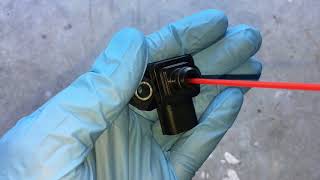
Yes, this is a great DIY job for beginners. The MAP sensor is located directly on the intake manifold, held in by a single 8mm bolt. You simply disconnect the electrical plug, remove the bolt, pull the old sensor out, and install the new one. The entire process takes less than 15 minutes. Remember to put a little clean engine oil on the new sensor's O-ring for a smooth installation.
🎬 Watch this DIY guide to clean or replace your sensorAre there any recalls for the 2006-2012 Civic MAP sensor?
No, there have been no specific recalls or Technical Service Bulletins (TSBs) issued by Honda or the NHTSA for the MAP sensor on the 2006-2012 Honda Civic.
What is the difference between a MAP and a MAF sensor?
Your Civic has both. The MAP (Manifold Absolute Pressure) sensor measures pressure in the intake manifold. The MAF (Mass Airflow) sensor measures the amount and temperature of air entering the engine right after the air filter. Both help the ECU manage the engine, but they are different parts with different functions and locations.
Will cleaning the MAP sensor fix it?
Sometimes, cleaning the sensor port can resolve an issue, but it is generally not recommended to spray cleaner directly into the sensor itself as it can damage the sensitive electronics. Given the low cost of a replacement part and the high probability that the sensor's electronics have failed, replacing it is usually the most effective and reliable solution.
Helpful Videos



Technical Specifications
OEM Part Numbers: 37830-RNA-A01
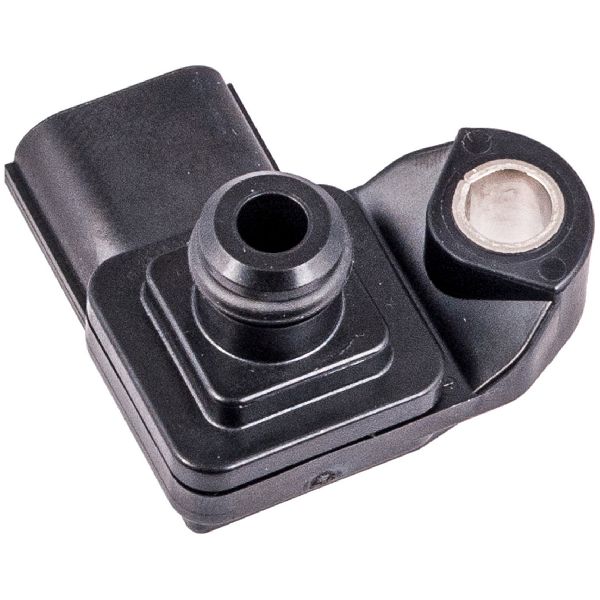
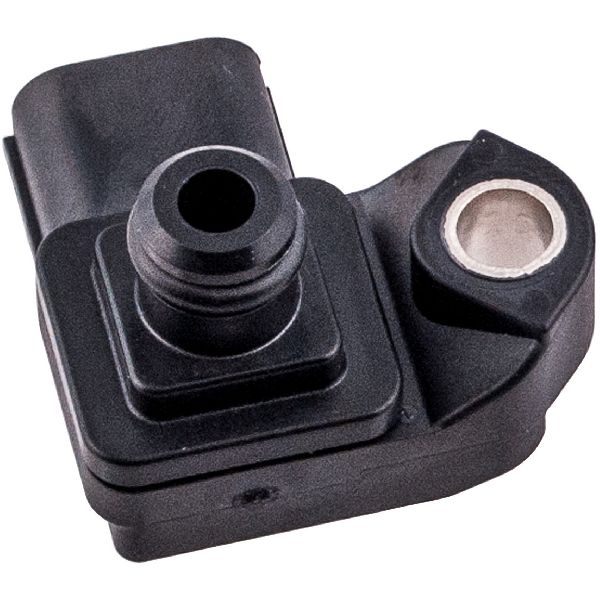
The MAP sensor for the 2006-2012 Honda Civic is typically a 3-pin sensor that mounts directly to the plastic intake manifold. It is secured with one 8mm bolt.
We Have This Part in Stock


The information in this article is provided for general reference and educational purposes only. Vehicle specifications, procedures, and part compatibility can vary by production date, trim level, and region. Always consult your vehicle's factory service manual and verify part numbers before purchasing or performing repairs. Safety-critical components such as airbags, seat belts, and braking systems should be installed by a qualified professional.
- Honda Civic: