

Ford Escape Brake Master Cylinder: A Guide for 2006-2013 Models
If your brake pedal feels spongy or sinks to the floor, your Escape's master cylinder is likely the cause.
- A spongy or sinking brake pedal is a critical symptom that requires immediate inspection.
- This part is NOT for Hybrid models; they use a different, more complex braking system.
- Bench bleeding the new master cylinder before installation is a mandatory step for a successful repair.
- Aftermarket brands like Raybestos and Centric offer a good balance of quality and value compared to the more expensive OEM Motorcraft part.
Is Your Ford Escape's Brake Master Cylinder Failing?

A failing brake master cylinder gives clear warning signs. The most common and serious symptom is a change in how your brake pedal feels. An internal failure allows fluid to bypass the seals, meaning the cylinder can't build or hold pressure correctly. Ignoring these signs is dangerous, as it can lead to a severe loss of braking power.
Key Symptoms of Failure
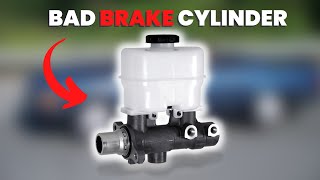
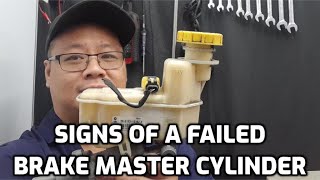
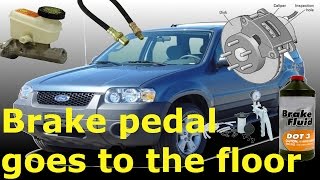
🎬 Watch: See these common master cylinder failure signs in action.- Spongy or Sinking Pedal: This is the number one sign. The pedal feels soft, mushy, or slowly sinks to the floor when you hold it down.
- Brake Warning Light: If the cylinder leaks internally or externally, the fluid level in the reservoir will drop, triggering the warning light on your dash.
- Dirty Brake Fluid: Fluid that looks dark or contaminated suggests the rubber seals inside the cylinder are breaking down and falling apart.
- Reduced Stopping Power: You'll notice it takes longer to stop because the cylinder isn't generating enough hydraulic force.
Warning for Hybrid Owners
The 2006-2013 Ford Escape Hybrid uses a completely different and more complex regenerative braking system. These models have known issues involving the master cylinder and a Hydraulic Control Unit (HCU). The parts discussed in this article are NOT compatible with Hybrid models. Always verify the part is for your specific non-hybrid drivetrain.
Known Issues, Recalls, and Service Bulletins

For the 2006-2013 non-hybrid Ford Escape, there are no active recalls from the National Highway Traffic Safety Administration (NHTSA) for the brake master cylinder itself. Searches did find a recall for the 2013 Escape related to carpet padding interfering with the brake pedal, but this is not a part failure. While other Ford trucks have had master cylinder recalls, the second-generation Escape is not part of them. Some owners report that even after replacing the master cylinder, the pedal can still feel soft due to air trapped in the ABS module. In some cases, this may require a special bleeding procedure or activating the ABS on a loose surface like gravel to purge the trapped air.
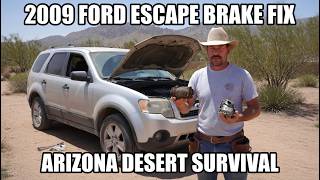
🎬 Watch: How to fix a soft pedal after replacing parts.Choosing the Right Aftermarket Master Cylinder

When shopping for a replacement, you have several good options that balance cost and quality. The original part is made by Motorcraft, Ford's own brand.
OEM vs. Aftermarket Quality
For a critical part like this, quality is key. While an OEM Motorcraft part is a guaranteed fit, high-quality aftermarket brands offer reliable performance for less money. Avoid remanufactured units if possible; new aftermarket parts are affordable and eliminate the risk of issues from a worn-out core.
- OEM-Tier (Motorcraft): The original part your Escape was built with. It meets Ford's durability specifications for a 10-year/150,000-mile service life. This is the most reliable, but also the most expensive choice.
- Premium Aftermarket (Raybestos, Centric): These are well-respected brands in the brake industry. They are engineered to match original equipment performance and are a trusted choice for daily drivers. Many professional mechanics use these brands.
- Standard Aftermarket (Dorman, Dynamic Friction): Dorman is known for re-engineering parts to fix common factory flaws. However, forum discussions suggest their quality can sometimes be inconsistent. These brands offer a cost-effective solution that meets basic requirements.
Pro Tip: Bench Bleed Your New Part
Before installing the new master cylinder, you must bench bleed it. This involves mounting it in a vise and using a kit (often included) to circulate brake fluid through it until all air bubbles are gone. Skipping this step will make it nearly impossible to get a firm brake pedal later.
Replacement Cost for a 2006-2013 Ford Escape

The cost to replace the master cylinder depends on whether you do it yourself or use a repair shop. The part itself is affordable, but labor can add a significant amount to the total.
| Part / Service | Estimated Cost |
|---|---|
| New Aftermarket Part | $87 - $165 |
| Shop Labor | $250 - $370 |
| Total Professional Replacement | $455 - $645 |
Frequently Asked Questions (FAQ)
Is it hard to replace the master cylinder on a 2006-2013 Escape?
For a DIYer, it is a moderately difficult job. It requires removing the battery, battery tray, and air filter housing to get access to the master cylinder at the firewall. You will also need to bleed the entire brake system afterward. It is doable for someone with mechanical experience, but because it's a critical safety system, beginners should leave it to a professional.
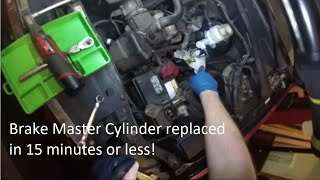
🎬 See this step-by-step walkthrough of the master cylinder replacement.What's the difference between a bad master cylinder and a bad brake booster?
A bad master cylinder usually causes a soft, spongy, or sinking brake pedal. A bad brake booster, which provides power assist, typically causes an extremely hard and difficult-to-press brake pedal.
Do I have to bleed the brakes after replacing the master cylinder?
Yes, absolutely. After installing the new, bench-bled master cylinder, you must bleed the entire brake system to remove any air that entered the lines. Start at the wheel farthest from the master cylinder (usually the rear passenger side) and work your way closer.
My pedal is still spongy after replacing the master cylinder and bleeding the brakes. What's wrong?
This usually means there is still air trapped somewhere in the system. The most likely place is the ABS module. You may need to perform the bleeding procedure again. Some mechanics suggest driving on a safe, low-traction surface like gravel and braking hard to activate the ABS, which can help push the trapped air out of the module, and then bleeding the brakes one more time.
Helpful Videos
Technical Specifications
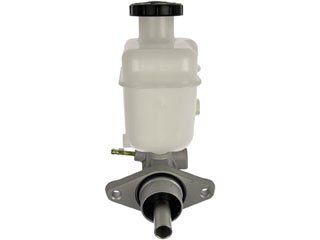
OEM Part Numbers: BRMC118 8A8Z2140A
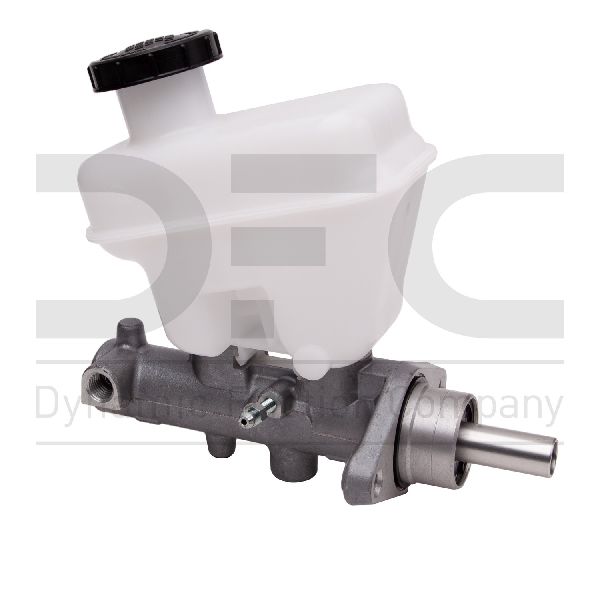
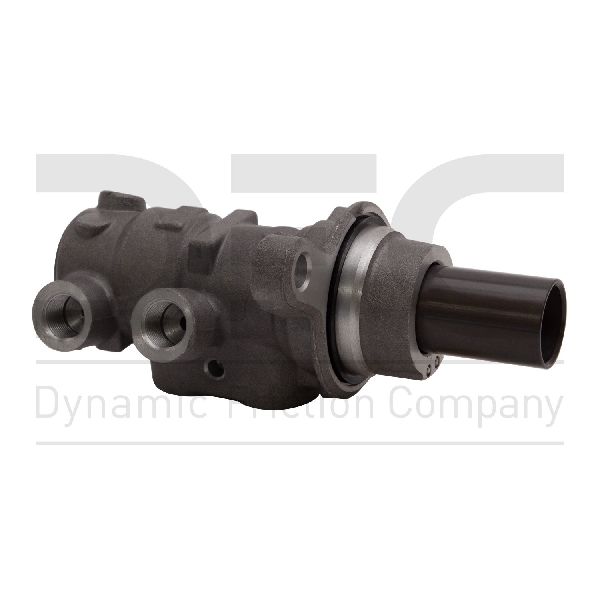
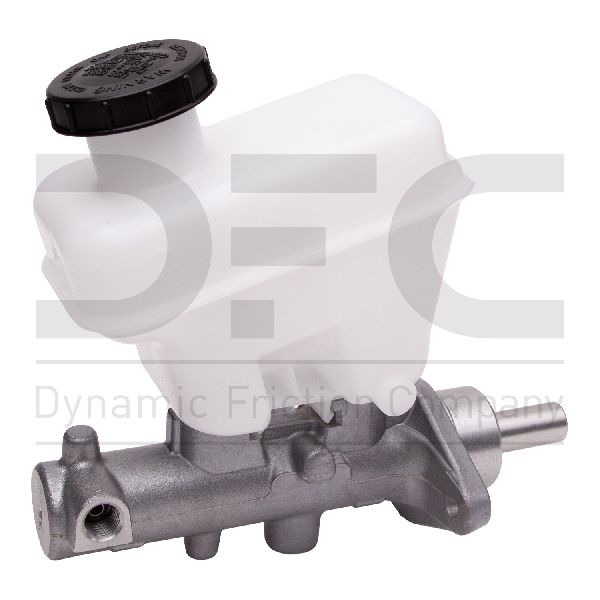
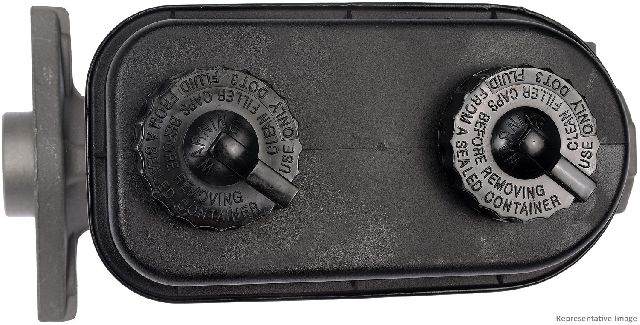
Bore Size: 1.063 inches. Material: Cast Iron or Aluminum (varies by specific part number). Comes with fluid reservoir.
We Have This Part in Stock

The information in this article is provided for general reference and educational purposes only. Vehicle specifications, procedures, and part compatibility can vary by production date, trim level, and region. Always consult your vehicle's factory service manual and verify part numbers before purchasing or performing repairs. Safety-critical components such as airbags, seat belts, and braking systems should be installed by a qualified professional.
- Ford Escape:
- 🎬 Helpful Videos
- 🛍️ Shop This Part
- Is Your Ford Escape's Brake Master Cylinder Failing?
- Key Symptoms of Failure
- Warning for Hybrid Owners
- Known Issues, Recalls, and Service Bulletins
- Choosing the Right Aftermarket Master Cylinder
- OEM vs. Aftermarket Quality
- Pro Tip: Bench Bleed Your New Part
- Replacement Cost for a 2006-2013 Ford Escape
- Frequently Asked Questions (FAQ)
- 🎟️ Get 5% Off