

Chevrolet Corvette C6 Automatic Transmission Mount: A Complete Guide (2006-2014)
Stop the clunks and vibrations in your C6 Corvette by choosing the right transmission mount.
- A clunking noise when shifting or accelerating is the most common sign of a bad transmission mount on a C6 Corvette.
- You must choose between a comfortable rubber mount (Anchor, DEA, Westar) or a harsh but high-performance polyurethane mount (AFE).
- Performance mounts from brands like AFE will significantly increase cabin noise and vibration but offer superior durability and drivetrain control.
- While a DIY replacement is possible, accessing the top mount bolts can be challenging and requires safely supporting the transaxle.
Is Your Corvette's Transmission Mount Failing?
The factory transmission mount on the C6 Corvette is made of rubber, designed to give you a comfortable, quiet ride. However, over time and with exposure to heat, this rubber can crack, tear, or collapse. Hard launches and added horsepower can make them fail even faster. When the mount wears out, it can no longer hold the transaxle securely, leading to several noticeable problems.
Common Symptoms of a Bad Mount:
- Clunking or Banging Noises: This is the most common sign. You may hear a loud clunk or bang when you shift from Park to Drive, accelerate hard, or brake suddenly. This noise is the sound of the loose transaxle assembly moving and hitting against the car's chassis.
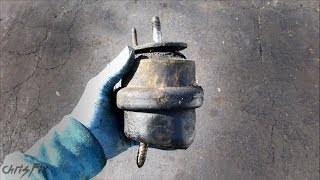
- Excessive Vibrations: If you feel new or unusual vibrations through the floor, seat, or steering wheel, a bad mount could be the cause. The worn rubber can no longer absorb the normal vibrations of the drivetrain. 🎬 Watch: How to diagnose a bad motor or transmission mount
- Rough Shifting: A failing mount can cause the transaxle to become misaligned. This may lead to harsh shifts, difficulty engaging gears, or a general feeling that the drivetrain is loose.
Don't Ignore a Bad Mount
Continuing to drive with a failed transmission mount can cause more than just annoying noises. The excessive movement can put stress on other expensive parts, including the driveshaft, CV joints, and even the transmission housing itself. Addressing the issue early is the smartest and cheapest option.
Choosing the Right Aftermarket Mount
When replacing the transmission mount on your Corvette, you have two main paths: a standard rubber replacement for factory comfort or a performance-oriented polyurethane mount for improved response. Your choice depends on how you use your Corvette.
Brand Tiers for C6 Corvette
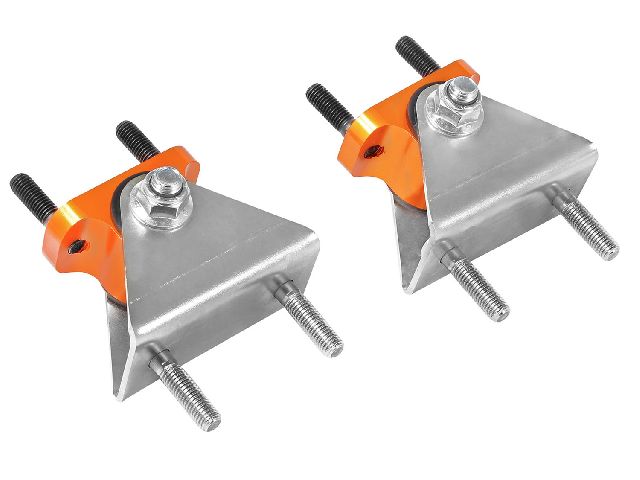
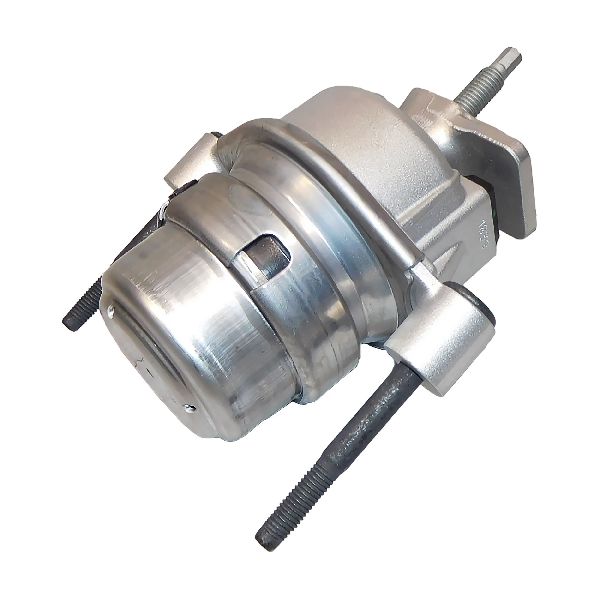
- Performance Tier (AFE Filters): The AFE (PFADT Series) mount is a top-tier performance upgrade. It uses stiff polyurethane bushings and machined aluminum to almost completely eliminate drivetrain movement. This is ideal for track use or high-horsepower street cars. Be aware: this type of mount will significantly increase the noise and vibration you feel inside the car. It is also the most expensive option by a large margin.
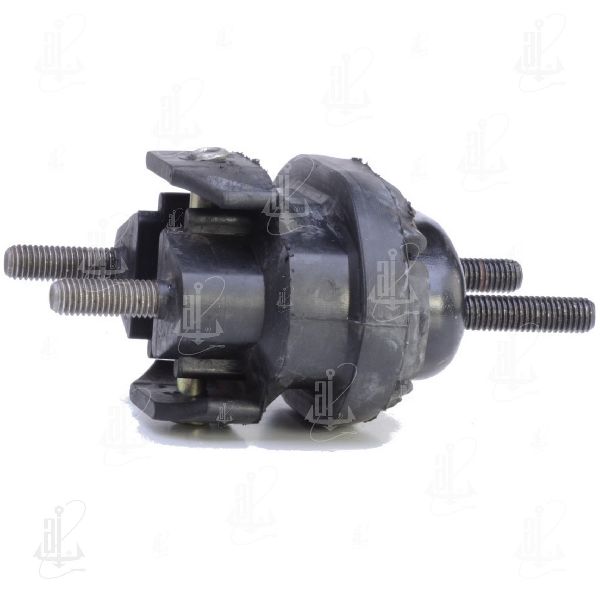
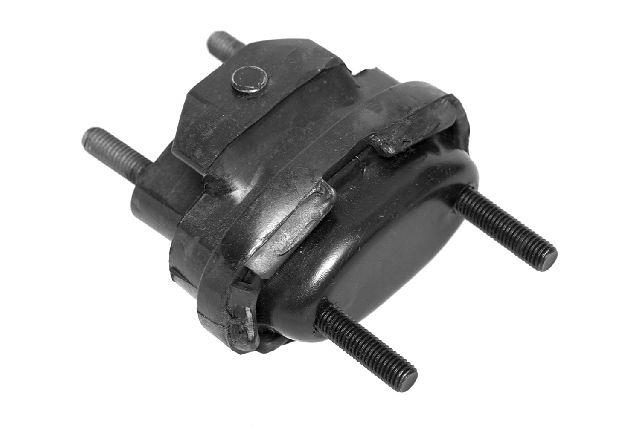
- Standard Replacement Tier (Anchor, DEA, Westar): These brands offer affordable, OE-style rubber mounts designed to restore the factory ride. They are a budget-friendly choice for daily drivers where comfort is the priority. While functional, online forums for various vehicles suggest that the quality and longevity of these brands may not match the original OEM part.
Pro Tip: Match Your Mounts
If you decide on a performance transmission mount, it's a good idea to also upgrade your engine mounts to a similar material (polyurethane). Mixing soft rubber engine mounts with a stiff polyurethane transmission mount can put uneven stress on the drivetrain components.
🎬 See this walkthrough for installing performance polyurethane mountsCost of Replacement
The cost can vary widely based on the brand you choose and whether you do the work yourself. Performance mounts are significantly more expensive than standard replacements.
| Part Type | Estimated Cost |
|---|---|
| New Aftermarket (Standard) | $70 - $120 |
| New Aftermarket (Performance) | $450 - $660+ |
| Shop Labor | $120 - $250 |
Frequently Asked Questions
Is replacing a Corvette transmission mount a DIY job?
Yes, for an experienced DIY mechanic. The job requires safely lifting the vehicle, supporting the transaxle with a jack, and working in a tight space. Accessing the top bolts can be tricky. If you are not comfortable working under your vehicle, it's best to leave this job to a professional. It typically takes a shop 1-2 hours.
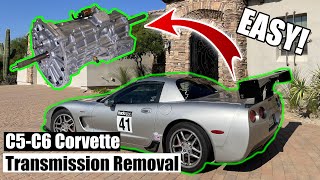
🎬 Watch this tutorial on how to access the Corvette transmissionWill a performance mount make my car ride rough?
Yes. Performance mounts use polyurethane, which is much harder than rubber. This stiffness is great for reducing drivetrain movement, but it also transmits much more noise and vibration into the cabin. This is a trade-off you must be willing to accept for the performance benefit.
Do I need to replace my engine mounts at the same time?
It's not required, but it is highly recommended, especially if they are the original mounts. The engine and transmission mounts work together to support the drivetrain. If one has failed due to age and wear, the others are likely not far behind. Replacing them all at once ensures the entire system is stable.
Are there any recalls for the C6 Corvette transmission mount?
No. Searches of the National Highway Traffic Safety Administration (NHTSA) database show no safety recalls for the automatic transmission mount on the 2006-2014 Chevrolet Corvette.
Helpful Videos
Technical Specifications
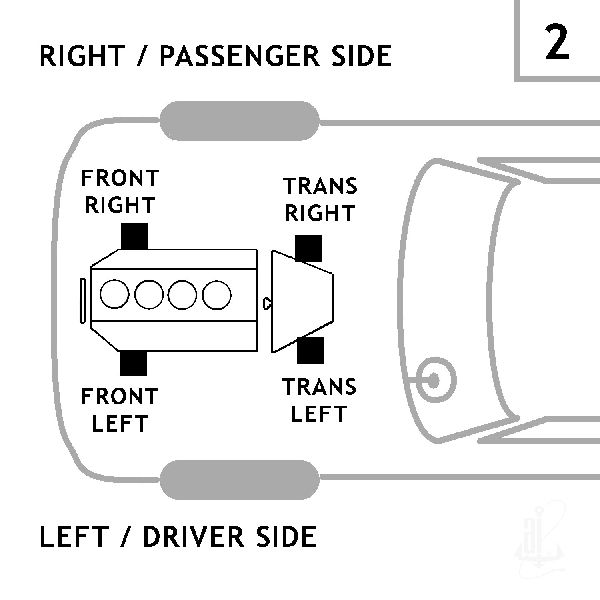
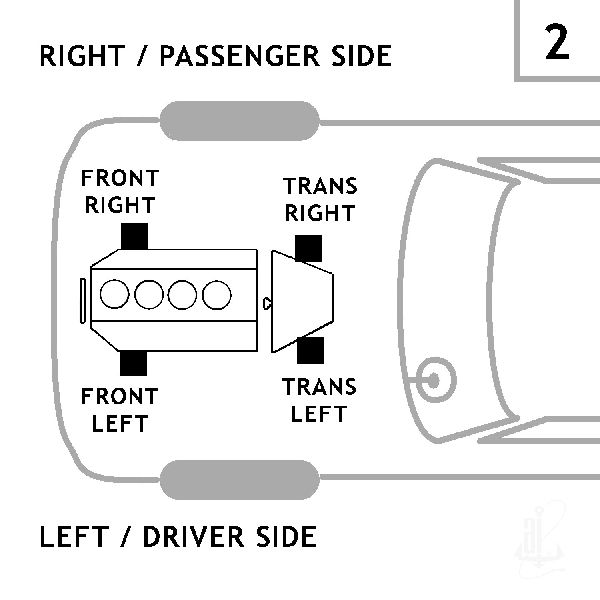
The C6 Corvette uses two individual transmission mounts that connect the rear transaxle/differential assembly to the rear subframe.
We Have This Part in Stock

The information in this article is provided for general reference and educational purposes only. Vehicle specifications, procedures, and part compatibility can vary by production date, trim level, and region. Always consult your vehicle's factory service manual and verify part numbers before purchasing or performing repairs. Safety-critical components such as airbags, seat belts, and braking systems should be installed by a qualified professional.
- Chevrolet Corvette: