

Audi A6 (2006-2015) Engine Oil Level Sensor: A Guide for Owners
Understanding the critical role of the oil level sensor in your A6 and how to choose the right replacement.
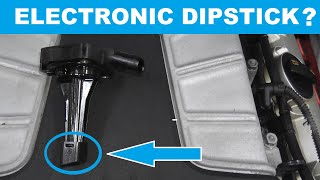
- Your A6 relies on this electronic sensor to check oil; it likely does not have a physical dipstick.
- A dashboard warning usually means the sensor is bad, not that the oil is low, but you lose the ability to check.
- Replacement is best done during an oil change, as the oil must be drained to access the sensor.
- Choosing a quality aftermarket brand like Hella is a reliable, cost-effective alternative to an expensive OEM part.
Why is the Engine Oil Level Sensor so Important on my A6?


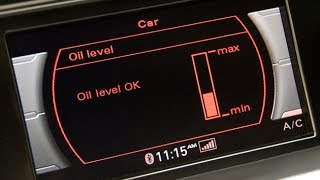
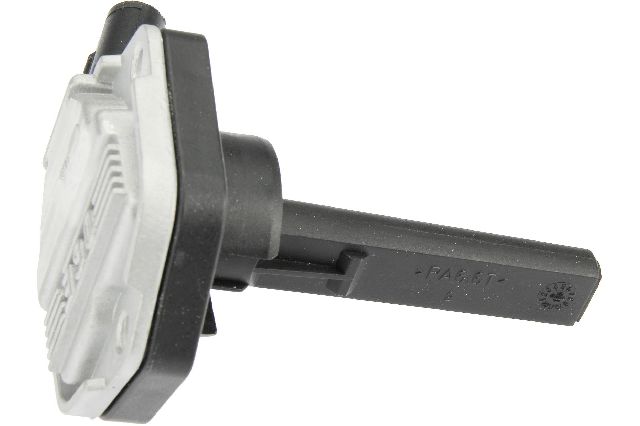
Unlike many cars that have a simple metal dipstick, your Audi A6 likely uses an electronic system to check the oil. The Engine Oil Level Sensor, located at the bottom of the oil pan, is the heart of this system. It constantly measures the oil level and temperature, sending this information to your dashboard and MMI screen. If this sensor fails, you will lose the ability to see your oil level, which can be dangerous. Driving with low oil can cause severe engine damage.
Primary Failure Symptom: Dashboard Warning Light
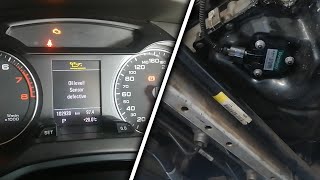
The most common sign of a bad sensor is a yellow "Oil Level Sensor Malfunction" or "Oil Minimum" warning light on your instrument cluster. You may also find that the oil level display in your MMI is unavailable or shows an error message. In some cases, a faulty sensor can trigger the Check Engine Light.
Choosing the Right Aftermarket Sensor

When replacing this critical part, quality matters. While OEM (Original Equipment Manufacturer) parts from an Audi dealer are an option, high-quality aftermarket brands offer a reliable and more affordable alternative. For a sensitive electronic part on a German vehicle, it's wise to avoid the cheapest options.
- Top Tier (OEM Supplier): Hella is a well-regarded brand and often the original supplier for Audi's electronic parts. Choosing Hella is the closest you can get to the original part without the dealer price tag. It is considered a top choice for reliability.
- Mid-Tier (Good Value): Brands like Vemo and Standard Ignition (SMP) offer a balance of quality and cost. They are established aftermarket manufacturers that produce reliable components.
- Economy Tier (Use with Caution): URO Parts and Global Parts are generally more budget-friendly. While some URO parts are good, their quality can be inconsistent for electronic components. For a sensor this critical, it's generally recommended to invest in a higher-tier brand to avoid premature failure and potential issues.
Pro Tip: Check the Wiring First
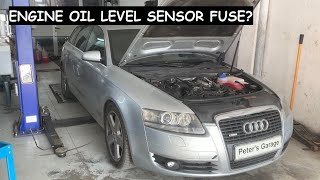
🎬 Check this video to locate the sensor's fuse and relay.Before replacing the sensor, inspect the wiring and connector. The sensor is located on the bottom of the engine and is exposed to road debris and heat. A corroded connector or damaged wire can cause the same symptoms as a failed sensor and is a much cheaper fix.
Replacement Cost
Replacing the oil level sensor is often done during an oil change, as the engine oil must be drained to access it.
| Part/Service | Estimated Cost |
|---|---|
| New Aftermarket Sensor | $61 - $237 |
| Shop Labor | $100 - $200 |
| Total Estimated Cost | $161 - $437 |
Note: Costs are estimates and will vary based on your location, the specific part chosen, and your mechanic's labor rates. Labor is often less if combined with an oil change.
Frequently Asked Questions (FAQ)

Can I drive with a bad oil level sensor?
You can, but it's not recommended. A faulty sensor means you cannot verify your oil level. If your engine develops an oil leak or consumes oil, you won't know until it's dangerously low, which can lead to catastrophic engine failure. It's best to get it replaced soon.
Is this a difficult DIY job?
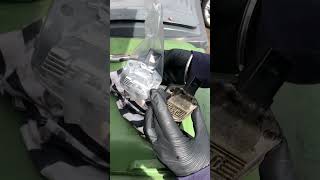
For an experienced DIYer, this is a straightforward job. The sensor is located on the bottom of the oil pan and held by three small bolts. 🎬 Watch this step-by-step guide on replacing the sensor yourself. The main challenge is that you must drain the engine oil to replace it, making it a perfect task to do during your next oil change. If you are not comfortable draining oil and working under your vehicle, it's best to leave it to a professional.
Why did the warning light come on even though my oil level is fine?
This is the classic symptom of a failed sensor. The sensor itself is malfunctioning and sending an incorrect signal to the car's computer, triggering the warning light even when the oil level is correct. Audi has issued Technical Service Bulletins (TSBs) for this exact issue on some models, indicating a known problem with the sensor.
My mechanic replaced the sensor, but the light is still on. What now?
First, ensure the wiring and connector are clean and secure. Sometimes, the car's computer system needs to be reset or adapted to the new sensor. On some models, the hood latch sensor must also function correctly, as the system uses the hood opening and closing as part of its logic to reset the oil level reading.
🎬 See how a faulty hood latch can prevent sensor resets.Helpful Videos

Technical Specifications
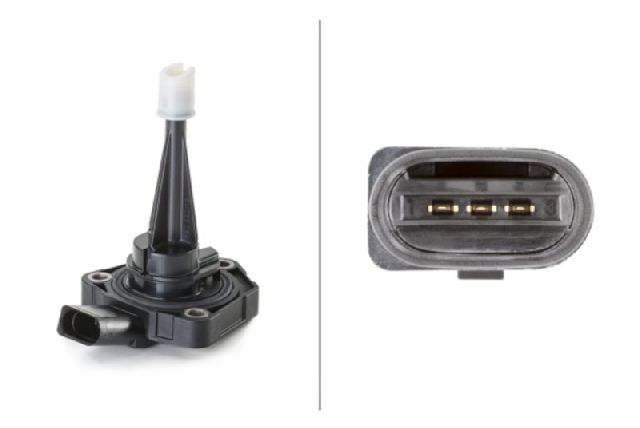
OEM Part Numbers: 03C907660R 03C907660S 1J0907660B 03C907660H
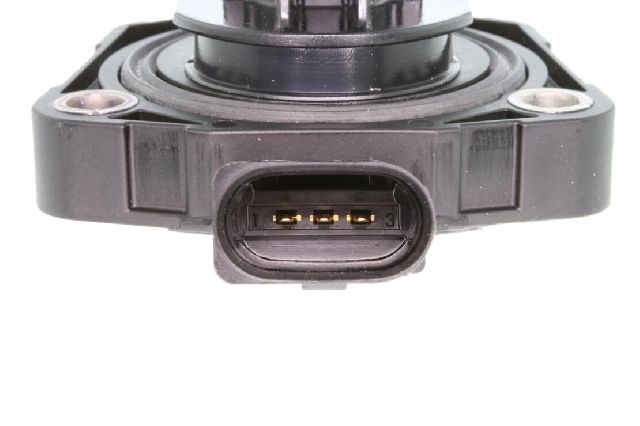
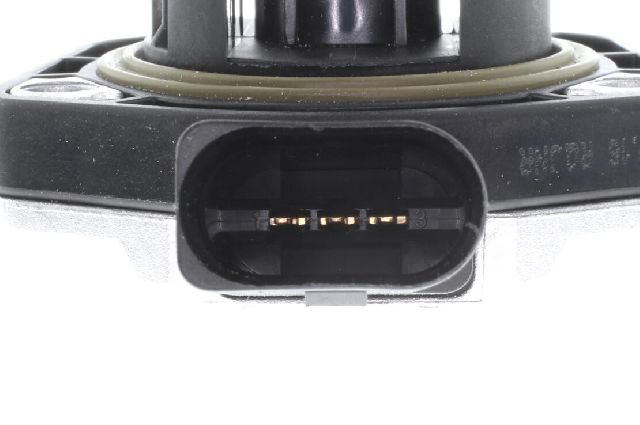
Located on the bottom of the engine oil pan, typically secured with three bolts and a single electrical connector. The sensor requires the oil to be drained for replacement.
We Have This Part in Stock


The information in this article is provided for general reference and educational purposes only. Vehicle specifications, procedures, and part compatibility can vary by production date, trim level, and region. Always consult your vehicle's factory service manual and verify part numbers before purchasing or performing repairs. Safety-critical components such as airbags, seat belts, and braking systems should be installed by a qualified professional.
- Audi A6: