

Engine Camshaft Position Sensor for the 2007 Chevrolet Silverado 1500 Classic
Fix your truck's rough idle, stalling, or starting problems by understanding and replacing a faulty camshaft position sensor.
- Symptoms of a bad sensor include a check engine light (P0340, P0341), hard starting, stalling, and poor acceleration.
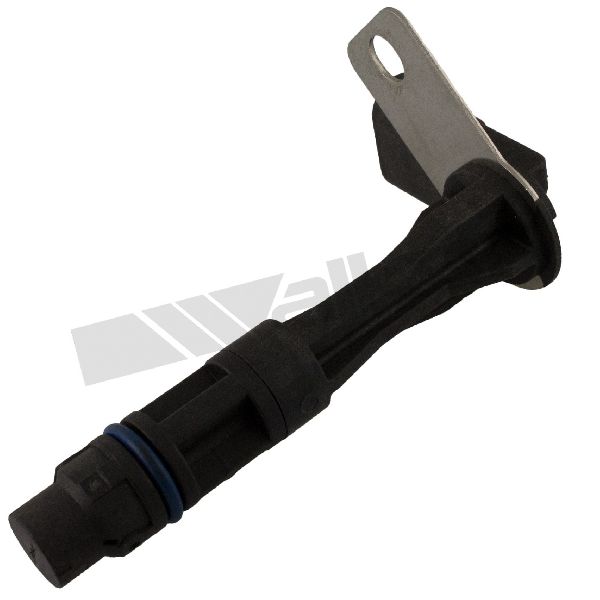
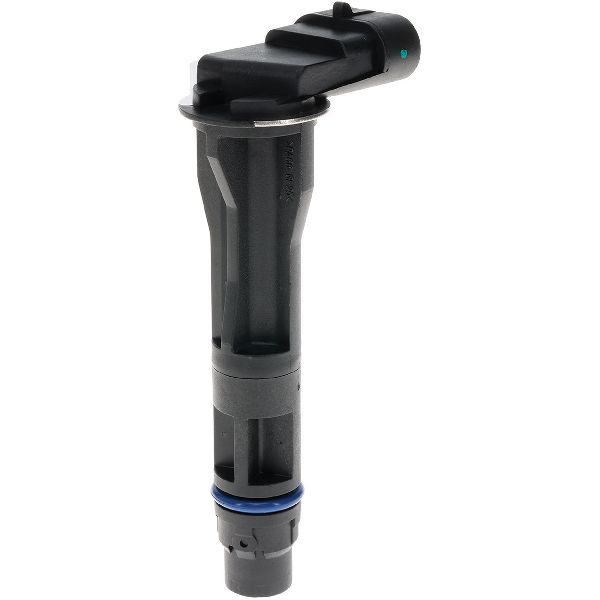
- The sensor is located at the back of the engine and is known to seize, often breaking during removal.
- For a difficult-to-access part like this, using a high-quality brand like Delphi or ACDelco is strongly recommended to ensure reliability.
- Ignoring a failing sensor can lead to being stranded or the engine stalling in traffic.
Is Your 2007 Silverado 1500 Classic Running Rough?
If your truck is suddenly hard to start, idling poorly, or stalling, a failing camshaft position sensor could be the culprit. This sensor is a common failure point that can cause a variety of engine performance problems. Recognizing the symptoms early can save you from being stranded.
Symptoms of a Bad Camshaft Position Sensor
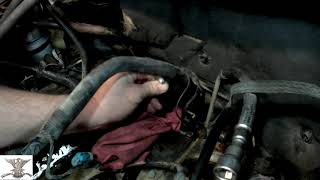
- Check Engine Light: This is often the first and most obvious sign. The computer will store a trouble code, most commonly P0340 or P0341. 🎬 Watch: Troubleshooting camshaft circuit codes and diagnostic steps.
- Hard Starting: The engine may crank longer than usual before it starts, or it may not start at all.
- Stalling and Rough Idle: The engine might run rough, misfire, or shut off unexpectedly while you're driving or stopped.
- Poor Acceleration: You may notice a significant lack of power when you press the gas pedal.
- Decreased Fuel Economy: When the engine's timing is off, it burns more fuel than it should.
A Common and Frustrating Replacement Issue
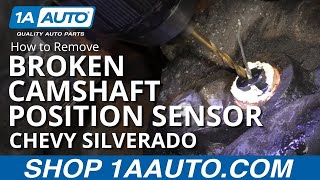
The camshaft position sensor on the 2007 Silverado 1500 Classic is located at the top rear of the engine block, behind the intake manifold. Due to its location and exposure to heat cycles, the sensor's O-ring can cause it to seize inside the engine block from corrosion. During removal, the plastic sensor can break, leaving the lower portion stuck in the block. Extracting the broken piece can be very difficult and may require special tools like slide hammers or even drilling, turning a simple job into a major headache. 🎬 See how to remove a broken sensor from the block. Applying penetrating oil beforehand and twisting carefully during removal is highly recommended.
Choosing the Right Aftermarket Sensor
When it comes to electronic sensors, quality matters. While saving money is tempting, a cheap, unreliable sensor can fail quickly, forcing you to do this difficult job all over again. Here’s a breakdown of the brands available:
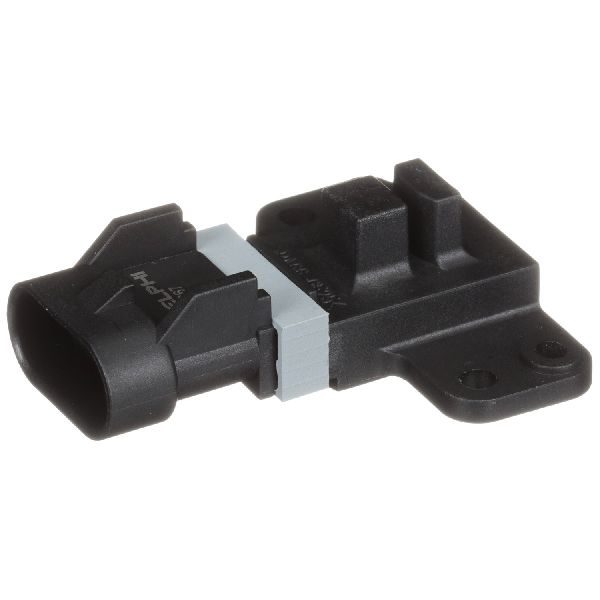
- OEM-Equivalent Brands (Recommended): Delphi is a GM original equipment supplier, and their parts are considered to be of the same quality as the factory part. ACDelco is GM's own parts brand. For a hard-to-reach part like this, choosing one of these brands is your best bet for reliability and fit.
- Premium Aftermarket Brands: Brands like Standard Ignition (SMP), NGK, and Hitachi have a strong reputation for producing quality electronic components that meet or exceed OEM specifications. They are a solid choice if an OEM-equivalent part is not available.
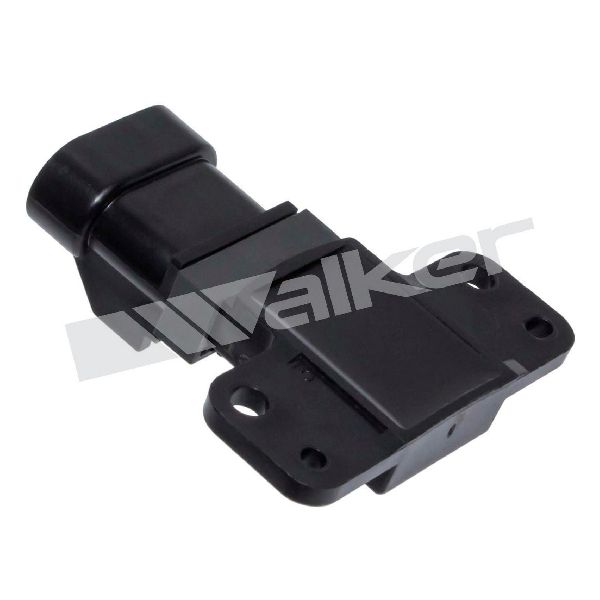
- Standard Aftermarket Brands: Brands like Dorman, Walker Products, and others offer a budget-friendly option. However, for critical and hard-to-access sensors, some professional mechanics and experienced owners report a higher chance of premature failure. Consider these if budget is the primary concern and you are aware of the potential risk.
Pro Tip: Before installing the new sensor, apply a thin coat of clean engine oil or silicone grease to the new O-ring. This will help it slide into place and make removal easier in the future. Also, take a moment to clean the sensor bore in the engine block with a rag or wire brush to remove any corrosion or debris.
Cost to Replace the Camshaft Position Sensor
| Part Type | Estimated Cost |
|---|---|
| New Aftermarket Part | $24.35 - $74.90 |
| Shop Labor | $100 - $250 |
| Total Estimated Cost | $125 - $325 |
Note: Labor costs can vary significantly based on your location and whether the old sensor is seized and requires extra time for removal.
Frequently Asked Questions
Can I still drive my Silverado with a bad camshaft sensor?
You might be able to, but it is not recommended. The most significant risks are the engine stalling in traffic, which is a major safety hazard, or the truck not starting at all, leaving you stranded.
Is this a difficult DIY job?
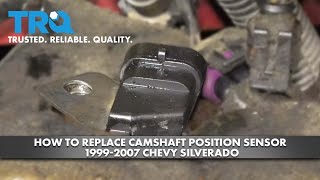
The job's difficulty ranges from easy to very hard. If the sensor comes out without breaking, it's a simple one-bolt replacement, though access is tight. 🎬 Watch this step-by-step guide for a successful sensor replacement. If the sensor breaks off in the block, the difficulty increases dramatically and may require special tools and significant effort to remove the broken piece.
Are there any recalls for this part?
No. Searches of the National Highway Traffic Safety Administration (NHTSA) database did not find any recalls for the camshaft position sensor on the 2007 Chevrolet Silverado 1500 Classic.
What tools do I need to replace the sensor?
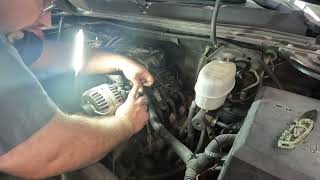
At a minimum, you will need a ratchet with a long extension and a 10mm socket. It is also wise to have pry bars, pliers, and penetrating oil on hand in case the sensor is stuck. If it breaks, you may need a drill, screws, and a slide hammer.
Helpful Videos
Technical Specifications
OEM Part Numbers: 12591720 12561211
This is a 3-pin Hall Effect sensor typically held in by a single 10mm bolt.
We Have This Part in Stock


The information in this article is provided for general reference and educational purposes only. Vehicle specifications, procedures, and part compatibility can vary by production date, trim level, and region. Always consult your vehicle's factory service manual and verify part numbers before purchasing or performing repairs. Safety-critical components such as airbags, seat belts, and braking systems should be installed by a qualified professional.
- Chevrolet Silverado 1500 Classic: