

Saturn Sky Manifold Absolute Pressure (MAP) Sensor: A Comprehensive Guide (2007-2010)
Resolving poor engine performance and check engine light issues in your 2007-2010 Saturn Sky starts with understanding the MAP sensor.
- A failing MAP sensor commonly causes a P0106 check engine light code, rough idle, and poor acceleration.
- The 2.0L Turbo Red Line model has two MAP sensors; diagnose the correct one before buying a replacement.
- Replacement is very easy for a DIYer and requires minimal tools, saving on labor costs.
- For the turbo engine, using a high-quality aftermarket brand like Bosch, Delphi, or Standard Ignition is strongly recommended for reliability.
Understanding MAP Sensor Issues in Your Sky
If your Saturn Sky is running rough, hesitating, or has the check engine light on, a faulty Manifold Absolute Pressure (MAP) sensor could be the culprit. This sensor is a key player in how your engine performs, and when it fails, it can cause a range of noticeable problems. This guide will walk you through identifying symptoms, choosing the right replacement part, and understanding the costs involved for your 2007-2010 Saturn Sky.
Important Note for 2.0L Turbo Red Line Owners
The 2.0L Turbo LNF engine in the Sky Red Line uses two pressure sensors that are often both referred to as MAP sensors. One is located on the intake manifold (lower MAP) and the other is on the charge pipe before the throttle body (upper MAP/boost sensor). They are often the same part but measure pressure at different points. It is critical to diagnose which sensor has failed before ordering a replacement.
🎬 See this walkthrough for fixing sensors on the turbo engine.Symptoms of a Failing MAP Sensor
A bad MAP sensor sends incorrect information to the engine's computer, leading to a poor air-fuel mixture. Here are the most common signs:
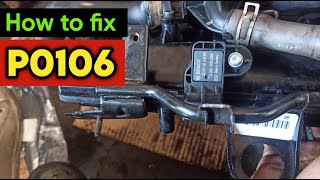
- Check Engine Light: This is the most common symptom. The code is often P0106, which points to a MAP sensor performance issue. 🎬 Watch: Learn more about P0106 symptoms and circuit testing.
- Poor Engine Performance: You may feel sluggish acceleration, hesitation, or a general lack of power.
- Rough Idle: The engine may shake, run unevenly, or stall when you're stopped.
- Bad Fuel Economy: An incorrect air-fuel mixture means your engine isn't running efficiently, causing you to use more gas.
- Black Smoke from Exhaust: This indicates the engine is running too rich (too much fuel), which can be caused by a faulty MAP sensor reading.
Choosing the Right Aftermarket MAP Sensor
While an OEM part from a dealer is always an option, the aftermarket offers a wide range of quality parts for your Saturn Sky. Here’s how to choose:
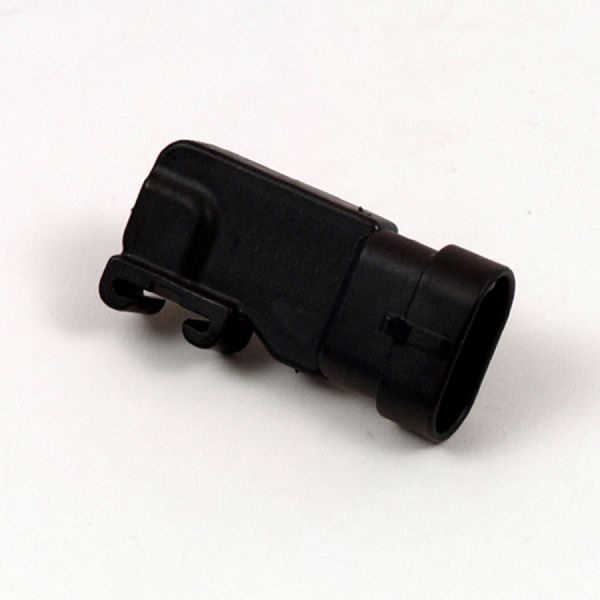
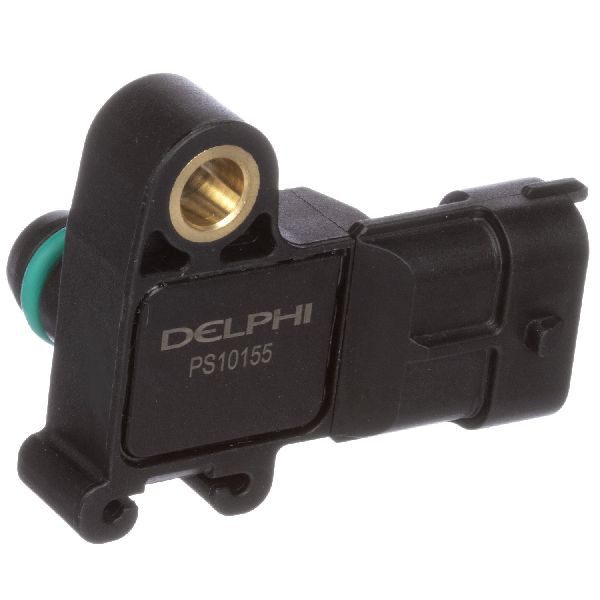
- Premium Aftermarket (OEM-Quality): Brands like Bosch and Delphi are often the original equipment manufacturers for GM. Choosing one of these brands gives you OEM-level quality, fit, and reliability. Standard Ignition (SMP) and NGK/NTK are also highly respected brands known for producing dependable sensors. For the 2.0L Turbo engine, sticking to these top-tier brands is highly recommended.
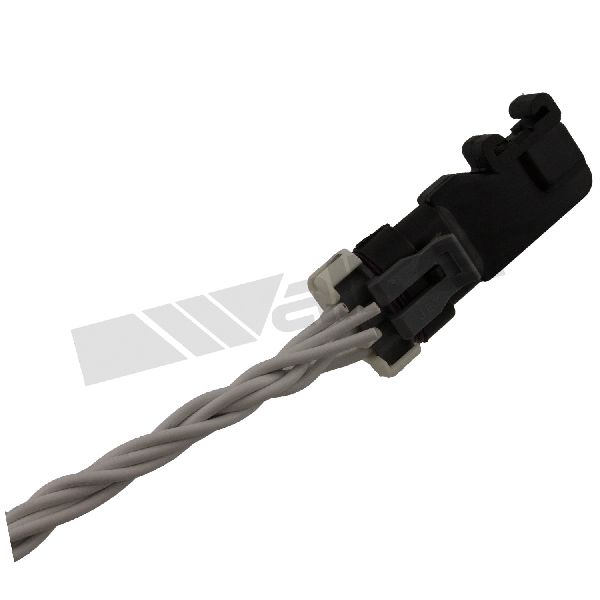
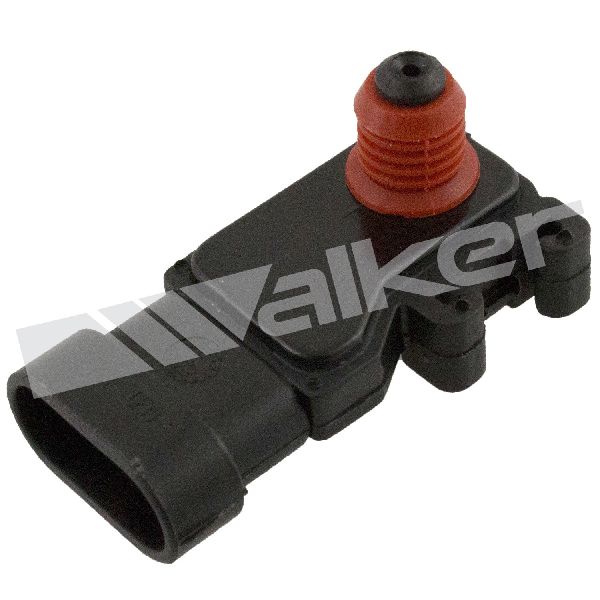
- Standard Aftermarket: Brands like Walker Products and Spectra offer a balance of quality and value. They are a reliable choice for the naturally aspirated 2.4L engine and can be a good budget-friendly option for the turbo model if a premium brand isn't available.
- Budget-Friendly Options: Other brands like Facet, Global Parts, MTC, and True Tech provide a low-cost alternative. These can be suitable for a quick repair, but long-term reliability and sensor accuracy may not match the premium brands.
Cost of Replacing a Saturn Sky MAP Sensor
The cost can vary depending on the part you choose and whether you do the work yourself. The replacement is simple, making it a great DIY project.
🎬 Watch: A step-by-step guide to fixing your MAP sensor issue.| Item | Estimated Cost |
|---|---|
| Shop Labor | $61 - $90 |
| New OEM (ACDelco) Part | $80 - $163 |
| New Aftermarket Part | $39.20 - $95.29 |
| Total (Shop Repair) | $190 - $252 |
| Total (DIY Repair) | $39.20 - $95.29 |
Frequently Asked Questions
Where is the MAP sensor located on my Saturn Sky?
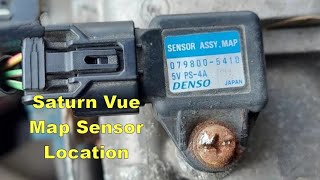
For the 2.4L engine: The MAP sensor is located on the top of the intake manifold, typically held in by a single bolt. It is very easy to access.
For the 2.0L Turbo engine: There are two sensors. The 'upper' sensor is on the charge pipe just before the throttle body. The 'lower' sensor is on the front of the intake manifold, below and to the side of the throttle body.
Can I clean my MAP sensor instead of replacing it?
Sometimes, cleaning the sensor with a dedicated electronics or MAF sensor cleaner can resolve issues, especially if it's contaminated with oil or carbon. However, if the sensor's internal electronics have failed, cleaning will not help, and replacement is necessary. Given the low cost of a new part, replacement is often the more reliable solution.
Is there a recall for the MAP sensor on the Saturn Sky?
No, there are no specific recalls or technical service bulletins (TSBs) from GM for MAP sensor failure on the 2007-2010 Saturn Sky. There are recalls for other items like the passenger airbag sensor and ignition switch, but not the MAP sensor.
Do I need to reset the computer after replacing the MAP sensor?
It is a good practice to clear the trouble codes with an OBD-II scanner after installation. Alternatively, you can disconnect the battery for about 15 minutes to reset the ECU. The computer will then perform a 'relearn' process as you drive, adapting to the new sensor's readings.
Could a vacuum leak cause a MAP sensor code?
Yes. A vacuum leak from a cracked hose or bad gasket can cause the MAP sensor to get readings that don't make sense to the ECU, triggering a P0106 code. It's always a good idea to inspect for vacuum leaks before replacing the sensor. On the Sky and Pontiac Solstice, a bad o-ring on the sensor itself can be a common cause of a leak.
Helpful Videos


Technical Specifications
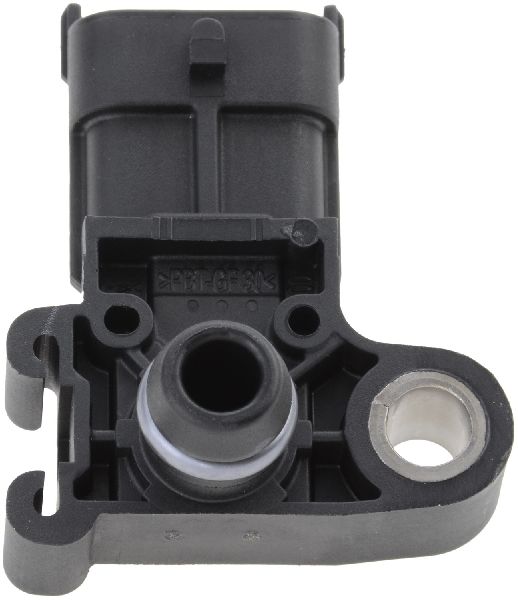
OEM Part Numbers: 12592016 55573248 19418807 12644228
The MAP sensor for the Saturn Sky is a 3-pin solid-state pressure transducer. The 2.0L Turbo LNF engine uses two 3-bar sensors for accurate measurement of both vacuum and boost pressure.
We Have This Part in Stock


The information in this article is provided for general reference and educational purposes only. Vehicle specifications, procedures, and part compatibility can vary by production date, trim level, and region. Always consult your vehicle's factory service manual and verify part numbers before purchasing or performing repairs. Safety-critical components such as airbags, seat belts, and braking systems should be installed by a qualified professional.
- Saturn Sky: