

BMW 320i A/C System O-Ring and Gasket Kit Guide (2007-2011)
Losing cold air in your E90 BMW 320i? The problem is often small, aging seals in your A/C system.
- Failing o-rings are the most common cause of A/C leaks on the E90 320i.
- Symptoms include weak cooling and visible oily residue at A/C line connections.
- Aftermarket kits from brands like Global Parts offer a complete and cost-effective solution.
- Replacement requires specialized equipment to evacuate and recharge the system, making it a job for a professional shop.
Is Your BMW's A/C Blowing Warm Air?
If the air conditioning in your 2007-2011 BMW 320i isn't as cold as it used to be, you're likely dealing with a refrigerant leak. While major components can fail, the most common cause is the failure of small, inexpensive rubber o-rings and gaskets. These seals are found at every connection point in the A/C system, and with age and constant exposure to heat and vibration, they eventually wear out. Replacing these seals is a critical step whenever the A/C system is opened for service.
Symptoms of Failing A/C O-Rings
Identifying bad o-rings is key to a quick repair. The most obvious symptom is a gradual loss of cooling performance. You might also notice that the A/C works intermittently. In some cases, a technician may find evidence of a leak in the form of a greasy, often greenish residue around A/C line connections, which is the refrigerant oil escaping with the refrigerant. Another common leak point on the E90 chassis is an A/C line that runs along the passenger side frame rail, which can corrode over time.
A Note on the E90 320i in North America
The 2007-2011 BMW 320i (part of the E90 chassis family) was not a primary model sold in the US market, where the 328i and 335i were more common. However, the A/C systems are very similar across the E90 platform. Information and parts, including o-ring kits, are often listed for the E90 chassis or more common models like the 328i but will fit the 320i.
Choosing the Right Aftermarket Kit
When your A/C system needs repair, you have a choice between Original Equipment Manufacturer (OEM) parts and aftermarket parts. While OEM seals can be purchased individually from a dealer, they are often expensive. An aftermarket kit offers a more cost-effective solution.
- OEM: Genuine BMW o-rings are high quality but come at a premium price, and you often have to buy them one by one.
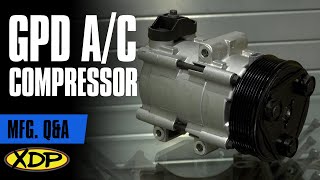
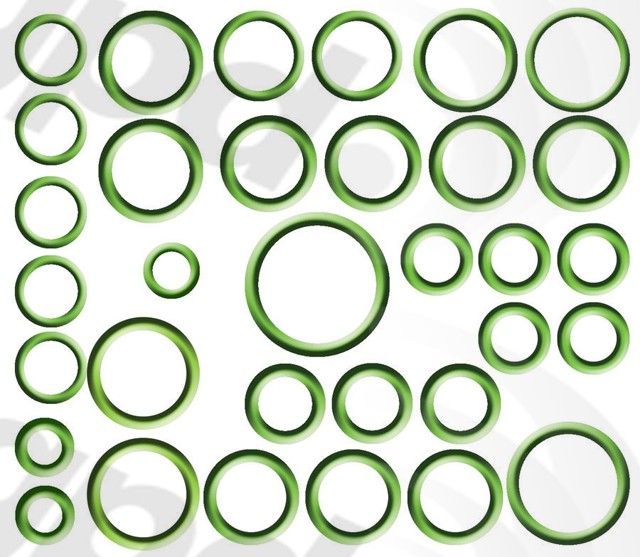
- Aftermarket: Brands like Global Parts Distributors (GPD) and Santech offer complete "Rapid Seal" kits that contain all the necessary o-rings for the job in one package. This is convenient and ensures you have the right seal on hand. GPD is a known aftermarket brand that subjects its parts to testing like helium leak checks to ensure quality. 🎬 Learn more about GPD's quality testing for A/C components. For a part like an o-ring, a quality aftermarket kit provides excellent value.
Pro Tip: Replace Them All
If you have one leaking o-ring, the others are likely near the end of their service life. It is highly recommended to replace all the seals in the system any time it is opened for service. This prevents future leaks and saves you from having to do the job twice.
Cost of Replacing A/C O-Rings (2007-2011 BMW 320i)
| Part/Service | Estimated Cost |
|---|---|
| New Aftermarket O-Ring Kit | $15 - $30 |
| New OEM O-Rings (Individual) | $5 - $15 per o-ring |
| Shop Labor (Evacuate, Replace Seals, Recharge) | $250 - $450 |
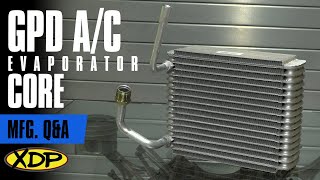
Note: Costs are estimates and can vary based on location and repair shop. Labor for o-ring replacement is typically part of a larger A/C repair, like a compressor or condenser replacement. 🎬 Watch a video about how GPD manufactures evaporator cores.
Frequently Asked Questions
Can I replace A/C o-rings myself?
While replacing the o-rings themselves is not difficult, the A/C system requires specialized equipment to safely evacuate the old refrigerant and then recharge the system after the repair. It is illegal and harmful to the environment to release refrigerant into the atmosphere. For this reason, A/C system repairs are best left to qualified professionals.
What refrigerant does the 2007-2011 BMW 320i use?
The E90 generation of BMWs, including the 320i, uses R134a refrigerant. The system capacity is typically around 20-21 ounces. Always check the sticker under the hood for the exact specifications for your vehicle.
Do I need to add oil when replacing o-rings?
Yes. A small amount of PAG oil (the type compatible with your system) should be used to lubricate the new o-rings before installation. This helps them seal properly and prevents them from tearing. When a significant amount of refrigerant and oil has leaked out, more oil will need to be added to the system during the recharge process.
Are there any recalls for the A/C system on my BMW?
Searches of the National Highway Traffic Safety Administration (NHTSA) database did not show any recalls specifically for A/C o-ring or gasket failure on the 2007-2011 BMW 320i. There have been recalls for other BMW models and years related to A/C wiring harnesses, but these do not apply to the o-rings themselves. There was also a major recall affecting airbags in this generation of 3-Series.
Helpful Videos
Technical Specifications
OEM Part Numbers: 64508390601 64508390602 64508375741 64538375742
Kit contains various sizes of HNBR (Hydrogenated Nitrile Butadiene Rubber) o-rings compatible with R134a refrigerant and PAG oil.
We Have This Part in Stock

The information in this article is provided for general reference and educational purposes only. Vehicle specifications, procedures, and part compatibility can vary by production date, trim level, and region. Always consult your vehicle's factory service manual and verify part numbers before purchasing or performing repairs. Safety-critical components such as airbags, seat belts, and braking systems should be installed by a qualified professional.
- BMW 320i: