

Dodge Caliber (2007-2012) Oxygen Sensor: A Complete Replacement Guide
Fix your Caliber's check engine light and poor gas mileage by understanding and choosing the right oxygen sensor.
- You must identify whether you need the upstream (Bank 1, Sensor 1) or downstream (Bank 1, Sensor 2) sensor before buying; they are not interchangeable.
- Stick with high-quality aftermarket brands like Denso, NGK/NTK, or Bosch for reliability and performance similar to OEM.
- A special slotted socket (22mm or 7/8") is essential for a DIY replacement, and penetrating oil can help with rusted sensors.
- A check engine light for an O2 sensor can sometimes be caused by an exhaust leak or wiring issue, not just the sensor itself.
Signs of a Failing Oxygen Sensor in Your Caliber

When an oxygen sensor starts to fail, your car's computer can't properly adjust the engine's fuel mixture. This can lead to several noticeable problems. Over time, a bad sensor can not only hurt performance but also potentially damage your catalytic converter, a much more expensive repair.
Common Failure Symptoms
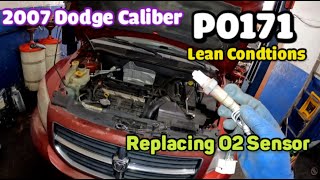
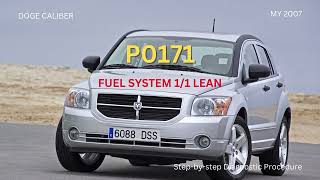
- Check Engine Light: This is the most common sign. Codes like P0131, P0171, or P0139 often point 🎬 Watch this diagnostic guide for troubleshooting the P0171 lean code. to a faulty oxygen sensor.
- Poor Fuel Economy: If the sensor provides a bad reading, the engine might run 'rich,' using more fuel than necessary.
- Rough Idle or Engine Hesitation: The engine may run unevenly, misfire, or hesitate during acceleration.
- Failed Emissions Test: A bad O2 sensor is a common reason for failing a smog check.
Choosing the Right Aftermarket Oxygen Sensor

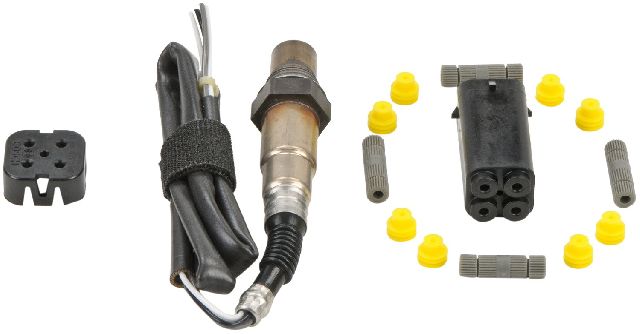
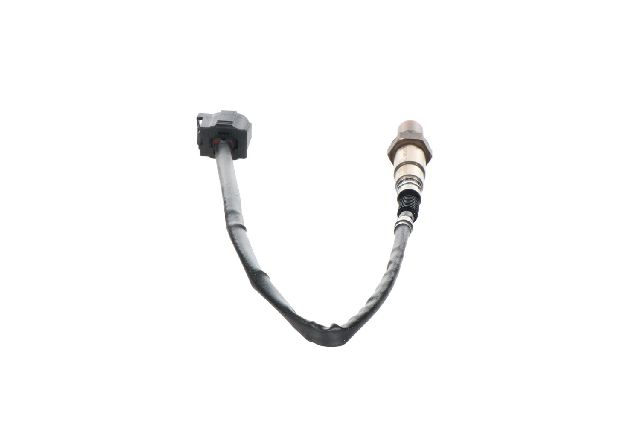
When replacing an O2 sensor on your Caliber, you don't have to buy the expensive OEM part from the dealer. High-quality aftermarket brands often meet or exceed OEM specifications and can save you money. However, not all aftermarket brands are created equal. It's best to avoid the cheapest 'universal' sensors that require you to splice wires, as these can cause performance issues. Always choose a 'direct-fit' sensor with the correct plug for your vehicle.
Brand Quality Tiers for Dodge Caliber
Based on owner feedback and industry reputation, here’s how the available brands generally stack up:
- Top Tier (OEM Quality): Brands like Denso, NGK (also sold as NTK), and Bosch are often the original equipment manufacturers for many car brands. They are known for their reliability and performance. Bosch invented the automotive oxygen sensor and is a leading supplier. Denso and NTK are also highly recommended for their strict quality standards and durability. You can't go wrong choosing one of these.
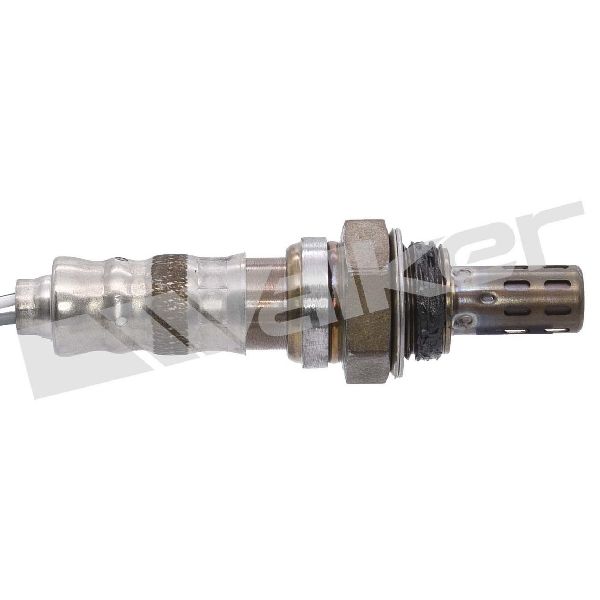
- Mid-Grade (Reliable Alternatives): Brands like Delphi and Walker Products offer a good balance of quality and price. They are reputable manufacturers that produce reliable sensors that are a solid choice for most repairs.
- Economy Tier (Budget-Friendly): Brands like Spectra, DriveWire, and Crown Automotive offer a more affordable option. While functional, they may not have the same longevity or precise calibration as the top-tier brands. They can be a good choice for older, higher-mileage vehicles or if you're on a tight budget.
Known Issues, Recalls, and Service Bulletins
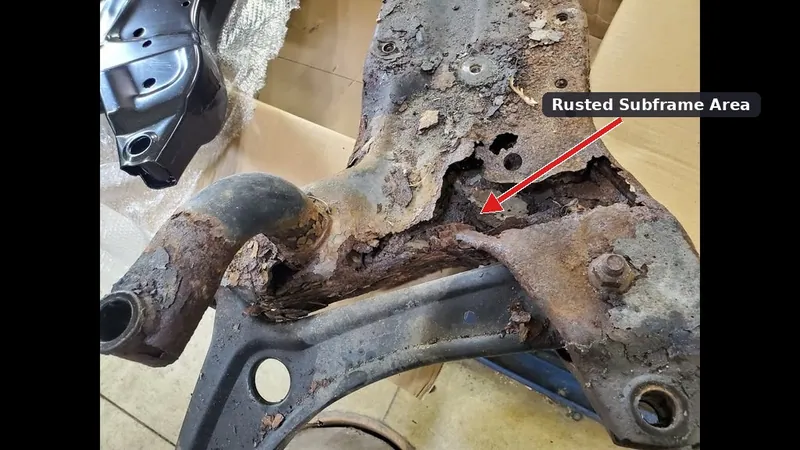
Searches for the 2007-2012 Dodge Caliber show no specific recalls from the NHTSA for oxygen sensors. However, some owners have noted that excessive rust on the front subframe or crossmember can be an issue on these cars, especially in salt-belt states. While not directly related to the sensor, be aware that you may be working in a rusty area, which can make removing the old sensor more difficult.
Cost of Replacing a Dodge Caliber Oxygen Sensor
| Part Type | Estimated Cost |
|---|---|
| New Aftermarket Oxygen Sensor | $27 - $106 |
| New OEM (Mopar) Oxygen Sensor | $80 - $155 |
| Shop Labor | $75 - $150 |
Frequently Asked Questions (FAQ)

How many oxygen sensors does my Dodge Caliber have?
Your Dodge Caliber with its 4-cylinder engine has two oxygen sensors: one upstream (before the catalytic converter) and one downstream (after the catalytic converter).
Can I replace just one oxygen sensor?
Yes. You only need to replace the sensor that has failed. A diagnostic scan tool can tell you which sensor is causing the check engine light (e.g., Bank 1 Sensor 1 vs. Bank 1 Sensor 2).
Is it hard to replace a Caliber oxygen sensor myself?
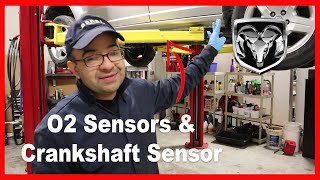
It is a DIY-feasible job for someone with some mechanical experience. The upstream sensor is usually accessible from the engine bay, while the downstream requires safely lifting the vehicle. The main challenge is often the old sensor being rusted in place. Using a special O2 sensor socket (typically 🎬 Watch a mechanic locate and swap both Caliber O2 sensors. 22mm or 7/8-inch) is highly recommended.
What's the difference between upstream and downstream sensors?
The upstream sensor measures exhaust gas directly from the engine to control the air-fuel mixture. The downstream sensor measures the exhaust gas after it has passed through the catalytic converter to check if the converter is working efficiently. They have different jobs and are not interchangeable.
How do I reset the check engine light after replacement?
The easiest way is to use an OBD2 scan tool to clear the codes. In some cases, after a certain number of successful drive cycles where the computer confirms the fix, the light may turn off on its own.
Helpful Videos

Technical Specifications
OEM Part Numbers: 5149171AA 56029084AA 56029085AA 5149027AA
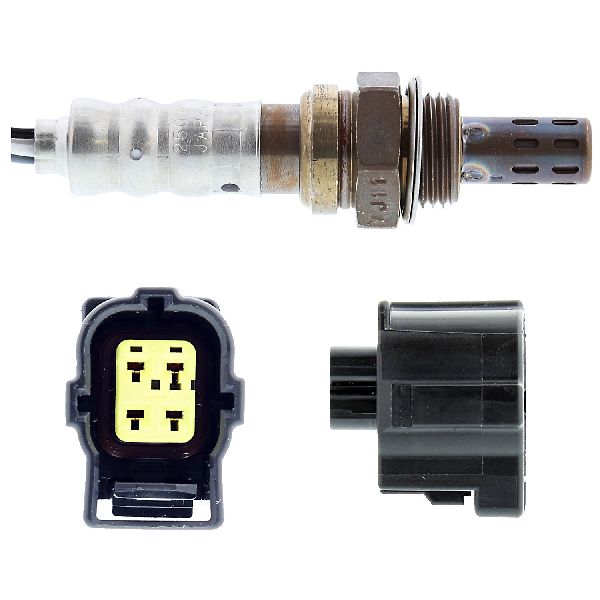
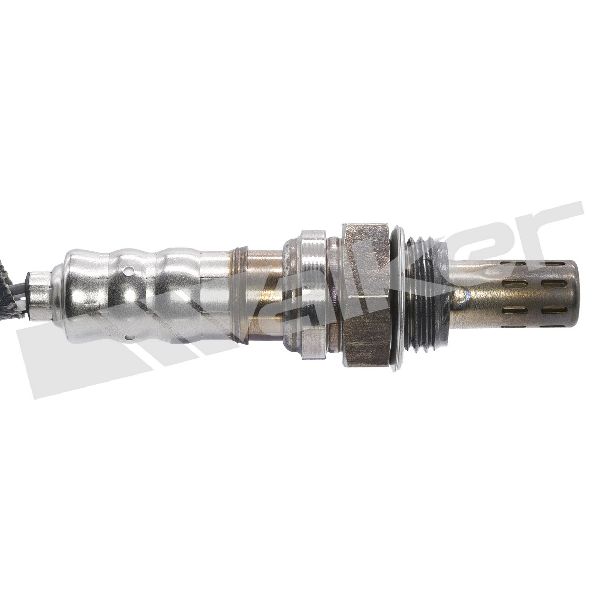
The Dodge Caliber uses heated, 4-wire oxygen sensors. The specific part number and wire harness length will vary between the upstream and downstream positions and potentially by engine size (1.8L, 2.0L, 2.4L).
We Have This Part in Stock


The information in this article is provided for general reference and educational purposes only. Vehicle specifications, procedures, and part compatibility can vary by production date, trim level, and region. Always consult your vehicle's factory service manual and verify part numbers before purchasing or performing repairs. Safety-critical components such as airbags, seat belts, and braking systems should be installed by a qualified professional.
- Dodge Caliber:
- 🎬 Helpful Videos
- 🛍️ Shop This Part
- Signs of a Failing Oxygen Sensor in Your Caliber
- Common Failure Symptoms
- Choosing the Right Aftermarket Oxygen Sensor
- Brand Quality Tiers for Dodge Caliber
- Known Issues, Recalls, and Service Bulletins
- Cost of Replacing a Dodge Caliber Oxygen Sensor
- Frequently Asked Questions (FAQ)
- 🎟️ Get 5% Off