

Ford Ranger Engine Cylinder Head Temperature Sensor Guide (2007-2012)
Understand the unique CHT sensor in your Ranger and how to fix common issues.
- The CHT sensor on the 2007-2012 Ranger measures head temperature, not coolant temperature, which is a key difference from many other vehicles.
- Replacement is easy on the 2.3L 4-cylinder engine but difficult and labor-intensive on the 4.0L V6 engine due to its location under the intake manifold.
- A failing sensor will often trigger a 'fail-safe' mode, causing the temperature gauge to read full hot and the engine to have reduced power.
- Common fault codes are P1289 and P1299. Ignoring these can lead to poor performance and potentially mask a real overheating issue.
Understanding Your Ranger's CHT Sensor
On many Ford engines, including those in the 2007-2012 Ranger, the primary temperature sensor for the engine computer is the CHT, not a traditional Engine Coolant Temperature (ECT) sensor. The CHT is a thermistor, which is a resistor that changes its electrical resistance based on temperature. This data tells the computer how hot the engine is running, allowing it to make precise adjustments for optimal performance and fuel economy. When the CHT sensor fails, it can send incorrect data, leading to a variety of noticeable problems.
Symptoms of a Failing CHT Sensor
A bad CHT sensor can make you think your engine has a major problem, but it's often a simple fix. Here are the most common signs:
- Check Engine Light: The most obvious symptom is an illuminated check engine light. Common trouble codes associated with CHT sensor failure include P1289 (Cylinder Head Temperature Sensor High Input) and P1299 (Cylinder Head Overtemperature Protection Active).
- Erratic Temperature Gauge: The temperature gauge on your dashboard might suddenly shoot up to HOT, even on a cold start, or not move at all. This happens when the PCM receives a fault signal and enters a fail-safe mode, commanding the gauge to full hot as a warning.
- Engine Performance Issues: You might experience rough idling, poor acceleration, reduced power, and decreased fuel efficiency. This is because the computer can't determine the correct fuel mixture or ignition timing.
- Fail-Safe or "Limp" Mode: Ford vehicles have a protective strategy where the PCM will limit engine RPMs and power to prevent damage from perceived overheating. Your truck may feel very sluggish if this mode is active.
- Cooling Fans Running Constantly: The cooling fans may run at full speed all the time, even when the engine is cold, as a default response to a lost sensor signal.
Aftermarket Brand Quality Comparison
| Brand | Tier | Our Price | Notes |
|---|---|---|---|
| Standard Ignition (SMP) | Best | $38 - $43 | Often considered a top-tier aftermarket brand, known for quality that meets or exceeds OEM specifications. A reliable choice for a critical sensor. |
| Motorad | Better | $35 - $40 | A well-regarded manufacturer of cooling system components. Generally a solid, dependable option for daily use. |
| Dorman | Good | $30 - $36 | Widely available and often budget-friendly. Quality can be inconsistent; while some parts are excellent, their electronic components sometimes have higher failure rates reported in forums. It's a viable option, but may be a gamble for a part that can be labor-intensive to replace. |
| Global Parts | Standard | $30 - $35 | Considered a standard replacement-grade part. Suitable for budget-conscious repairs where top-tier longevity is not the primary concern. |
Known Issues, Recalls, and TSBs
While there are no specific recalls for the CHT sensor on the 2007-2012 Ford Ranger, Ford did issue recalls for other models around this time related to cylinder heads and cooling systems. The P1299 code, which indicates the engine is in a protective overheating mode, is a well-documented issue related to this sensor. 🎬 See how to diagnose and fix the P1299 fault code. No specific Technical Service Bulletins (TSBs) for the CHT sensor on this exact Ranger model range were found during research.
Pro Tip: Location Varies by Engine
The difficulty of this job depends entirely on which engine your Ranger has. On the 2.3L 4-cylinder, the sensor is relatively easy to access, located on top of the cylinder head between the two middle spark plugs. 🎬 Watch this quick walkthrough for replacing the 2.3L sensor. On the 4.0L V6, the sensor is located under the intake manifold, making replacement a much more involved job that requires removing the manifold.
Frequently Asked Questions (FAQ)
Where is the CHT sensor located on my 2007-2012 Ranger?
For the 2.3L I4 engine, the CHT sensor is on top of the valve cover, between the spark plugs for cylinders 2 and 3. For the 4.0L V6 engine, it is located on the cylinder head underneath the intake manifold, which makes it significantly harder to access.
What's the difference between a CHT and an ECT sensor?
A CHT (Cylinder Head Temperature) sensor measures the temperature of the engine's metal cylinder head. An ECT (Engine Coolant Temperature) sensor measures the temperature of the engine coolant. Your Ranger's computer primarily uses the CHT sensor for its calculations. Some models may have both, with the second sensor used only for the dashboard gauge.
Can I replace the CHT sensor myself?
If you have the 2.3L engine, this is a very feasible DIY job for a beginner, requiring basic tools and a deep socket. If you have the 4.0L V6, the job is much more difficult due to the need to remove the upper intake manifold. This is best left to an experienced DIY mechanic or a professional shop.
What happens if I ignore a bad CHT sensor?
Continuing to drive with a faulty CHT sensor is not recommended. Your engine will run poorly, get bad gas mileage, and may be in a constant state of "limp mode" with reduced power. While the fail-safe mode is designed to protect the engine, you are essentially flying blind without accurate temperature information, which could lead to actual overheating and severe engine damage if a separate cooling system problem occurs.
Helpful Videos
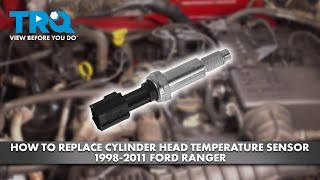
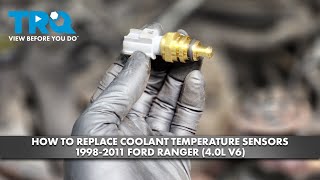

Technical Specifications
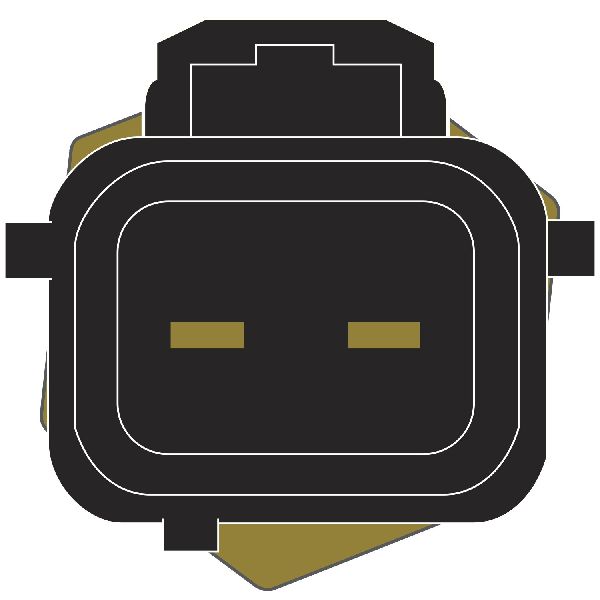
OEM Part Numbers: 1L2Z12A648A 1L2Z-12A648-A
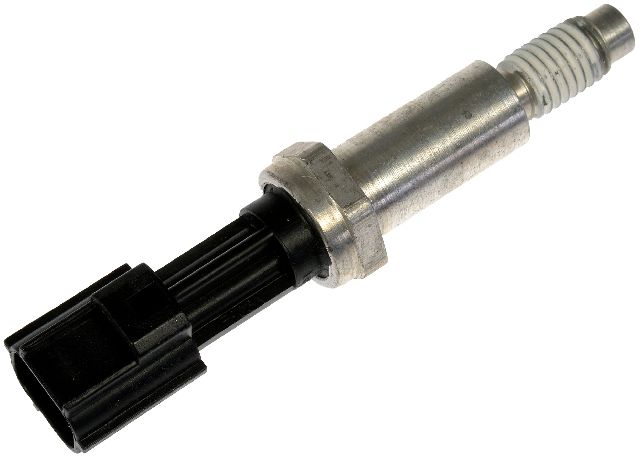
This is a thermistor-type sensor that threads into the cylinder head. A deep, thin-walled 19mm socket is often required for removal and installation, especially on the 2.3L engine. Torque specification is critical and very low, around 9 lb-ft or 106 lb-in, to avoid breaking the sensor in the head.
We Have This Part in Stock


The information in this article is provided for general reference and educational purposes only. Vehicle specifications, procedures, and part compatibility can vary by production date, trim level, and region. Always consult your vehicle's factory service manual and verify part numbers before purchasing or performing repairs. Safety-critical components such as airbags, seat belts, and braking systems should be installed by a qualified professional.
- Ford Ranger: