

GMC Yukon 2007-2014 A/C Expansion Valve: A Complete Guide
Is your Yukon's A/C blowing warm? Understanding the A/C expansion valve is the first step to getting your cold air back.
- Yukons with rear A/C have two separate metering devices: a front orifice tube and a rear expansion valve.
- Symptoms like warm air or inconsistent cooling often point to a failing expansion valve or orifice tube.
- Replacing the receiver/drier at the same time as the expansion valve is critical for a long-lasting repair.
- This repair requires specialized A/C service tools, making it a job for a professional mechanic for most owners.
Is Your Yukon's A/C Acting Up? It Could Be the Expansion Valve


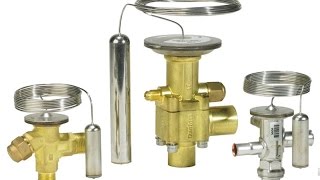
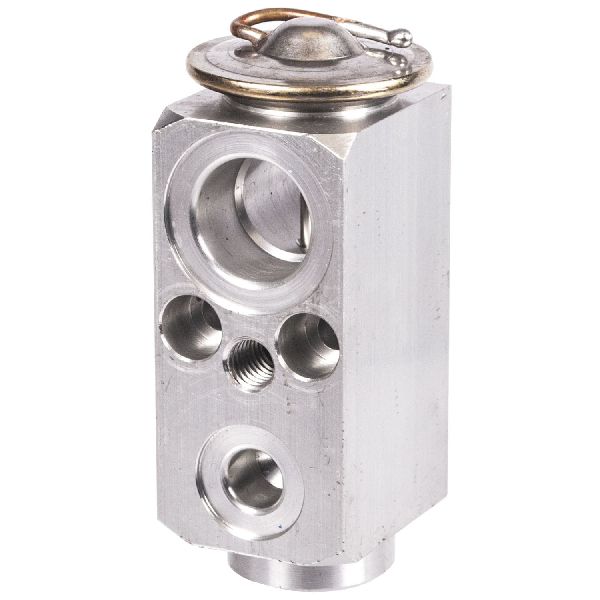
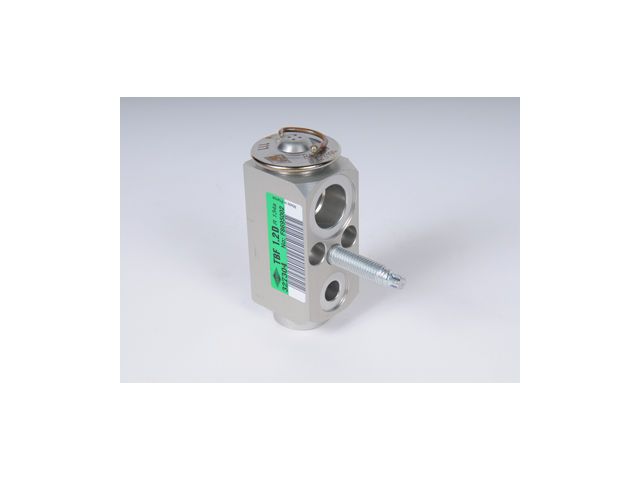
When your 2007-2014 GMC Yukon's air conditioning isn't blowing as cold as it used to, the A/C expansion valve is a common suspect. This part, also called a TXV, regulates refrigerant flow. If it fails, it can cause a range of cooling problems, from weak airflow to warm air coming from the vents. Before you assume the compressor is bad, it's important to understand the symptoms of a failing expansion valve.
Symptoms of a Bad A/C Expansion Valve
- Warm or Inconsistent Air Temperature: The most common sign is warm air blowing from the vents when the A/C is on. You might also notice the air temperature fluctuating between cool and warm.
- Frost on Vents or Evaporator: If the valve is stuck open, it can allow too much refrigerant into the evaporator, causing it to freeze over. This can lead to frost being blown out of the vents.
- Poor A/C Performance at Idle: You may notice the A/C works better while driving at higher speeds but gets warmer when you're stopped in traffic.
- A/C Compressor Short-Cycling: A blocked or failing valve can cause incorrect pressure readings in the system, making the A/C compressor turn on and off rapidly.
Front vs. Rear A/C Systems
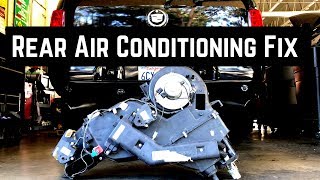
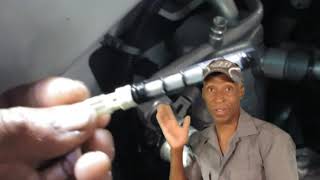
Many GMC Yukons, especially Yukon XL models, have a separate rear A/C system. This system has its own expansion valve located in the passenger-side cargo area. 🎬 Watch this step-by-step walkthrough of the rear expansion valve replacement. It's possible for the rear expansion valve to fail while the front A/C works fine, or vice-versa. If only your rear A/C is blowing warm, the rear expansion valve is a likely culprit.
Choosing the Right Aftermarket Expansion Valve

When replacing the expansion valve, you have several options. While the OEM ACDelco part is always a safe bet, quality aftermarket brands can offer reliable performance at a better price. It's crucial to choose a quality part, as a cheap valve can fail quickly, forcing you to do the job all over again.
Here’s a breakdown of the available brands:
- Tier 1 (OEM or Equivalent):
- ACDelco: As the original equipment manufacturer for GM, ACDelco parts are designed to fit and perform exactly like the factory-installed valve. This is the best choice for guaranteed compatibility and performance.
- Denso: Denso is a highly respected OEM supplier for many automakers and is known for its excellent quality in A/C components. Often, a Denso part is the same as the OEM part, just in a different box. It's a top-tier alternative to ACDelco.
- Tier 2 (Quality Aftermarket):
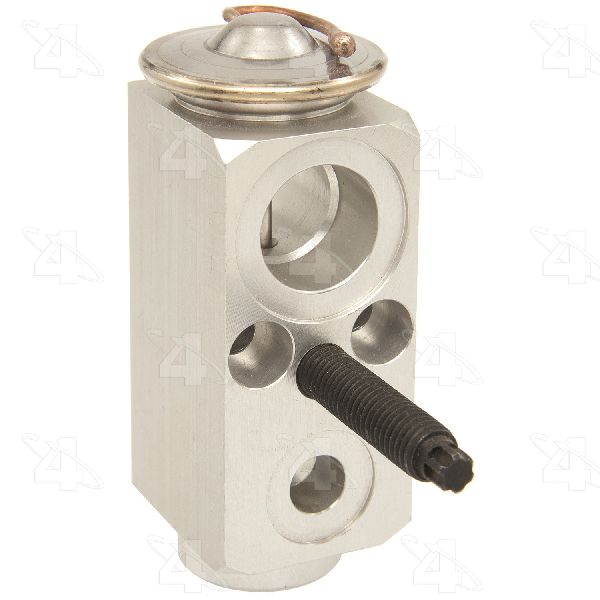
- Four Seasons: A well-known aftermarket brand that offers a wide range of A/C parts. Their quality is generally considered good for the price, making them a solid mid-range option for a daily driver.
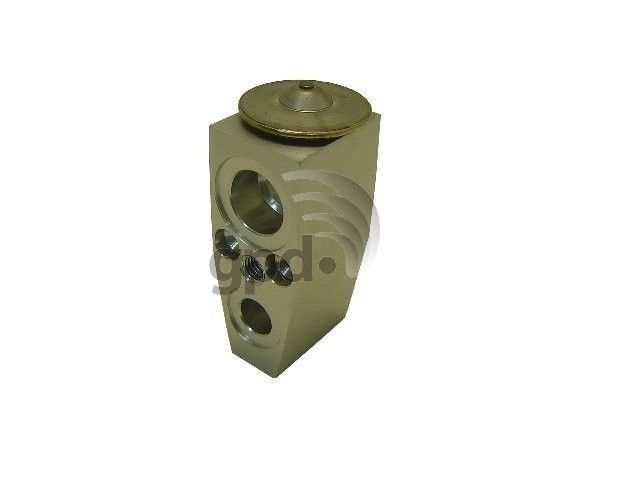
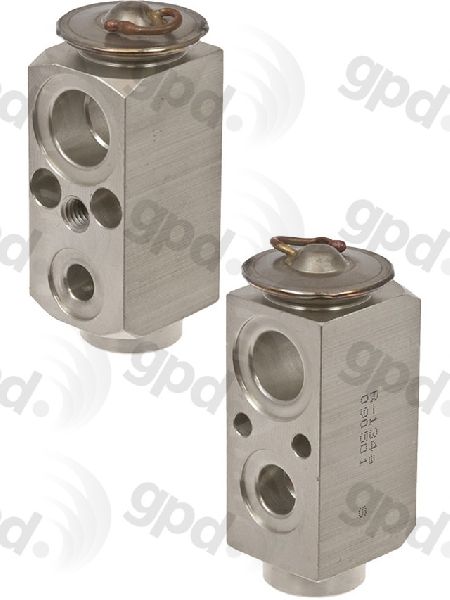
- Global Parts (GPD): Another aftermarket supplier specializing in climate control parts. They are a budget-friendly choice that can be a good value, though long-term durability may not match OEM or Denso standards.
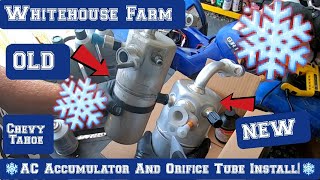
Pro Tip: Whenever you replace an A/C expansion valve, it is highly recommended to also replace the A/C receiver/drier (or accumulator). The drier contains a desiccant that absorbs moisture from the refrigerant. Opening the system to replace the valve exposes the drier to atmospheric moisture, which compromises its effectiveness. A new drier is cheap insurance for your new A/C components.
🎬 See how to replace the accumulator and orifice tube yourself.Cost to Replace a GMC Yukon Expansion Valve

The cost of replacing an A/C expansion valve depends on whether you do it yourself or hire a professional. The job requires specialized tools to safely recover and recharge the A/C system's refrigerant.
| Part / Service | Estimated Cost |
|---|---|
| New Aftermarket Expansion Valve | $32 - $154 |
| New OEM (ACDelco) Expansion Valve | $203 - $275 |
| Shop Labor | $164 - $241 |
| Total Professional Replacement | $367 - $516 |
Frequently Asked Questions (FAQ)
Can I replace the A/C expansion valve myself?
This is an advanced DIY job. While the valve itself is often accessible at the firewall or in the rear cargo area, the main challenge is handling the refrigerant. Federal law requires the use of special equipment to recover refrigerant before opening the system. You will also need a vacuum pump and manifold gauges to properly evacuate and recharge the system after the repair. For most owners, this job is best left to a qualified mechanic.
My front A/C is cold but the rear is hot. Is it the expansion valve?
It could be, but first check the rear blend door actuator. 🎬 Watch how to replace the rear actuator without removing seats. A common issue on these Yukons is a failed rear actuator that gets stuck on the heat setting. If the actuator is working correctly, then the rear expansion valve is the next part to inspect for a blockage or failure.
Are there any recalls for the A/C system on the 2007-2014 Yukon?
There are no specific recalls for the A/C expansion valve. However, GM did issue a special coverage adjustment (17336) for some 2015-2017 models for a leaking A/C condenser, which can cause similar symptoms of A/C failure. While this doesn't cover the 2007-2014 generation, it highlights that refrigerant leaks are a known issue on the platform. Leaking A/C lines running to the rear unit are also a very common problem.
What is the difference between an expansion valve and an orifice tube?
They both do the same job of metering refrigerant into the evaporator, but they are different designs. Your 2007-2014 Yukon with rear A/C actually uses both: a block-style expansion valve for the rear unit and a simpler orifice tube for the front A/C system. If your front A/C fails, you will be replacing the orifice tube, not an expansion valve.
Helpful Videos



Technical Specifications
OEM Part Numbers: 19331491 20843461 89018814
System uses R-134a refrigerant and PAG 46 compressor oil. The front system uses an orifice tube, while models with rear A/C use a block-style expansion valve for the auxiliary unit.
We Have This Part in Stock

The information in this article is provided for general reference and educational purposes only. Vehicle specifications, procedures, and part compatibility can vary by production date, trim level, and region. Always consult your vehicle's factory service manual and verify part numbers before purchasing or performing repairs. Safety-critical components such as airbags, seat belts, and braking systems should be installed by a qualified professional.
- GMC Yukon:
- 🎬 Helpful Videos
- 🛍️ Shop This Part
- Is Your Yukon's A/C Acting Up? It Could Be the Expansion Valve
- Symptoms of a Bad A/C Expansion Valve
- Front vs. Rear A/C Systems
- Choosing the Right Aftermarket Expansion Valve
- Cost to Replace a GMC Yukon Expansion Valve
- Frequently Asked Questions (FAQ)
- 🎟️ Get 5% Off