

A Honda Fit Owner's Guide to the 2007-2014 Engine Oil Pressure Switch
That flickering oil light or sudden limp mode might be an easy fix you can do yourself.
- Always check your oil level first if the oil light comes on; a faulty switch is the next most likely cause.
- A leaking oil pressure switch is common and can be mistaken for an oil filter leak. Check the area directly above the filter.
- Replacement is a simple, DIY-friendly job that can be done in under an hour with basic tools.
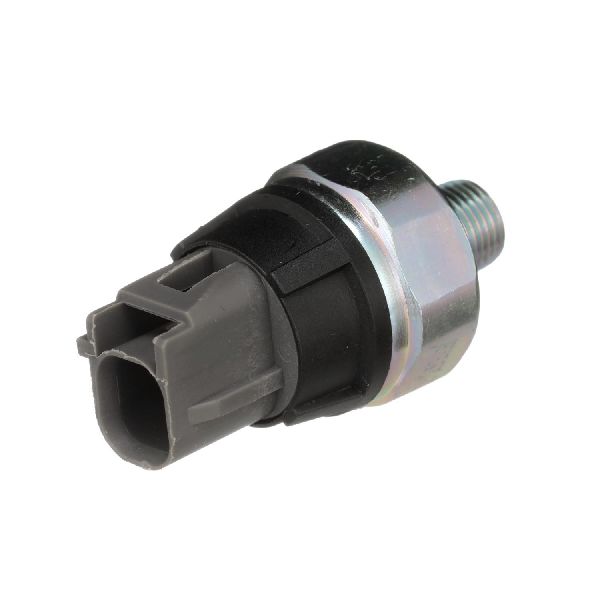
- A failed VTEC oil pressure switch will trigger a Check Engine Light and limp mode, a known issue covered by a Honda TSB.
Is Your Honda Fit's Oil Light On? Don't Panic Yet.

Seeing the oil pressure light flicker on your 2007-2014 Honda Fit can be alarming, but it doesn't always mean your engine is in immediate danger. While the first step should always be to pull over safely and check your oil level, the problem is often a faulty engine oil pressure switch. This is a common, inexpensive, and relatively easy part to replace. This guide will walk you through the symptoms, how to choose the right aftermarket part, and what to expect for the replacement.
First Things First: Check Your Oil!
Before assuming the switch is bad, check your engine oil dipstick. If the oil level is low, top it off. If the oil light goes away, you've found your problem. If the oil level is fine, or if the light stays on or comes back, a bad switch is the likely culprit. Driving with a confirmed low oil level can destroy your engine.
Common Failure Symptoms for the Honda Fit

A failing oil pressure switch on the Fit can show itself in a few distinct ways:
- Flickering or Solid Oil Light: The most common symptom is the oil pressure warning light on your dashboard either flickering intermittently (especially at idle or when the engine is hot) or staying on constantly, even when you know the oil level is correct.
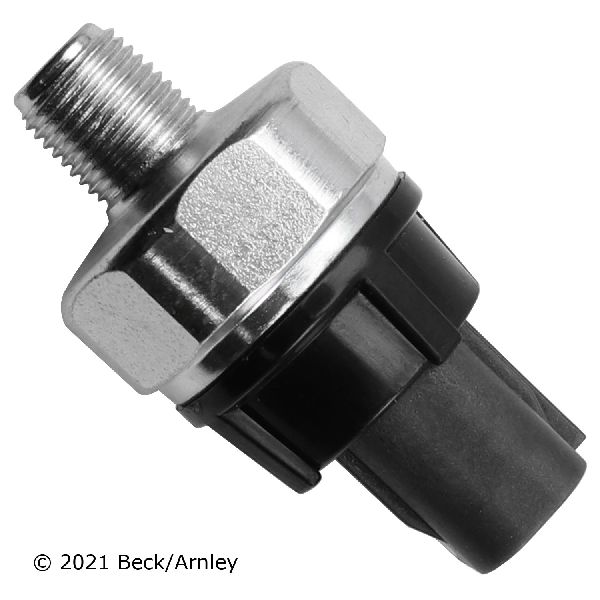
- Engine Oil Leak: The switch itself can fail, developing a crack in its plastic housing or a bad seal, leading to a noticeable oil leak. The switch is located right above the oil filter, so oil may drip down onto the filter and the plastic belly pan, making it look like a leaky oil filter.
- Check Engine Light and Limp Mode: For the VTEC oil pressure switch, a failure often won't trigger the oil light but will throw a Check Engine Light and put the car in "limp mode." This typically limits the engine to around 4,000 RPM to prevent potential damage. You may see diagnostic trouble codes like P2646 or P2647.
OEM vs. Aftermarket Quality

For a simple part like an oil pressure switch, you don't necessarily need to buy the genuine Honda part. High-quality aftermarket brands offer excellent reliability at a lower price. The key is to avoid the cheapest, no-name options, which may fail prematurely or provide inaccurate readings.
- Premium Aftermarket (e.g., Beck Arnley, Standard Ignition): These brands are well-regarded in the industry. They focus on matching original equipment (OE) form, fit, and function. Beck Arnley is known for sourcing parts from OEM suppliers and rebranding them, so you are sometimes getting the exact same quality as the dealer part. Standard Motor Products (Standard Ignition) is a long-standing manufacturer with a reputation for quality control.
- Standard/Budget Aftermarket (e.g., Global Parts, Rostra, True Tech): These brands provide a cost-effective solution. While they may not have the same long-standing reputation as premium brands, they can be a good option for a simple repair. When choosing these brands, pay close attention to the warranty and customer reviews if available.
| Part Type | Estimated Cost |
|---|---|
| New OEM (Dealer) | $45 - $65 |
| New Aftermarket | $13 - $72 |
| Shop Labor | $50 - $100 |
Known Issues & Service Bulletins

Honda issued Technical Service Bulletin (TSB) 13-021 for several models, including the 2007-2011 Honda Fit. This bulletin addresses an intermittently failing rocker arm oil pressure switch that causes the Malfunction Indicator Lamp (MIL) to come on with DTCs P2646, P2647, P2651, or P2652. The official fix is to replace the switch and the O-ring. This confirms that this is a recognized issue by the manufacturer.
Installation Tip
The oil pressure switch on the 2007-2014 Fit is located on the engine block, just above the oil filter and next to the starter. It's easiest to access from underneath the car. You will need a deep socket (often 15/16") to remove and install it. Always apply a small amount of liquid gasket or thread sealant to the threads of the new switch to prevent leaks, and be careful not to overtighten it.
Frequently Asked Questions
Where is the oil pressure switch on a 2007-2014 Honda Fit?
It is located on the front of the engine block (the side facing the radiator), positioned just above the white oil filter and next to the starter motor. It's best accessed from below.
Can I replace the oil pressure switch myself?
Yes, this is a very DIY-friendly repair for most home mechanics. It requires basic tools, jacking up the car safely, and can typically be done in under an hour.
What happens if I ignore a bad oil pressure switch?
If the switch is leaking, you will continue to lose oil, which can lead to engine damage if the level gets too low. If the switch is giving false readings, you lose the ability to know if you have a real, catastrophic loss of oil pressure, putting your engine at risk. If it's the VTEC switch, your car will have reduced performance and stay in limp mode.
Is there a recall for the Honda Fit oil pressure switch?
No, there are no specific recalls for the engine oil pressure switch on the 2007-2014 Honda Fit. There was a Technical Service Bulletin (TSB) issued, which acknowledges the issue, but it is not a mandatory safety recall.
Helpful Videos
Technical Specifications
OEM Part Numbers: 37250-PNE-G01 91319-PAA-A01
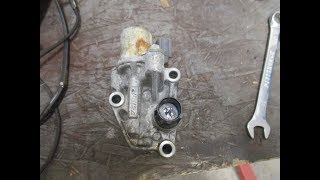
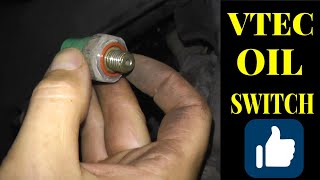
VTEC Oil Pressure Switch. Located on the cylinder head. Requires a new O-ring (P/N: 91319-PAA-A01) during replacement.
We Have This Part in Stock


The information in this article is provided for general reference and educational purposes only. Vehicle specifications, procedures, and part compatibility can vary by production date, trim level, and region. Always consult your vehicle's factory service manual and verify part numbers before purchasing or performing repairs. Safety-critical components such as airbags, seat belts, and braking systems should be installed by a qualified professional.
- Honda Fit: