

Subaru Forester Serpentine Belt Replacement Guide (2007-2014)
Learn to spot the signs of a failing serpentine belt and choose the right replacement for your Forester's specific engine.
- Crucially, identify your engine: 2007-2010 models have two belts, while 2011-2014 models have a single belt with an auto-tensioner.
- Don't ignore squealing noises or visible cracks; a broken belt will leave you stranded.
- High-quality aftermarket brands like Gates, Continental, and Mitsuboshi offer OEM-level performance for less money.
- If you're replacing the belt, always inspect the idler and tensioner pulleys for noise or wobble and replace them if necessary.
Is Your Forester's Serpentine Belt Failing?


A serpentine belt is a critical maintenance item that wears out over time. Ignoring the warning signs can lead to a sudden breakdown. Listen and look for these common symptoms of a worn-out belt on your 2007-2014 Forester.
- Squealing or Chirping Noises: This is the most common sign. You'll often hear a high-pitched squeal from the engine bay, especially when starting the car on a cold morning or during sharp turns. This noise means the belt is slipping on the pulleys. 🎬 Watch: How to diagnose belt squeaks and squeals
- Visible Damage: Pop the hood and look at the belt. If you see cracks, fraying edges, missing chunks, or a glazed, shiny surface, the belt is old and needs to be replaced.
- Accessory Problems: If your power steering feels heavy, your A/C isn't blowing cold, or your battery light comes on, the belt may be slipping or may have already broken.
Engine Differences are Critical for Ordering
The 2007-2014 Forester generation uses two different engine types, which have completely different belt systems. Ordering the wrong part is the most common mistake.
- 2007-2010 Forester (EJ25 Engine): These models use two separate drive belts. One belt drives the alternator and power steering pump, while a second, smaller belt drives the A/C compressor. Tension is set manually by adjusting the alternator and A/C compressor.
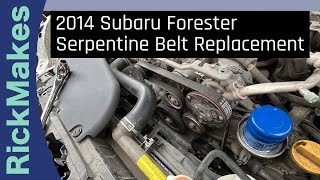
- 2011-2014 Forester (FB25 Engine): These models use a single serpentine belt for all accessories. This system has an automatic spring-loaded tensioner that keeps the belt tight, making replacement simpler. 🎬 See this 2014 Forester belt replacement walkthrough
Choosing the Right Aftermarket Serpentine Belt

For a part like this, you don't need to pay dealer prices. High-quality aftermarket brands often meet or exceed OEM specifications. The original belt on many Subarus is made by Mitsuboshi, which is available as an aftermarket brand.
- Top Tier (OEM Quality): Brands like Mitsuboshi, Bando, Continental, and Gates are trusted by professional mechanics. They use high-quality EPDM rubber that resists cracking and heat for a long service life. For Japanese vehicles like your Subaru, Mitsuboshi and Bando are excellent choices often used as the original equipment.
- Mid-Tier: Dayco is another well-known brand that produces reliable belts. Some users note they can be slightly stiffer out of the box, but they perform well.
Honestly, for a Subaru Forester, you can't go wrong with Gates, Continental, or Mitsuboshi. The quality difference between them for this application is minimal, so choose the one with the best price and availability.
Pro Tip: Inspect Your Pulleys
While the belt is off, spin the tensioner and idler pulleys by hand (for 2011-2014 models). They should spin smoothly and silently. If you hear any grinding or feel roughness, the pulley's bearing is failing. A bad pulley can destroy a new belt quickly, so replace it at the same time.
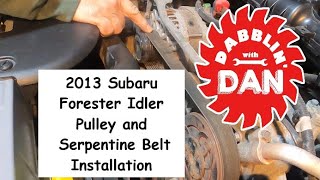
🎬 Watch: How to replace a noisy idler pulleyCost of Replacing a Subaru Forester Serpentine Belt
| Part/Service | Estimated Cost |
|---|---|
| New Aftermarket Belt(s) | $12 - $75 |
| New OEM Belt(s) | $30 - $60 |
| Shop Labor | $100 - $200 |
| Total Professional Replacement | $130 - $275 |
Frequently Asked Questions

How often should I replace the serpentine belt?
There is no strict replacement interval, but a visual inspection is recommended at every oil change or at least every 30,000 miles. Most belts last between 50,000 and 100,000 miles, but this can vary based on climate and driving conditions. Replace it at the first sign of cracking or noise.
Is this the same as a timing belt?
No. The serpentine belt runs the accessories on the outside of the engine. The timing belt (on 2007-2012 models) is inside a cover and keeps the engine's internal parts synchronized. Timing belt failure causes severe engine damage, while a serpentine belt failure will just shut the car down without internal damage.
Can I replace the serpentine belt myself?
Yes, this is a great DIY job for beginners, especially on the 2011-2014 models. For these later models, you just need a wrench to release the tension on the automatic tensioner and route the new belt. For 2007-2010 models, it's slightly more complex because you have to loosen the alternator and A/C compressor to adjust the tension on two separate belts, but it is still very manageable with basic tools.
Is a noisy belt always a bad belt?
Not always, but usually. Noise indicates slipping. While a new belt might fix it, the noise could also be caused by a weak automatic tensioner or a misaligned/failing pulley. If a new belt doesn't solve the squeal, have the tensioner and pulleys inspected.
Helpful Videos


Technical Specifications
OEM Part Numbers: 23780AA160 (2011-2014 Single Belt) 73323AC000 (2007-2010 A/C Belt) 809218440 (Example 2007-2010 Alt/PS Belt)
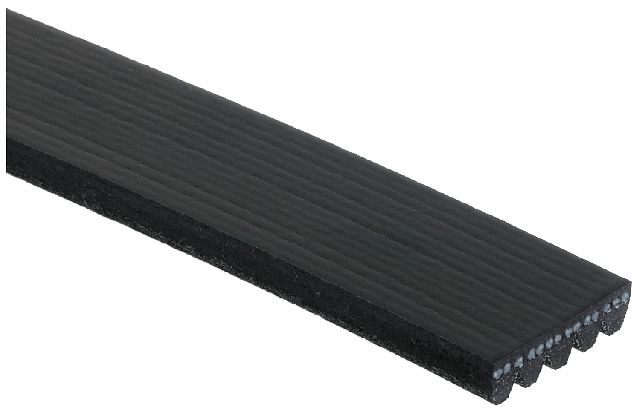
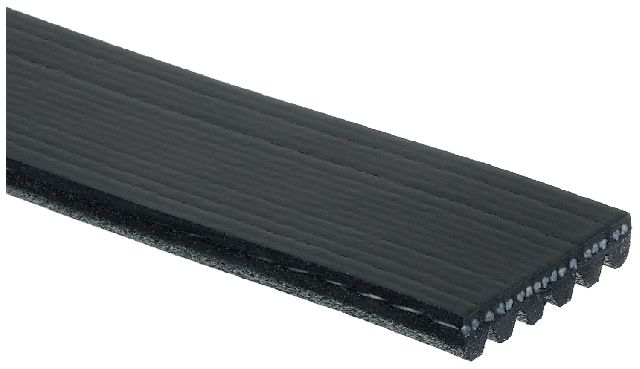
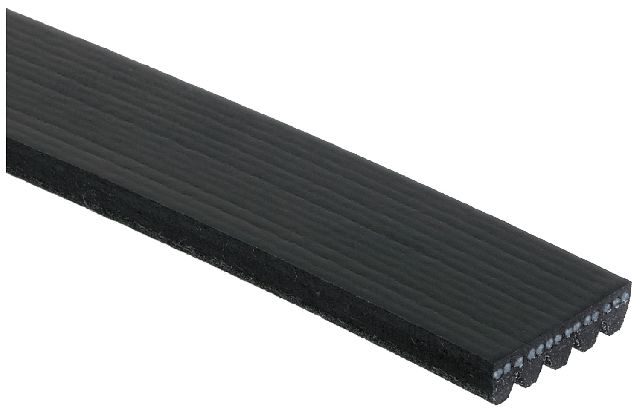
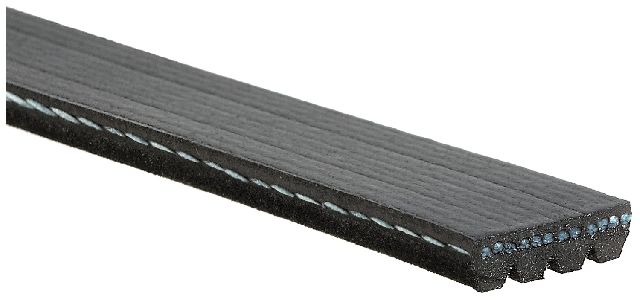
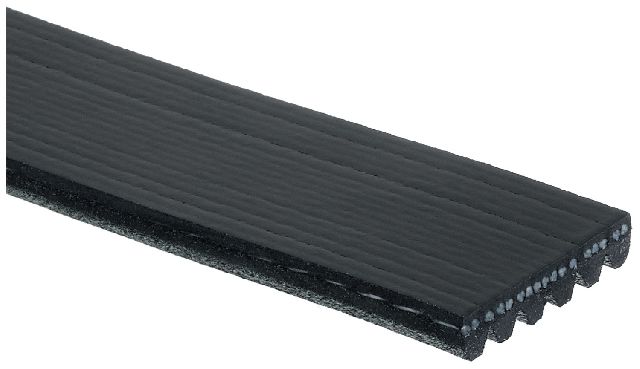
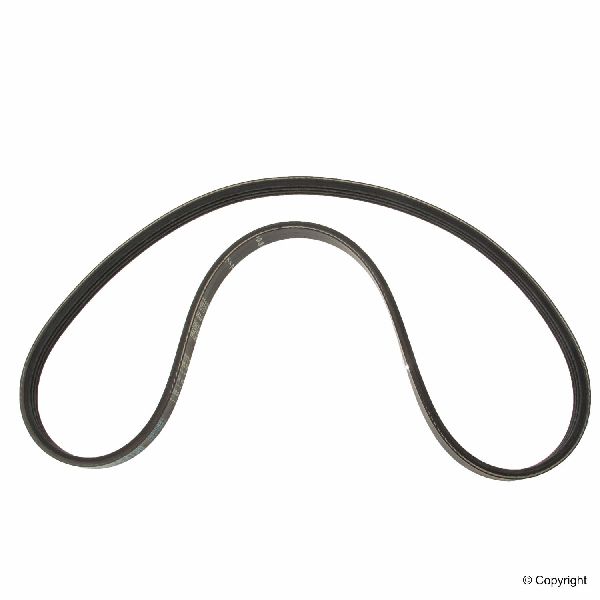
Varies by engine. 2007-2010 models use a two-belt system (e.g., 5-rib Alt/PS belt and 4-rib A/C belt). 2011-2014 models use a single multi-rib serpentine belt.
We Have This Part in Stock

The information in this article is provided for general reference and educational purposes only. Vehicle specifications, procedures, and part compatibility can vary by production date, trim level, and region. Always consult your vehicle's factory service manual and verify part numbers before purchasing or performing repairs. Safety-critical components such as airbags, seat belts, and braking systems should be installed by a qualified professional.
- Subaru Forester: