

Ford Mustang Engine Cylinder Head Temperature Sensor Guide (2007-2015)
Understand the unique CHT sensor in your S197 Mustang and how to choose the right replacement.
- Your Mustang uses a CHT sensor that measures head temperature, not coolant temperature, which is a key distinction from many other vehicles.
- Symptoms of failure include a Check Engine Light (P1289, P1299), fans running constantly, and poor engine performance.
- Replacement can be difficult, especially on V8 models where the sensor is at the back of the engine, sometimes under the intake manifold.
- For this critical sensor, choosing a premium aftermarket brand like Standard Motor Products or Walker Products is recommended over budget options.
Understanding the Mustang's Unique CHT Sensor
Your 2007-2015 Ford Mustang doesn't have a traditional engine coolant temperature sensor. Instead, it relies on a Cylinder Head Temperature (CHT) sensor. This small but critical part measures the actual metal temperature of the cylinder head. The vehicle's main computer uses this information to figure out how hot the engine is running, which affects everything from fuel economy to when the radiator fans turn on. Because it measures the head itself, it can trigger a fail-safe mode to protect the engine from severe damage even during a major coolant leak.
Symptoms of a Failing CHT Sensor
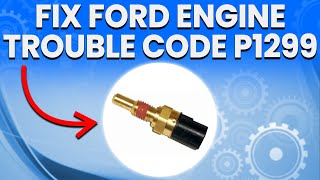
A bad CHT sensor can make your Mustang act up in several ways. The first sign is usually a Check Engine Light with codes like P1289, P1290, or P1299. 🎬 See how to fix the P1299 overtemperature protection code. You might also notice the radiator fans running constantly at high speed, even when the engine is cold. Other common symptoms include poor fuel economy, rough idling, and difficulty starting the engine. In serious cases, the car may enter a "limp mode" with reduced power to prevent overheating. The temperature gauge on your dashboard might also behave erratically, either staying on cold or jumping to hot unexpectedly.
Choosing the Right Aftermarket CHT Sensor
For a critical sensor like the CHT, quality matters. While an OEM Motorcraft part is always a safe bet, several reputable aftermarket brands offer reliable alternatives at a lower cost. The key is to avoid the cheapest, no-name options, as sensor failure can lead to bigger problems.
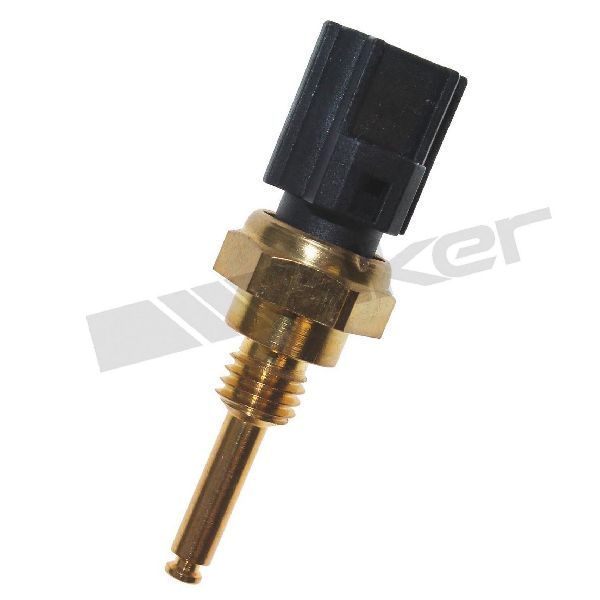
- Premium Aftermarket (Recommended): Brands like Standard Motor Products (SMP) and Walker Products are well-regarded in the industry for producing sensors that meet or exceed OEM specifications. They offer a good balance of quality and value, making them a smart choice for most owners.
- Standard Aftermarket: Brands like Dorman, Facet, and Global Parts offer a more budget-friendly option. While Dorman sometimes redesigns parts to fix original flaws, their quality can be inconsistent depending on the specific part. For a sensor this important, it's often worth spending a little more for a premium brand.
- Economy Brands: Skyward and other lower-cost brands are available, but their long-term reliability is less certain. Given the low cost of even premium aftermarket sensors, saving a few extra dollars here may not be worth the risk.
Aftermarket Part Cost Comparison
| Quality Tier | Brands | Estimated Price |
|---|---|---|
| Premium Aftermarket | Standard Motor Products, Walker Products | $20 - $39 |
| Standard Aftermarket | Dorman, Facet, Holstein, Motorad | $15 - $25 |
| Economy Aftermarket | Skyward, Global Parts | $10 - $18 |
Installation Tips & Known Issues
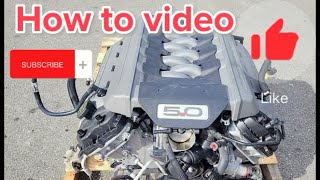
Replacing the CHT sensor can be tricky depending on your engine. On V6 models, it's often located at the back of the passenger-side cylinder head near the firewall, requiring a 19mm ratcheting wrench to access. On 5.0L V8 models, it's on the rear of the driver's or passenger's side head and can be extremely difficult to reach, sometimes requiring removal of the intake manifold. 🎬 Watch this guide to changing the sensor on 5.0L engines. Because the sensor is not in a coolant passage, you will not lose coolant when replacing it. There are no major recalls for this specific part on 2007-2014 Mustangs, but a Technical Service Bulletin (TSB 19-2049) was issued for some 2019 5.0L Mustangs for a similar issue, indicating the sensor can be a weak point.
Frequently Asked Questions
What's the difference between a CHT and an ECT sensor?
An ECT (Engine Coolant Temperature) sensor measures the temperature of the coolant fluid. A CHT (Cylinder Head Temperature) sensor, used in your Mustang, measures the temperature of the engine's metal cylinder head directly. This gives a more direct reading of engine temperature and provides a fail-safe if coolant is lost.
Can I drive with a bad CHT sensor?
It is not recommended. A bad sensor can cause the engine to run poorly, use excessive fuel, and potentially enter a reduced-power limp mode. If the computer receives a false overheating signal, it may shut down cylinders to protect the engine, making the car difficult to drive. It's best to get it fixed as soon as possible to avoid further issues.
Where is the CHT sensor located on my Mustang?
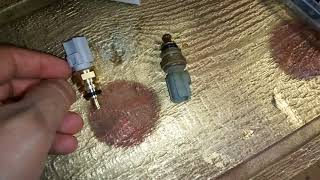
On 2007-2010 4.0L V6 models, it is typically on the top of the thermostat housing. 🎬 Watch this walkthrough for replacing the sensor on V6 models. On 4.6L V8 and 5.0L V8 models, it is usually located on the back of one of the cylinder heads, often under the intake manifold, making it difficult to access. Always consult a repair manual for your specific year and engine to confirm the location.
Are there any recalls for the CHT sensor on my 2007-2015 Mustang?
No, there are no specific safety recalls for the CHT sensor on the 2007-2015 Mustang models. However, TSBs have been issued for similar issues on other Ford vehicles, highlighting that sensor failure is a known problem.
Helpful Videos

Technical Specifications
OEM Part Numbers: JL3Z-6G004-A XL3Z-6G004-AA 1S7Z6G004AA
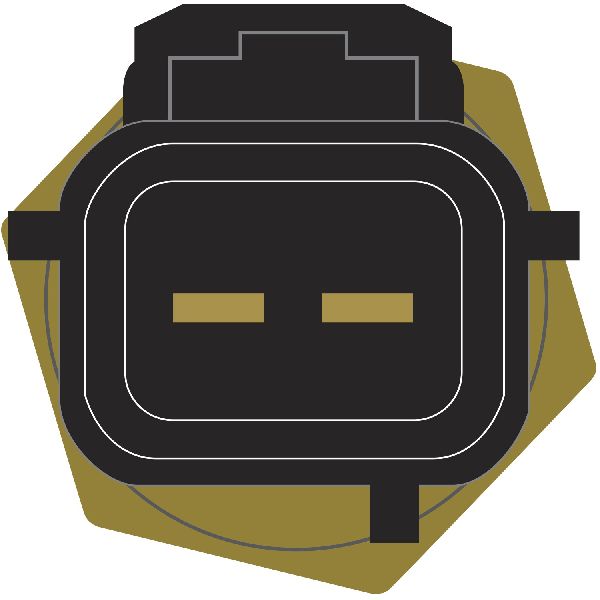
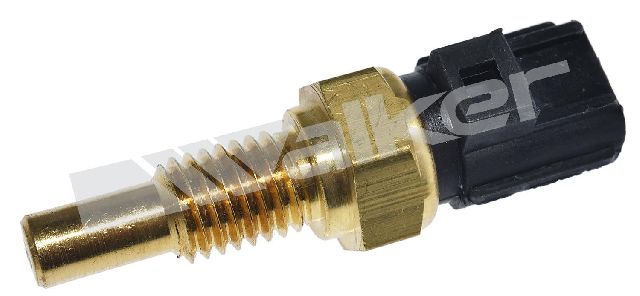
The CHT sensor is a thermistor, meaning its electrical resistance changes based on temperature. The sensor screws into a dry port in the cylinder head and does not come into contact with engine coolant. A 19mm or 3/4" tool is typically required for removal.
We Have This Part in Stock


The information in this article is provided for general reference and educational purposes only. Vehicle specifications, procedures, and part compatibility can vary by production date, trim level, and region. Always consult your vehicle's factory service manual and verify part numbers before purchasing or performing repairs. Safety-critical components such as airbags, seat belts, and braking systems should be installed by a qualified professional.
- Ford Mustang: