

Engine Coolant Temperature Sensor Guide for 2007-2016 BMW Alpina B7
Keep your Alpina B7's high-performance engine running smoothly by understanding and replacing a faulty coolant temperature sensor.
- A failing sensor causes issues like poor fuel economy, overheating, and constant fan operation.
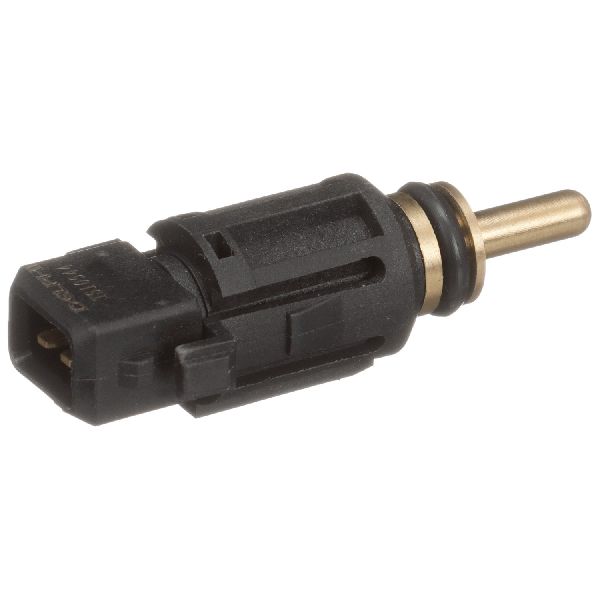
- The sensor (Part No. 13621433076) is in a tight spot on the V8 engine, making replacement challenging.
- Choose high-quality aftermarket brands like Delphi, Vemo, or Beck Arnley for reliability.
- If replacing the thermostat or water pump, replace the sensor at the same time to save on labor.
Understanding Your Alpina B7's Coolant Temperature Sensors
The 2007-2016 BMW Alpina B7 model range spans two different platforms: the E65/E66 (2007-2008) and the F01/F02 (2011-2015). While both are high-performance luxury sedans, they use different engines and can have different sensor setups. Many BMWs from this era use more than one temperature sensor. One sensor, often located in the cylinder head, provides the primary reading for the engine computer (DME). Another sensor may be located in a radiator hose to measure coolant temperature after it passes through the radiator. It's important to correctly identify which sensor has failed before ordering a replacement. The most common sensor, and the one this guide focuses on, is the main engine coolant temperature sensor, part number 13621433076.
Signs of a Failing Coolant Temperature Sensor
A bad coolant temperature sensor can cause confusing symptoms because it sends incorrect information to the engine's computer. The computer might think the engine is cold when it's hot, or vice-versa.
- Check Engine Light: This is often the first sign. A common trouble code is P0128, which indicates the engine isn't reaching its proper operating temperature as quickly as expected.
- Engine Overheating or Running Too Cool: If the sensor fails to report a high temperature, the electric cooling fans may not turn on when needed, leading to overheating. Conversely, a false 'hot' signal can make the fans run constantly at full speed, even when the engine is cold.
- Poor Fuel Economy: If the sensor is stuck sending a 'cold' signal, the computer will enrich the fuel mixture, similar to when a choke is used on an older car. This wastes fuel and can lead to long-term damage to the catalytic converters.
- Black Smoke from Exhaust: An overly rich fuel mixture from a bad sensor signal can result in unburned fuel exiting through the exhaust, appearing as black smoke.
- Erratic Temperature Gauge: While many modern BMWs show oil temperature on the dashboard gauge, a faulty coolant sensor can still cause warning lights or erratic behavior.
Known Issues and Recalls
Searches for the 2007-2016 Alpina B7 did not reveal any specific recalls or Technical Service Bulletins (TSBs) from the NHTSA related to the engine coolant temperature sensor itself. Recalls found for this period were for unrelated issues like door latches.
Choosing the Right Aftermarket Sensor
For a critical component like the ECT sensor on a performance vehicle, quality matters. While an OEM BMW sensor is always an option, several aftermarket brands provide reliable alternatives at a better price. Here’s how to choose:
- Top-Tier Aftermarket (OEM Suppliers): Brands like Delphi, Vemo, and NGK/NTK often manufacture parts for BMW directly. Choosing one of these is the closest you can get to OEM quality without the dealer price tag. They are highly recommended for reliability.
- Reliable Aftermarket: Brands such as Beck Arnley, Standard Ignition (SMP), and Walker Products have a solid reputation for producing quality replacement parts that meet or exceed original specifications. Forum discussions often mention Febi and Meyle as reliable choices as well.
- Budget-Friendly Options: Brands like URO Parts, Facet, and Four Seasons offer significant cost savings. However, quality can sometimes be inconsistent. For a part this critical and labor-intensive to access on an Alpina B7, saving a few dollars on the part itself may not be worth the risk of premature failure. Some forum users have reported issues with fitment or early failure on budget-brand thermostats and sensors for similar BMW models.
Pro Tip: Replace While You're In There
The coolant temperature sensor is often difficult to access. If you are already performing service on the cooling system, such as replacing a water pump or thermostat, it is highly recommended to replace the sensor at the same time. This preventative maintenance can save you significant labor costs down the road.
| Part Type | Estimated Price Range |
|---|---|
| New OEM (Dealer) | $45 - $70 |
| New Aftermarket | $19 - $69 |
| Shop Labor | $150 - $250 |
Frequently Asked Questions (FAQ)
Where is the engine coolant temperature sensor located on the Alpina B7?
On V8 engines like the one in the Alpina B7 (N63 family), the primary coolant temperature sensor is typically located on one of the cylinder heads, near the oil filter housing or a main coolant pipe. Access can be difficult and may require removing other components. Some models also have a second sensor in the lower radiator hose. Always verify the location for your specific model year before beginning work.
Is it difficult to replace the coolant temperature sensor myself?
For an experienced DIY mechanic, the replacement is feasible. However, on the twin-turbo V8 in the F01 Alpina B7, the sensor is in a very tight space. It requires a 22mm deep or offset wrench and patience to avoid breaking surrounding plastic parts. You will also lose some coolant, which must be replaced with the correct type (BMW G48) and the system must be properly bled of air afterwards to prevent overheating. Due to the tight access, many owners may prefer to have a professional shop perform the replacement.
Is this the same as the oil temperature sensor?
No, although they can look identical and sometimes even use the same part number. The Alpina B7 has separate sensors for oil temperature and coolant temperature. The oil temperature sensor is often located in the oil filter housing. Confusing the two is a common mistake.
What happens if I don't replace a bad coolant sensor?
Ignoring a faulty sensor can lead to serious problems. Continuously running a rich fuel mixture can damage expensive catalytic converters. More critically, if the sensor fails to report an overheating engine, it can lead to severe damage like a warped cylinder head or complete engine failure.
Technical Specifications
OEM Part Numbers: 13621433076 13627580635 23017838935
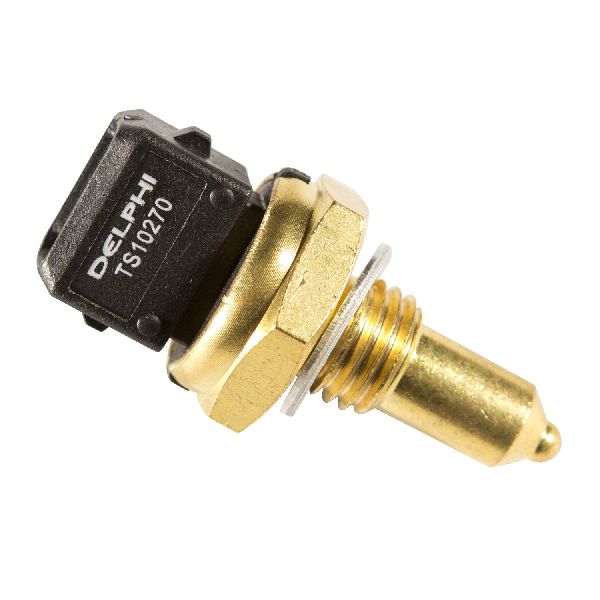
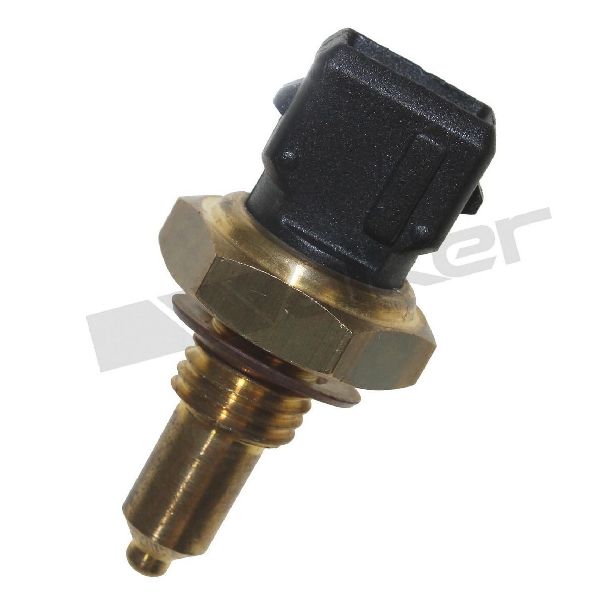
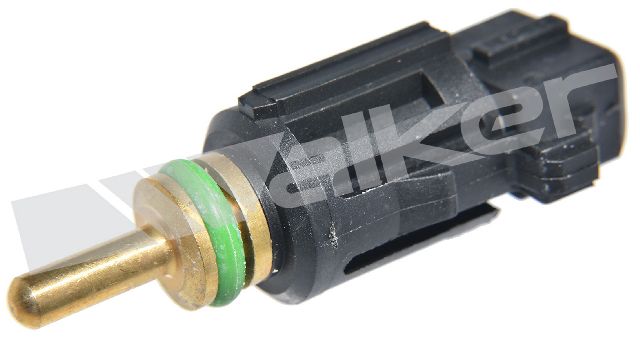
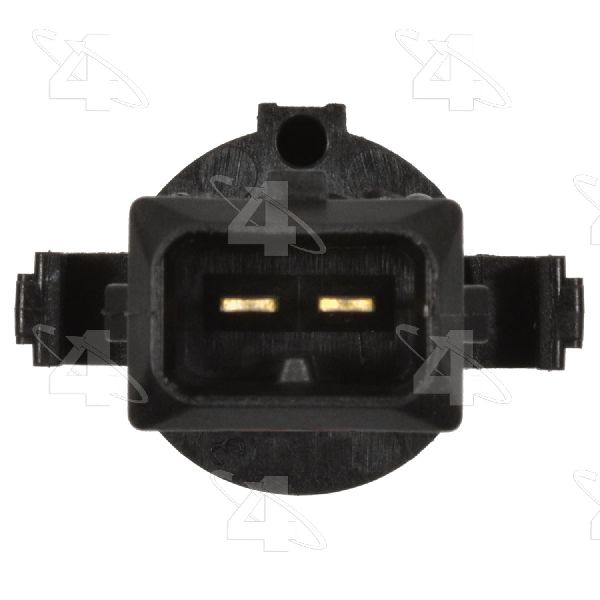
The sensor is a two-pin thermistor that changes its electrical resistance based on coolant temperature. It typically requires a 22mm wrench for removal and installation and uses a sealing O-ring.
We Have This Part in Stock


The information in this article is provided for general reference and educational purposes only. Vehicle specifications, procedures, and part compatibility can vary by production date, trim level, and region. Always consult your vehicle's factory service manual and verify part numbers before purchasing or performing repairs. Safety-critical components such as airbags, seat belts, and braking systems should be installed by a qualified professional.
- BMW Alpina B7: