

Volkswagen Eos Oxygen Sensor Guide: 2007-2016 Replacement Insights
Everything you need to know before replacing an oxygen sensor on your 2007-2016 VW Eos.
- Bosch is the Original Equipment (OE) supplier for the VW Eos; choosing Bosch aftermarket sensors ensures OE quality.
- Always use a direct-fit sensor to avoid wiring issues; universal sensors are not recommended.
- A diagnostic scan is required to identify which sensor (upstream or downstream) has failed before purchasing a replacement.
- Driving with a bad oxygen sensor can lead to poor fuel economy and may damage your expensive catalytic converter over time.
Understanding Oxygen Sensor Failure in Your Eos
The oxygen sensors in your VW Eos are wear-and-tear items. They live in a harsh environment, exposed to extreme exhaust temperatures. Over time, usually between 60,000 and 90,000 miles, they can fail due to age, or become contaminated by oil or coolant leaks. When a sensor fails, it sends incorrect data to the engine computer, leading to a variety of noticeable problems.
Symptoms of a Bad Oxygen Sensor
The most common sign of a failing oxygen sensor is a Check Engine Light on your dashboard. Other symptoms you might experience include:
- Poor Fuel Economy: The engine may run too rich (too much fuel) or too lean (not enough), causing you to use more gas than usual.
- Rough Idle or Misfires: An incorrect air-fuel mixture can make the engine run erratically, especially when stopped.
- Hesitation or Loss of Power: Your Eos might feel sluggish or slow to accelerate.
- Rotten Egg Smell: A strong sulfur smell from the exhaust can indicate a rich fuel mixture that is overwhelming the catalytic converter.
- Failed Emissions Test: A bad oxygen sensor is a common reason for failing a state-mandated emissions inspection.
Potential for Catalytic Converter Damage
Ignoring a bad oxygen sensor for too long can be costly. A persistently rich fuel mixture can overheat and damage the catalytic converter, a much more expensive part to replace.
Choosing the Right Aftermarket Oxygen Sensor
When shopping for a replacement, you'll find many brands. For a German vehicle like the VW Eos, brand choice matters. The original equipment manufacturer (OEM) — the company that made the part for Volkswagen — is Bosch.
Brand Quality Tiers for VW Eos
- Top Tier (OEM Supplier): Bosch is the original supplier for your Eos. Choosing a Bosch sensor is the closest you can get to the dealer part without the dealer price. They offer proven quality and reliability. NGK/NTK and Denso are also top-tier OEM suppliers for many automakers and are excellent, reliable choices if a Bosch sensor is not available.
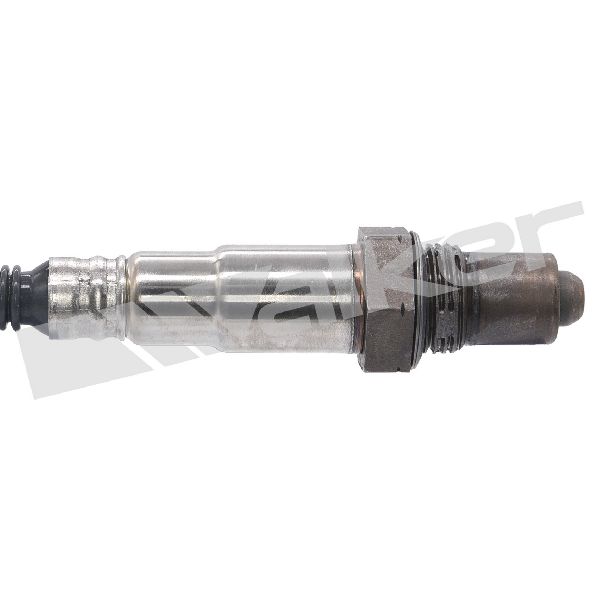
- Mid-Grade: Brands like Delphi, Spectra, and Walker Products often provide a good balance of quality and price. They are established aftermarket manufacturers that produce reliable parts.
- Budget-Friendly: Brands like DriveWire and Facet are typically more budget-oriented. While functional, they may not have the same longevity or precise calibration as top-tier brands.
Always Choose Direct-Fit
Always buy a "direct-fit" sensor. These come with the correct electrical connector for your Eos, making installation a simple plug-and-play process. Avoid "universal" sensors, which require you to cut and splice wires. This can lead to connection problems and is highly discouraged for modern, sensitive engine management systems.
Cost of Replacing an Oxygen Sensor on a 2007-2016 VW Eos
The cost depends on the brand of the part and whether you do the work yourself or hire a professional mechanic.
| Part/Service | Estimated Cost |
|---|---|
| New Aftermarket Oxygen Sensor | $30 - $212 |
| New OEM Oxygen Sensor (Dealer) | $337 - $479 |
| Shop Labor | $102 - $149 |
| Total Professional Replacement | $439 - $629 |
Frequently Asked Questions
How many oxygen sensors does my VW Eos have?
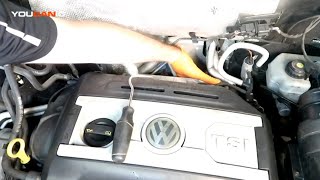
The 2.0L turbocharged engine in the 2007-2016 Eos typically has two oxygen sensors: one upstream (before the catalytic converter) 🎬 Watch: Step-by-step upstream sensor replacement on a 2.0T engine. and one downstream (after the catalytic converter). 🎬 See how to access and replace the downstream sensor. A diagnostic scan is needed to determine which one has failed.
What's the difference between an upstream and downstream sensor?
The upstream sensor (Bank 1, Sensor 1) is a wideband air-fuel ratio sensor that provides real-time data for the engine computer to manage the fuel mixture. The downstream sensor (Bank 1, Sensor 2) primarily monitors the efficiency of the catalytic converter. They are not interchangeable.
Do I need a special tool to replace an oxygen sensor?
Yes, it is highly recommended. A special tool called an oxygen sensor socket is designed with a slit on the side to fit over the sensor's wire. Using one makes removal and installation much easier and helps prevent damage to the new sensor's wiring.
🎬 Watch this walkthrough on using the proper sensor removal tools.Can I clean my old oxygen sensor?
While you might see methods for cleaning sensors online, it is not a reliable or recommended repair. The internal sensing elements become contaminated and worn out over time, and cleaning the exterior will not restore their function. Replacement is the only proper fix.
Are there any recalls for the oxygen sensor on my Eos?
No, there are no specific recalls for oxygen sensor failure on the 2007-2016 Volkswagen Eos. Failures are typically due to normal aging and wear. Some recalls for TDI models (not the gas engine in the Eos) involved checking the oxygen sensor, but it was not the primary issue.
Helpful Videos
Technical Specifications
OEM Part Numbers: 06J906262AA 1K0998262N 1K0998262T 1K0998262E
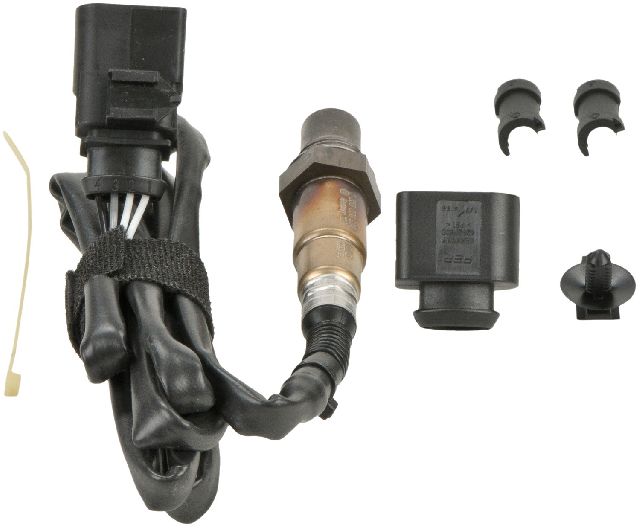
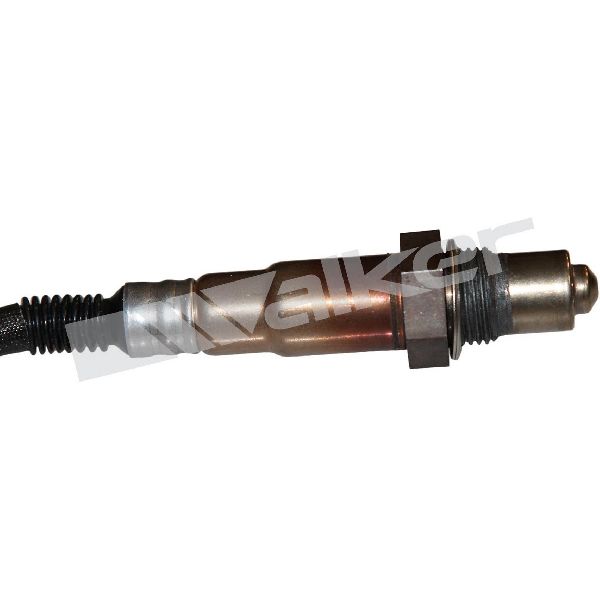
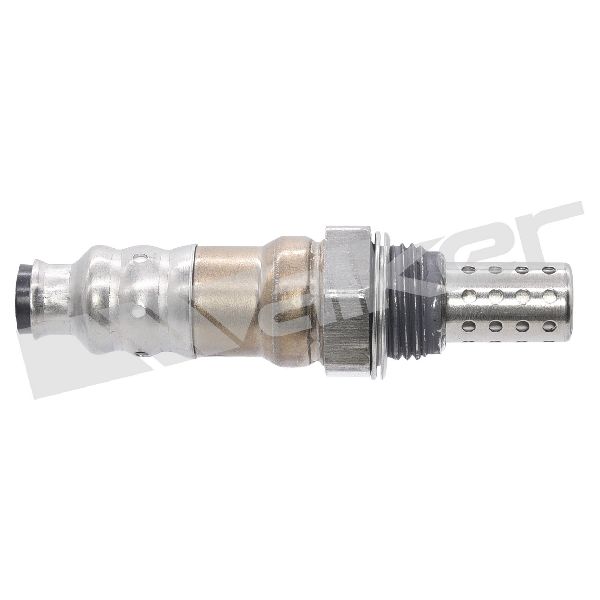
The VW Eos 2.0T uses a wide-band, 5-wire upstream sensor and a standard 4-wire downstream sensor. Both typically use an M18x1.5 thread size. A specific O2 sensor socket is recommended for removal and installation.
We Have This Part in Stock


The information in this article is provided for general reference and educational purposes only. Vehicle specifications, procedures, and part compatibility can vary by production date, trim level, and region. Always consult your vehicle's factory service manual and verify part numbers before purchasing or performing repairs. Safety-critical components such as airbags, seat belts, and braking systems should be installed by a qualified professional.
- Volkswagen Eos:
- 🎬 Helpful Videos
- 🛍️ Shop This Part
- Understanding Oxygen Sensor Failure in Your Eos
- Symptoms of a Bad Oxygen Sensor
- Potential for Catalytic Converter Damage
- Choosing the Right Aftermarket Oxygen Sensor
- Brand Quality Tiers for VW Eos
- Always Choose Direct-Fit
- Cost of Replacing an Oxygen Sensor on a 2007-2016 VW Eos
- Frequently Asked Questions
- 🎟️ Get 5% Off