

Honda CR-V Brake Caliper Guide: Understanding Replacement for 2007-2017 Models
If your CR-V's brakes feel off, a sticking caliper could be the culprit; here's what you need to know.
- Sticking calipers, especially in the rear, are a common problem for 2007-2017 CR-Vs, often caused by corrosion.
- Symptoms include the vehicle pulling, uneven pad wear, and a burning smell from the wheels.
- New aftermarket calipers from brands like Centric, Raybestos, and Powerstop are reliable, cost-effective alternatives to OEM parts.
- Opting for a coated caliper can extend its life by providing better protection against rust, a primary cause of failure.
Is Your CR-V's Brake Caliper Failing?

A brake caliper is a hard-working part that lives in a harsh environment of heat and road grime. For 2007-2017 Honda CR-V models, a common point of failure is the caliper piston or slide pins sticking due to rust and corrosion. This is especially true for vehicles in regions that use road salt in the winter. When a caliper sticks, it can fail to release the brake pad from the rotor, causing constant friction. This guide will help you identify the symptoms of a bad caliper and choose the right new aftermarket replacement.
Common Failure: Sticking Calipers
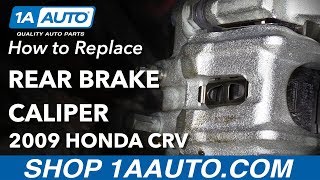
The most frequent issue for this generation of CR-V is a sticking caliper, often on the rear wheels. 🎬 See this step-by-step guide for replacing a rear brake caliper. This can be caused by corroded slide pins or a seized piston. A sticking caliper leads to rapid and uneven brake pad wear, a burning smell, and can even cause the vehicle to pull to one side.
Symptoms of a Bad Brake Caliper

- Vehicle Pulling to One Side: When you brake, a stuck caliper can cause the car to pull towards the side of the good caliper, or it may pull toward the bad caliper when you're just driving.
- Uneven Brake Pad Wear: If you notice one brake pad is significantly more worn than the other, it's a classic sign of a sticking caliper or frozen slide pins.
- Brake Fluid Leaks: Puddles of oily fluid near your wheels can indicate a leaking caliper seal. This is a serious safety issue that reduces stopping power.
- Spongy or Soft Brake Pedal: If the brake pedal feels softer than usual or sinks towards the floor, it could be due to a failing caliper seal or air in the brake lines from a leak.
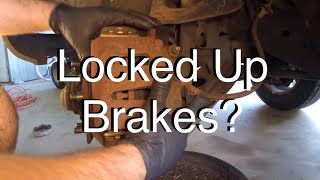
- Squealing or Grinding Noises: While often a sign of worn pads, persistent noise can also mean a caliper is not releasing properly, causing the pads to drag on the rotor. 🎬 Watch: How to diagnose a locked up or dragging brake caliper.
Choosing the Right Aftermarket Caliper

For the 2007-2017 CR-V, new aftermarket calipers are a reliable and cost-effective alternative to expensive OEM parts. Many owners find that quality aftermarket brands provide performance that is perfectly suitable for daily driving. The brands available generally fall into a few tiers:
| Brand Tier | Brands | Description |
|---|---|---|
| Standard Replacement | Centric, Raybestos, Cardone, Dynamic Friction | These brands are well-regarded for providing reliable, daily-driver quality parts that meet or exceed original specifications. They are a popular choice for a balance of quality and cost. Some users have noted occasional quality control issues with remanufactured Cardone parts, but their new parts are generally considered solid. |
| Performance/Upgraded | Powerstop | Powerstop often offers calipers as part of brake kits, sometimes with features like powder coating for better corrosion resistance. They are a good option if you're looking for a slight upgrade or want a complete matched set with pads and rotors. |
| Value-Oriented | BBB Industries | This brand typically offers a functional, budget-friendly option for getting your CR-V back on the road safely. |
New vs. Remanufactured
This guide focuses on new aftermarket calipers. New calipers are made from 100% new components and require no "core charge." Remanufactured calipers are original (OEM) caliper bodies that have been rebuilt with new seals and hardware. While often cheaper, quality can vary between rebuilders. For peace of mind and to avoid potential issues, a new aftermarket caliper is often the better choice.
Honda CR-V Brake Caliper Replacement Cost (2007-2017)

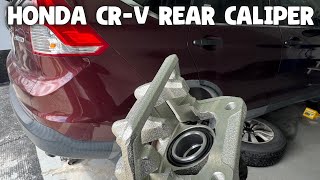
The cost to replace a brake caliper can vary based on your location and whether you do the work yourself. 🎬 Watch this DIY walkthrough for changing calipers on 2012-2016 models. Below are typical price ranges.
| Item | Estimated Cost |
|---|---|
| New Aftermarket Caliper (Single) | $57.72 - $154.67 |
| New OEM Caliper (Single) | $132 - $265+ |
| Shop Labor (Per Caliper) | $137 - $252 |
| Total Professional Replacement (Aftermarket Part) | $195 - $407+ per caliper |
Frequently Asked Questions
Do I need to replace brake calipers in pairs?
While not strictly required like brake pads or rotors, it is good practice. If one caliper has failed due to age and corrosion, the other side is likely not far behind. Replacing them in pairs ensures even braking performance and prevents you from having to do the same job twice in the near future.
What are coated calipers and are they worth it?
Coated calipers have a special paint or plating (like zinc or powder coating) that helps resist rust and corrosion. Given that corrosion is a primary cause of caliper failure on the CR-V, a coated caliper is an excellent investment, especially if you live in a snowy or wet climate. Brands like Powerstop and Raybestos Element3 often feature these coatings.
What is a caliper bracket and do I need to replace it?
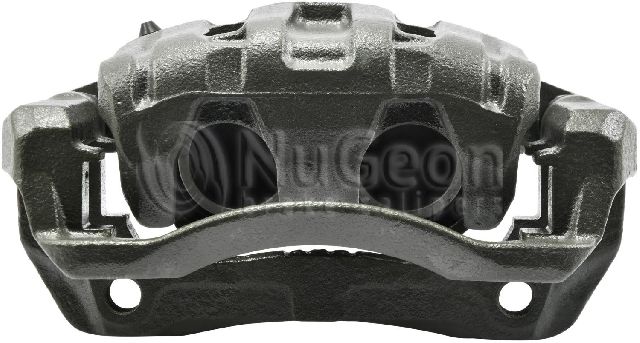
The caliper bracket holds the caliper and the brake pads. You typically do not need to replace the bracket unless it is damaged or heavily corroded. However, it is crucial to clean the bracket and lubricate the caliper slide pins that go into it during any caliper or brake pad replacement. Some new calipers are sold with a new, pre-lubricated bracket already attached.
Were there any recalls for 2007-2017 CR-V brake calipers?
No specific caliper recalls were found for the 2007-2017 Honda CR-V. There was a recall for other Honda models (including some 2016 and 2018-19 HR-V models) for an issue with rear brake caliper pistons, but the 2007-2017 CR-V was not included. There was also an NHTSA investigation into the automatic emergency braking system on 2017-2019 models for activating unexpectedly, but this is unrelated to the mechanical function of the calipers themselves.
Helpful Videos
Technical Specifications
OEM Part Numbers: 45019-SHJ-A01RM (Front Left, 2007-2011) 45019-T0H-A00 (Front Left, 2012-2016) 43019-TLA-A01 (Fits 2017+)
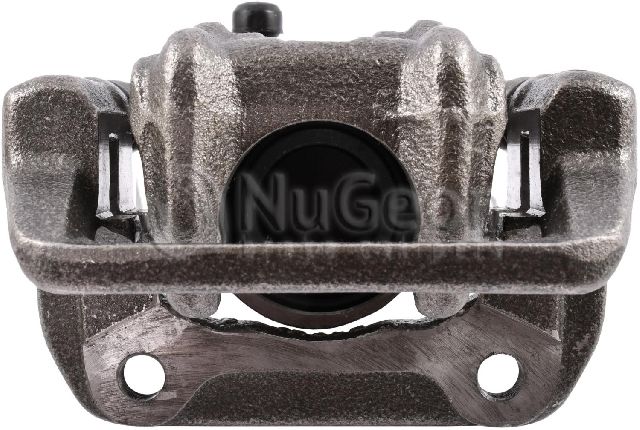
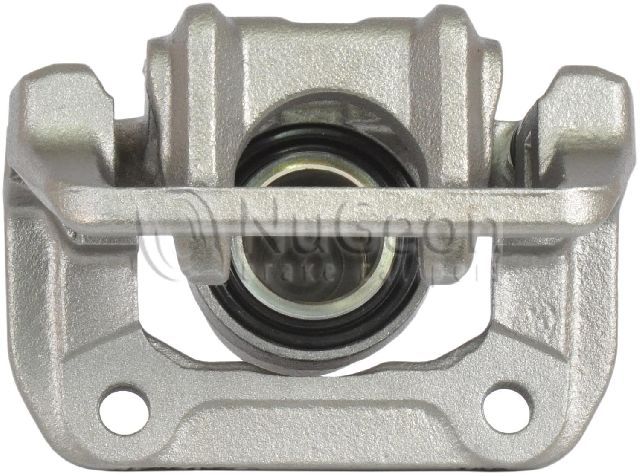
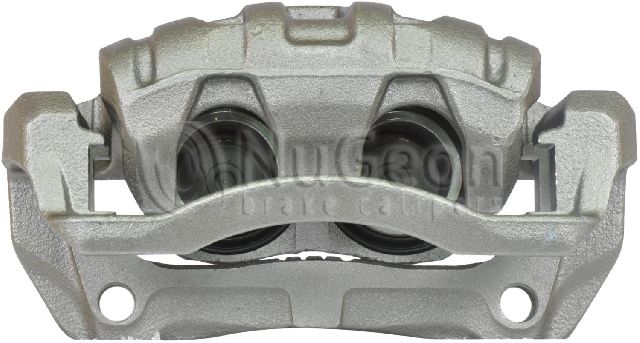
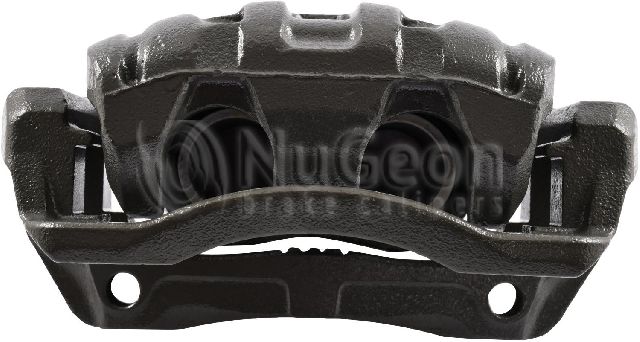
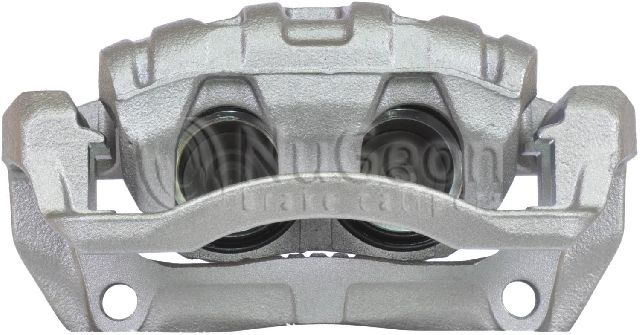
Brake calipers for the 2007-2017 Honda CR-V are typically single-piston floating calipers. They are specific to their position (Front Left, Front Right, Rear Left, Rear Right). Always verify fitment using your vehicle's year and specific sub-model (e.g., EX, LX, AWD).
We Have This Part in Stock

The information in this article is provided for general reference and educational purposes only. Vehicle specifications, procedures, and part compatibility can vary by production date, trim level, and region. Always consult your vehicle's factory service manual and verify part numbers before purchasing or performing repairs. Safety-critical components such as airbags, seat belts, and braking systems should be installed by a qualified professional.
- Honda CR-V: