

Pontiac G8 2008-2009 Ignition Knock Sensor: A Complete Guide
Understanding how to diagnose and choose the right knock sensor for your G8's V6 or V8 engine.
- For V8 models, always replace both knock sensors and the wiring harness at the same time due to the difficult location under the intake manifold.
- Stick to high-quality brands like ACDelco or Delphi to ensure the sensor communicates correctly with your G8's computer.
- Replacement is significantly easier and cheaper on the 3.6L V6 engine than on the 6.0L or 6.2L V8 engines.
- Error codes P0327 and P0332 can be caused by the sensor, the wiring, or corrosion from moisture, especially on V8s.
Is Your Pontiac G8 Knock Sensor Failing?
A bad knock sensor can cause noticeable problems. The most common sign is the check engine light on your dashboard. You might also experience a significant loss of engine power, poor acceleration, and worse gas mileage. This happens because the car's computer, not receiving a correct signal, puts the engine into a 'safe mode' to prevent damage. In some cases, you may hear a pinging or knocking sound from the engine, especially under load.
Don't Ignore a Knock Sensor Code
🎬 Watch: P0332 knock sensor code symptoms and fixes explained.Driving with a faulty knock sensor is not recommended for long. The sensor is your engine's primary defense against detonation. Without it, you risk severe internal engine damage, especially on the G8's powerful V8 engines.
Choosing the Right Aftermarket Knock Sensor for Your G8
When it comes to engine sensors, quality matters. For the Pontiac G8, using a high-quality part that communicates correctly with the factory computer is essential. Aftermarket brands can be grouped into tiers based on quality and reputation.
Brand Quality Tiers
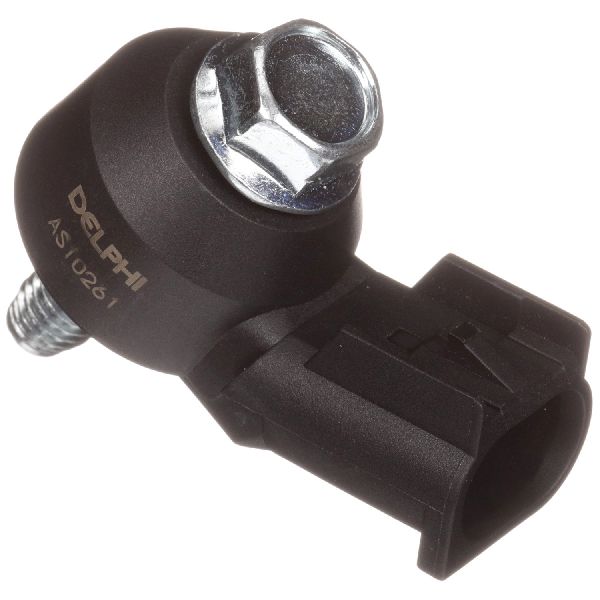
- Tier 1: Premium OEM & OE-Equivalent Brands. These are the most recommended choices. ACDelco is General Motors' own parts brand and is considered original equipment. Delphi was an original parts manufacturer for GM, and their sensors are often identical to ACDelco parts. Bosch is another top-tier global OE manufacturer with a strong reputation. You can't go wrong with these brands.
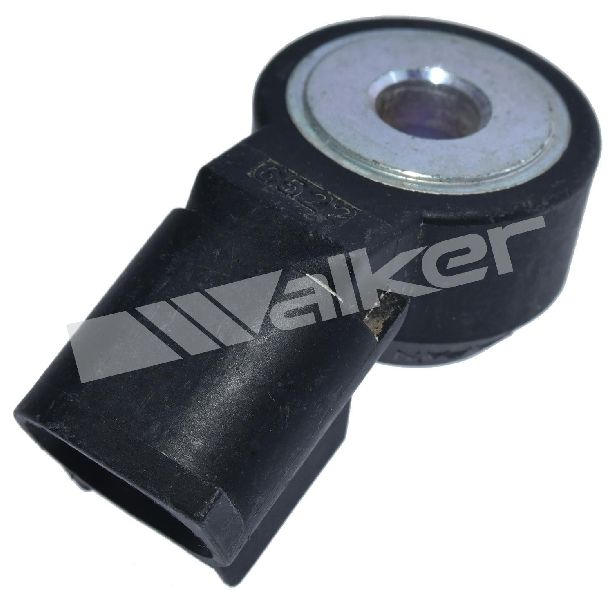
- Tier 2: Quality Aftermarket Brands. Brands like NGK (under their NTK line), Standard Ignition (SMP), and Walker Products have a long history of producing reliable aftermarket components. They offer a good balance of price and quality for G8 owners.
- Tier 3: Economy Brands. This category includes brands like Facet, Global Parts, True Tech, and others. While they are the most affordable, their long-term reliability and sensor accuracy can be inconsistent. They may be a choice for a tight budget, but for a critical sensor like this, investing in a higher-tier part is a safer bet.
How Much Does a Pontiac G8 Knock Sensor Cost?
The cost depends on the brand you choose and who does the work. The job is much more labor-intensive on V8 models than on the V6.
| Part Type | Price Range |
|---|---|
| New Aftermarket Sensor | $14.75 - $55.19 |
| New OEM (ACDelco) Sensor | $45.00 - $70.00 (per sensor) |
| Shop Labor (V6 Models) | $100 - $180 |
| Shop Labor (V8 Models) | $250 - $450 |
Installation Tips & Known Issues
The location of the knock sensors is very different between the G8's engine options.
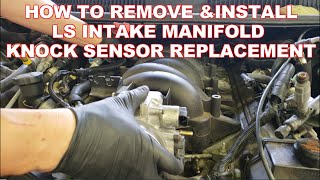
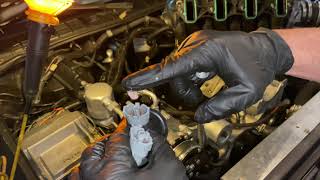
- V8 Models (6.0L GT & 6.2L GXP): Your G8 has two knock sensors. They are located in the valley of the engine block, underneath the entire intake manifold. 🎬 See this walkthrough on removing the intake manifold for replacement. Replacing them requires removing the manifold, which makes it a more complex and time-consuming job.
- V6 Models (3.6L Base): Your G8 also has two knock sensors. One is located on the side of each cylinder bank, making them much easier to access and replace.
Pro Tip for V8 Owners
If you are replacing the knock sensors on a V8, it is highly recommended to also replace the short wiring harness that connects them. These harnesses are known to become brittle and fail from heat and exposure to moisture that can collect in the engine valley, causing the exact same error codes as a failed sensor. While the intake is off, it's also a good idea to clean out any debris from the sensor cavities and replace the intake manifold gaskets.
Frequently Asked Questions
How many knock sensors does my 2009 Pontiac G8 have?
All 2008-2009 Pontiac G8 models, whether V6 or V8, are equipped with two knock sensors.
Where are the knock sensors located on the G8?
On V8 models (GT and GXP), they are under the intake manifold. On V6 models, there is one on the exterior of each engine bank.
🎬 Watch: How to replace a knock sensor on GM V6 engines.My check engine light is on for a knock sensor. Do I have to replace it?
Not always. While a failed sensor is common, the error codes (like P0327 or P0332) can also be caused by a bad wiring harness or connector. On some GM vehicles, there have also been Technical Service Bulletins (TSBs) where a software update for the Engine Control Module (ECM) was needed to fix false codes. It's important to diagnose the issue correctly before replacing parts.
Should I replace both knock sensors at the same time?
Yes, it is highly recommended. If one sensor has failed due to age and heat cycles, the other is likely not far behind. On V8 models, the labor involved in removing the intake manifold makes it cost-effective to replace both sensors and the harness at the same time to avoid doing the job twice.
Helpful Videos

Technical Specifications
OEM Part Numbers: 12623730 12570125
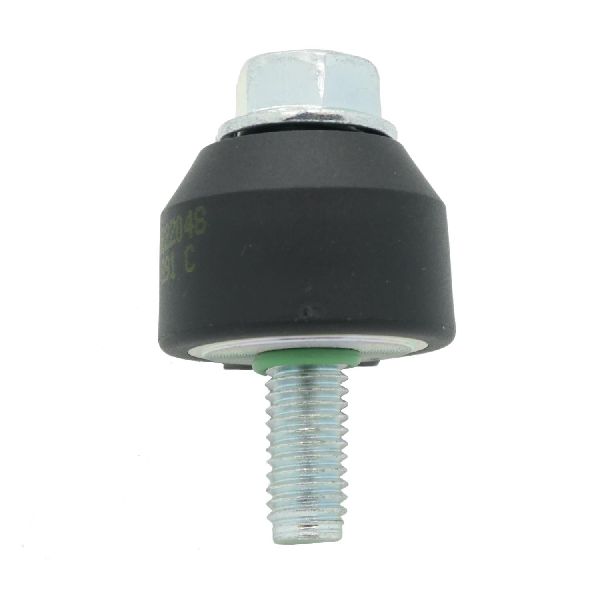
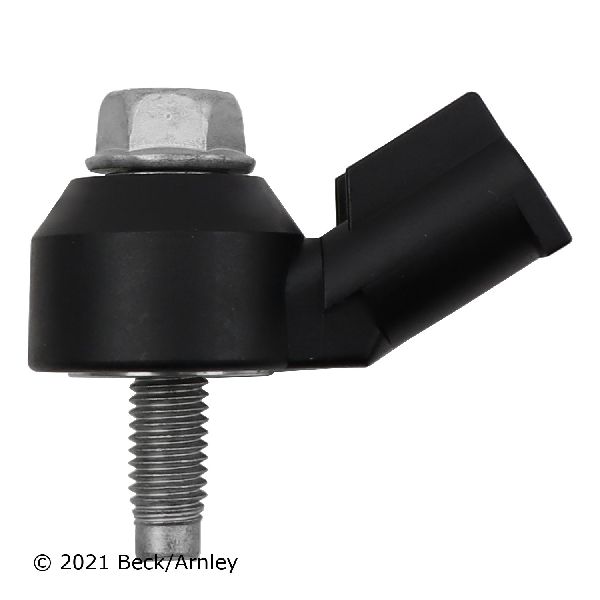
The Pontiac G8 uses two bolt-on piezoelectric knock sensors. V8 models require removing the intake manifold for access, while V6 models have them located on the engine block.
We Have This Part in Stock


The information in this article is provided for general reference and educational purposes only. Vehicle specifications, procedures, and part compatibility can vary by production date, trim level, and region. Always consult your vehicle's factory service manual and verify part numbers before purchasing or performing repairs. Safety-critical components such as airbags, seat belts, and braking systems should be installed by a qualified professional.
- Pontiac G8:
- 🎬 Helpful Videos
- 🛍️ Shop This Part
- Is Your Pontiac G8 Knock Sensor Failing?
- Don't Ignore a Knock Sensor Code
- Choosing the Right Aftermarket Knock Sensor for Your G8
- Brand Quality Tiers
- How Much Does a Pontiac G8 Knock Sensor Cost?
- Installation Tips & Known Issues
- Pro Tip for V8 Owners
- Frequently Asked Questions
- 🎟️ Get 5% Off