

A Guide to the Automatic Transmission Mount for the 2008-2012 Honda CR-V
Feeling a shake or hearing a clunk in your CR-V? Your transmission mount might be the problem.
- The most common signs of failure are vibrations at idle and a loud 'clunk' when shifting into gear.
- For the smoothest ride, a genuine Honda (OEM) mount is highly recommended as cheap aftermarket parts often cause vibration problems.
- Replacing a bad mount promptly can prevent damage to other components like axles and hoses.
- No recalls have been issued for the transmission mount on the 2008-2012 CR-V.
Is Your CR-V Shaking or Making Clunking Noises?

If you've noticed a new vibration in your steering wheel or seat, especially when you're stopped at a light, your transmission mount may have failed. This part works hard to keep your ride smooth, but the rubber can wear out, crack, or break over time. When it fails, the transmission can move and shake too much, leading to symptoms you can feel and hear.
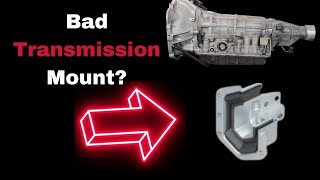
🎬 Watch: 7 signs of a bad transmission mount to look for.Top Symptoms of a Bad Transmission Mount
- Excessive Vibration: This is the most common sign. You'll feel a strong vibration through the steering wheel, floor, or seats, particularly when the CR-V is in gear and stopped (idling).
- Clunking or Banging Noises: A loud "clunk" or "thud" when you shift from Park to Drive or Reverse is a classic symptom. You might also hear it when you accelerate quickly or brake hard. This is the sound of the transmission lurching and hitting other parts.
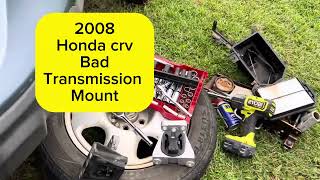
- Engine Movement: If you have a helper, you can check for this. With the hood open and the car in Drive (and your foot firmly on the brake), have the helper lightly press the gas. If the engine and transmission assembly visibly lurches or rocks excessively, the mount is likely bad. 🎬 See a real-world example of a bad CR-V mount in action.
Known Issues for the 2008-2012 Honda CR-V
Searches of the National Highway Traffic Safety Administration (NHTSA) database show no specific recalls or technical service bulletins (TSBs) for the automatic transmission mount on this generation of CR-V. However, a bad mount can put extra stress on other parts like CV axles, hoses, and the exhaust system, so it's important to replace it promptly.
Choosing the Right Aftermarket Transmission Mount

When shopping for a new transmission mount, you'll find Original Equipment (OEM) and various aftermarket brands. For Hondas, the choice you make can significantly impact ride quality.
OEM vs. Aftermarket Quality
Honda is known for engineering its mounts with a specific rubber hardness (durometer) to absorb the unique vibrations of its engines. This is why an OEM mount almost always provides the smoothest and quietest performance. Many aftermarket mounts, especially budget options, use a harder rubber compound. While this makes them durable, it can transfer more engine vibration into the car, sometimes making the ride feel worse than it did with the old, broken mount. Softer aftermarket mounts may feel good initially but can wear out very quickly.
Pro Tip: If your main goal is to restore the original smooth ride of your CR-V, spending a little extra on an OEM or a premium aftermarket part is often worth the investment to avoid vibration issues.
Aftermarket Brand Tiers
- Premium Aftermarket (Pioneer): Brands like Pioneer Automotive Industries aim to be a high-quality alternative to OEM. They often focus on matching the original fit and function, using application-specific materials to control vibration. While they may not be identical to the factory part, they are generally a better choice than budget options.
- Economy Aftermarket (Anchor, DEA): Brands like Anchor and DEA are widely available and very affordable. However, they are frequently criticized in owner forums for causing significant vibration issues in Hondas or failing in as little as one year. These are a budget-friendly fix, but be prepared for a potential trade-off in ride comfort and longevity.
Cost of Replacing a 2008-2012 CR-V Transmission Mount
| Part Type | Estimated Cost |
|---|---|
| New Aftermarket Mount | $70 - $159 |
| New OEM Mount | $100 - $160 |
| Shop Labor | $190 - $280 |
| Total Professional Replacement | $260 - $440 (Aftermarket) / $290 - $440 (OEM) |
Frequently Asked Questions (FAQ)

Is it hard to replace the transmission mount myself?
For a DIYer with a good set of tools and some experience, this is a moderately difficult job. You will need to remove the air filter box and possibly the battery and battery tray to get access. The most critical step is to safely support the transmission from underneath with a floor jack and a block of wood before you unbolt the old mount. The job typically takes 1.5 to 2.5 hours.
🎬 Watch this walkthrough for the easiest way to replace the mount.Do I need to replace all the engine and transmission mounts at once?
You don't have to, but it's often a good idea. Mounts tend to wear out at a similar rate. When one fails completely, it puts extra stress on the others, causing them to fail sooner. If you are paying a mechanic for labor, replacing them all at the same time can save you money in the long run.
What is NVH?
NVH stands for Noise, Vibration, and Harshness. It's a term used to describe the comfort level of a vehicle's ride. A good transmission mount will reduce NVH, while a cheap, poorly made one can increase it.
Can a bad transmission mount damage other parts?
Yes. The excessive movement from a failed mount can put stress on and cause premature wear to other components like the CV axles, exhaust pipes, coolant hoses, and wiring. It can also cause the other engine mounts to fail faster.
Helpful Videos
Technical Specifications
OEM Part Numbers: 50850-SWA-J82 50850-SWA-A82 50850-SWC-E02 50850-T0A-A81
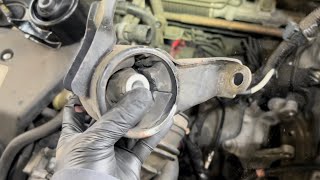
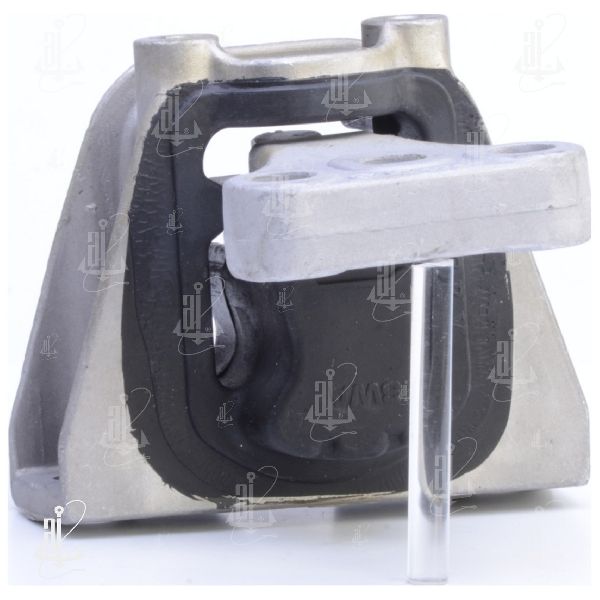
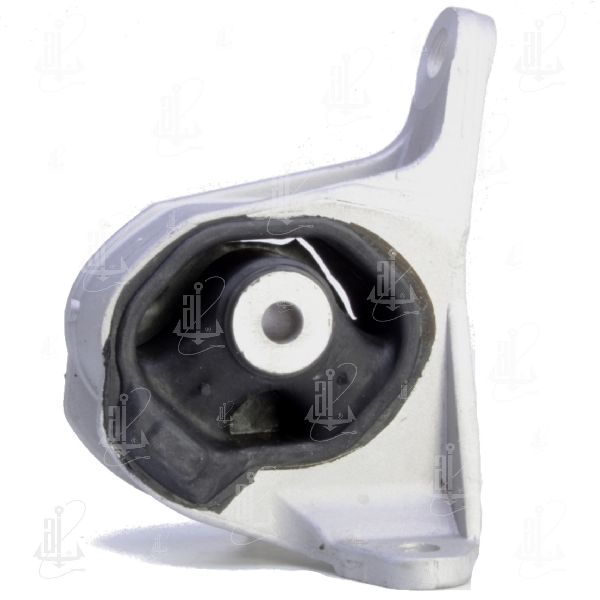
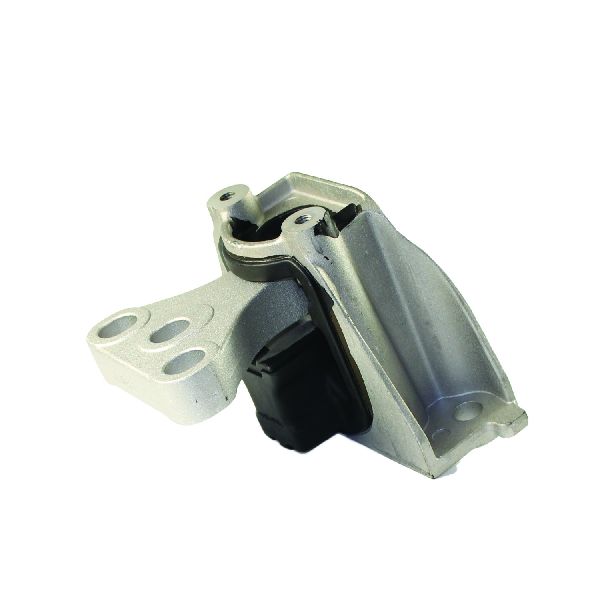
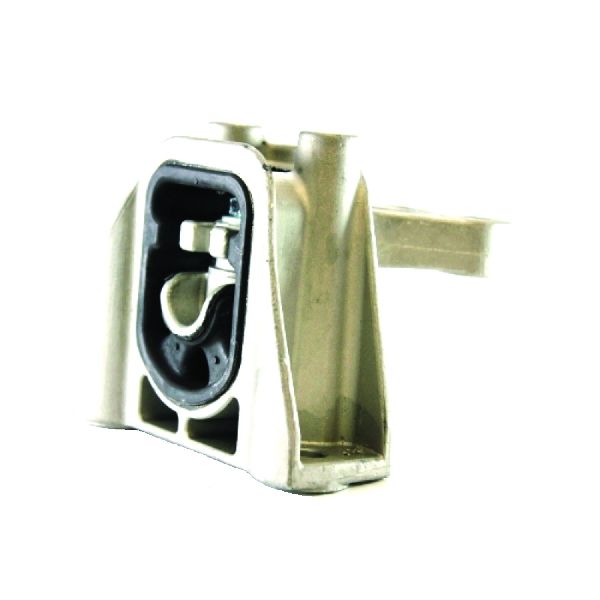
The automatic transmission mount is located on the driver's side of the engine bay, under the air intake assembly. It consists of a metal bracket and a bonded rubber insulator to secure the transmission and absorb vibration.
We Have This Part in Stock


The information in this article is provided for general reference and educational purposes only. Vehicle specifications, procedures, and part compatibility can vary by production date, trim level, and region. Always consult your vehicle's factory service manual and verify part numbers before purchasing or performing repairs. Safety-critical components such as airbags, seat belts, and braking systems should be installed by a qualified professional.
- Honda CR-V:
- 🎬 Helpful Videos
- 🛍️ Shop This Part
- Is Your CR-V Shaking or Making Clunking Noises?
- Top Symptoms of a Bad Transmission Mount
- Known Issues for the 2008-2012 Honda CR-V
- Choosing the Right Aftermarket Transmission Mount
- OEM vs. Aftermarket Quality
- Aftermarket Brand Tiers
- Cost of Replacing a 2008-2012 CR-V Transmission Mount
- Frequently Asked Questions (FAQ)
- 🎟️ Get 5% Off