

Engine Camshaft Position Sensor for the 2008-2012 Volkswagen Golf
If your Golf is stalling, running rough, or won't start, a faulty camshaft position sensor could be the culprit.
- A bad camshaft sensor will usually cause a Check Engine Light with codes like P0340 or P0341.
- Symptoms include hard starting, stalling, rough idle, and poor acceleration.
- For VWs, it is highly recommended to use high-quality aftermarket brands like Delphi, Bremi, or NGK to avoid future issues.
- Replacement is a simple DIY job for most owners, typically requiring only a T30 Torx driver and less than 30 minutes.
Is Your Golf Acting Up? It Could Be the Camshaft Position Sensor
A failing camshaft position sensor in a 2008-2012 VW Golf can cause some frustrating and noticeable problems. Because this sensor is key to engine timing, a bad signal can throw everything off. You'll likely see a Check Engine Light first, but other symptoms like a rough idle, engine stalling (sometimes while driving), difficulty starting the car, and a general lack of power or hesitation when you accelerate are all common signs. Ignoring these symptoms isn't a good idea, as a complete sensor failure could leave you stranded.
Engine Differences Matter
The 2008-2012 Golf was available with different engines, most commonly the 2.5L 5-cylinder and the 2.0T (TSI) in the GTI. These engines use different part numbers for the camshaft position sensor. The 2.5L typically uses part number 07K907601A, while the 2.0T often uses 07L905163C. Always verify the correct part for your specific engine before ordering.
Choosing the Right Aftermarket Sensor for Your VW
Volkswagen engines can be sensitive to electronic sensors. While an OEM part from the dealer is always an option, high-quality aftermarket parts can offer the same performance for less money. However, not all aftermarket brands are created equal, especially for German vehicles. It's generally recommended to avoid the cheapest, no-name options, as they have a reputation for failing early and causing the same problems all over again.
Brand Quality Tiers for Your Golf
- Top Tier (OEM Supplier Quality): Brands like Delphi, Bremi, Hitachi, and NGK are often original equipment suppliers or have a strong reputation for producing reliable sensors that meet or exceed OE standards. For a critical part like this, choosing from this tier gives you the best chance of a long-lasting, trouble-free repair.
- Mid Tier (Reliable Aftermarket): Brands such as Standard Ignition (SMP), Dorman, and Walker Products offer a good balance of quality and value. They are generally well-regarded and provide a dependable alternative to more expensive options. However, some mechanics have mixed experiences with Dorman's electronic parts.
- Economy Tier (Budget-Focused): Brands like Vemo, Facet, and other lower-priced options can be tempting. While they may work initially, their long-term reliability and signal accuracy can be inconsistent on sensitive VW engines. Using these parts can sometimes mean you'll be doing the job again sooner than you'd like.
Pro Tip: Many forum users and mechanics strongly recommend using an OEM or OEM-supplier brand (like Delphi) for critical sensors on VWs to avoid compatibility issues and premature failure.
Associated Issues & Bulletins
No specific recalls from the NHTSA were found for a faulty camshaft position sensor on the 2008-2012 Golf. However, VW has issued Technical Service Bulletins (TSBs) related to camshaft position sensor fault codes (like P0016 and P0340) that are sometimes caused by other issues. For the 2.0T engine, a known TSB (2028302) points to a faulty timing chain tensioner that can cause the timing to jump, which in turn triggers camshaft sensor codes. For the 2.5L engine, a TSB (2032173) discusses diagnosing the camshaft adjustment valve (N205) when certain codes appear. This means that while the sensor itself might be the problem, it's sometimes just a symptom of a different mechanical issue.
Cost & Replacement Info
Replacing the camshaft position sensor is a relatively simple job on most Golf engines from this era, making it a great DIY task for a home mechanic. The sensor is usually located on the cylinder head and held in by a single bolt.
| Item | Estimated Cost |
|---|---|
| New Aftermarket Sensor | $21 - $113 |
| New OEM Sensor | $94 - $172 |
| Shop Labor | $140 - $221 |
| Total Shop Repair (Aftermarket Part) | $161 - $334 |
| Total Shop Repair (OEM Part) | $234 - $393 |
Note: Labor costs can vary significantly by location. Some estimates for this repair are higher, potentially including more diagnostic time.
Frequently Asked Questions
Can I drive my Golf with a bad camshaft position sensor?
You might be able to, but it's not recommended. The car could stall unexpectedly in traffic, which is dangerous. It's best to get the sensor replaced as soon as possible.
Is it hard to replace the camshaft sensor myself?
For most 2008-2012 Golf models, it's an easy repair. The sensor is typically accessible on the top or side of the engine and secured with one T30 Torx bolt. You disconnect the electrical plug, undo the bolt, and swap the sensor. The whole process can take less than 30 minutes.
How do I know if it's the camshaft or crankshaft sensor?
While they can cause similar symptoms, the diagnostic trouble code (DTC) will tell you which one is failing. Camshaft sensor codes typically start with P034x (e.g., P0340, P0341), while crankshaft sensor codes start with P032x or P033x. The crankshaft sensor is located on the lower part of the engine.
Do I need to do anything after installing the new sensor?
After replacing the sensor, it's a good practice to clear the engine fault codes using an OBD-II scanner. In most cases, no other special procedure is needed. The car should start and run more smoothly right away.
Technical Specifications
OEM Part Numbers: 07K907601A 07L905163C 7k907601 7l905163 7l905163a 7l905163b
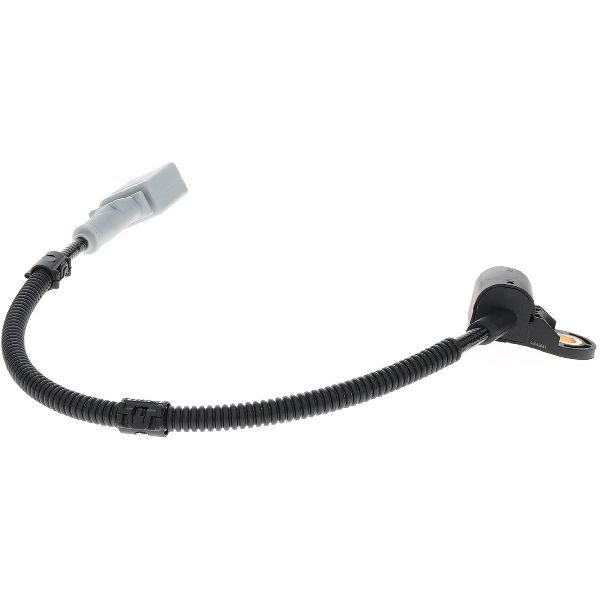
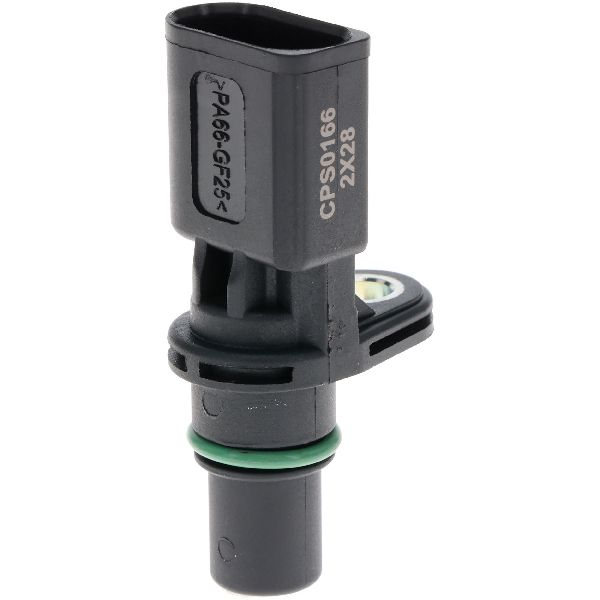
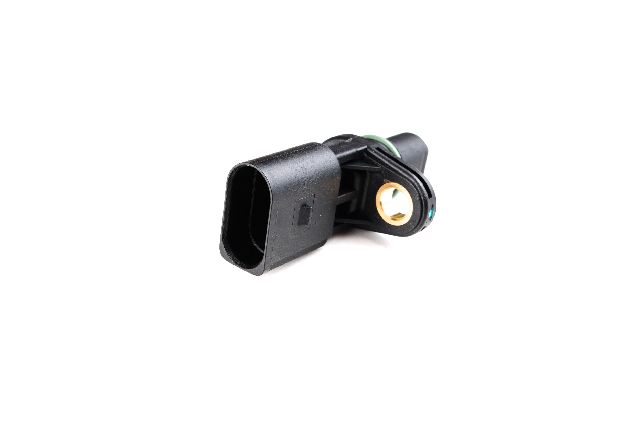
A 3-pin Hall-effect sensor that reads the camshaft's position. The specific part number depends on the engine (2.5L vs 2.0T).
We Have This Part in Stock


The information in this article is provided for general reference and educational purposes only. Vehicle specifications, procedures, and part compatibility can vary by production date, trim level, and region. Always consult your vehicle's factory service manual and verify part numbers before purchasing or performing repairs. Safety-critical components such as airbags, seat belts, and braking systems should be installed by a qualified professional.
- Volkswagen Golf: