

Audi S5 A/C System O-Ring and Gasket Kit Guide (2008-2013)
Losing cool air in your S5? Your A/C system's seals are the likely cause of refrigerant leaks.
- A weak A/C system in your S5 is most likely caused by a refrigerant leak, often from old, hardened o-ring seals.
- Any o-ring replacement requires specialized equipment to evacuate and recharge the system, making professional installation necessary.
- Ensure any aftermarket kit uses HNBR material, which is compatible with the R134a refrigerant in your vehicle.
- When replacing any major A/C component like a compressor or condenser, it is best practice to replace all associated o-rings at the same time.
Is Your S5 A/C Blowing Warm Air?
If your Audi S5's air conditioning is getting weaker or blowing warm air, the most common cause is a refrigerant leak. While a leak can happen anywhere, the connection points sealed by o-rings are frequent culprits. These seals are under constant pressure and exposed to heat, causing them to fail over time. A hissing sound from the vents or engine bay after shutdown, or oily, dyed residue on A/C components are tell-tale signs of a leak.
Professional Service Required
Replacing A/C o-rings is not a simple DIY task for most owners. The system is filled with pressurized refrigerant that must be legally and safely recovered with professional equipment before any lines are opened. After replacing the seals, the system must be vacuumed to remove moisture and recharged with a precise amount of refrigerant and oil. Failure to do so can damage expensive components like the A/C compressor.
Choosing the Right Aftermarket O-Ring Kit
When shopping for a new aftermarket o-ring kit for your 2008-2013 S5, the material is more important than the brand name. Your vehicle uses R134a refrigerant, which requires seals made from Hydrogenated Nitrile Butadiene Rubber (HNBR). This material is specifically designed to resist R134a and the PAG oil used in the system. Using older, standard nitrile (NBR) o-rings will lead to rapid failure.
Brand Quality & Tiers
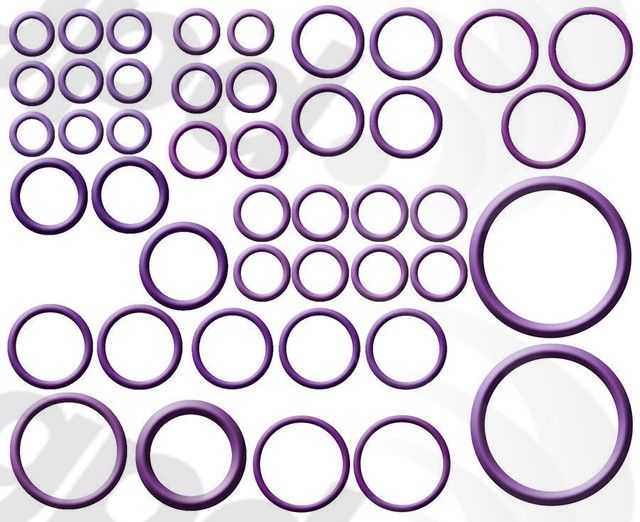
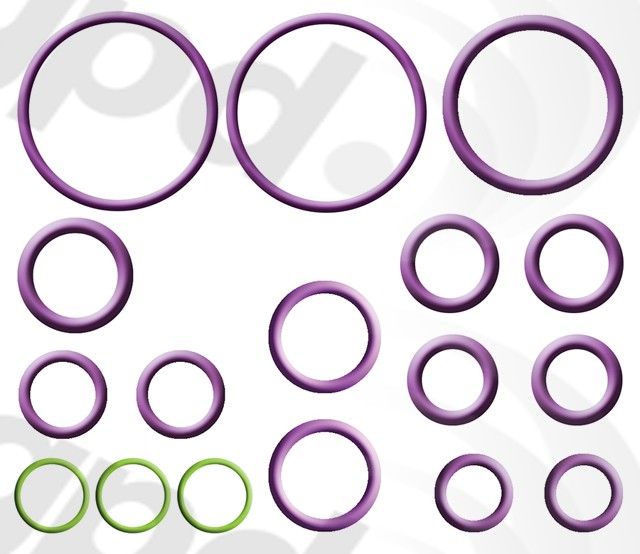
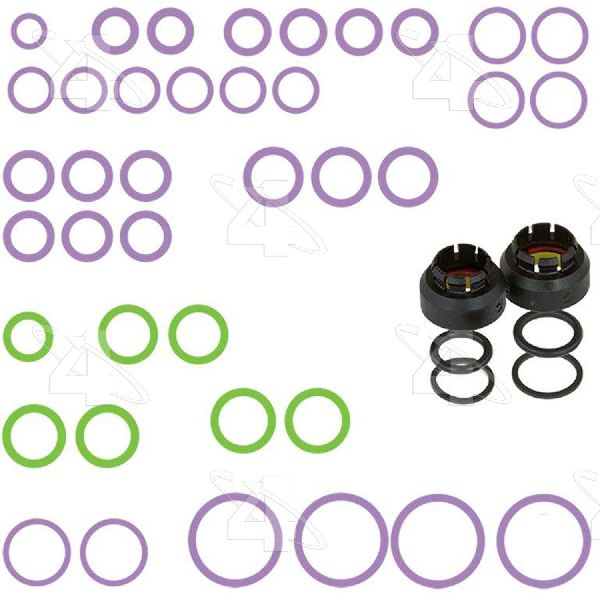
- Standard Aftermarket (Four Seasons, Global Parts): Brands like Four Seasons are widely available and generally considered a standard replacement-grade option. While some users have had mixed experiences with the brand's broader product line, their A/C components are often used without issue. Global Parts (GPD) is another available option in this tier. These kits are an affordable way to get all the necessary seals for a major A/C repair.
- OEM/OE-Equivalent: For peace of mind, you can source kits directly from Audi or from OE suppliers. However, for a part like an o-ring, a quality aftermarket kit made from the correct HNBR material will perform just as well for a fraction of the price.
Pro Tip: Always replace the o-rings on any connection you disconnect. If you are replacing a component like the A/C compressor or condenser, use a new o-ring kit to ensure all connections are fresh and properly sealed. Apply a thin layer of PAG oil to new o-rings before installation to prevent them from tearing.
Known Issues for the 2008-2013 Audi S5
Audi has released Technical Service Bulletins (TSBs) for the B8 platform (which includes your S5) related to A/C leaks. While not recalls, these bulletins acknowledge common failure points:
- TSB 2027213: Points to leaks from the A/C pressure/temperature sensor (G395), which can cause the A/C to stop working. Replacing this sensor requires replacing its o-ring.
- TSB 2064077: Discusses leaks at the expansion valve connections and evaporator core.
- TSB 2071619: Addresses potential leaks from the A/C condenser connections.
These TSBs confirm that sealed connections are known weak points, making a complete o-ring kit a wise purchase during any A/C system repair.
Cost to Replace A/C O-Rings on an Audi S5
| Part/Service | Estimated Cost |
|---|---|
| New Aftermarket O-Ring Kit | $18 - $127 |
| Shop Labor (Evacuate, Replace Seals, Recharge) | $250 - $500 |
| Total Estimated Cost | $268 - $627 |
Frequently Asked Questions
Can I replace just the one leaking o-ring?
While possible, it's not recommended. The labor to evacuate and recharge the system is the same whether you replace one seal or all of them. Since the seals are all the same age, if one has failed, others are likely to fail soon. Using a complete kit is a cost-effective way to prevent future leaks.
Why is the labor so expensive for a cheap part?
The cost is not for replacing the seal itself, but for the process. It involves using a specialized, expensive machine to recover the old refrigerant, pull a deep vacuum on the system to remove air and moisture, and then precisely recharging it with new refrigerant and oil. This process can take 1-2 hours.
What is PAG oil and do I need it?
PAG oil is a special synthetic oil that lubricates the A/C compressor and other moving parts. It circulates through the system with the refrigerant. It is essential to apply a small amount of the correct PAG oil to new o-rings before installation to lubricate them and prevent tearing or pinching, which would cause a leak.
My mechanic found a leak using UV dye. Is that reliable?
Yes, UV dye is a common and effective method for finding refrigerant leaks. A fluorescent dye is added to the A/C system, and when it escapes with the refrigerant, it leaves a residue that is visible under a UV light, pinpointing the exact location of the leak.
Technical Specifications
OEM Part Numbers: 8E0260749KT 4E0-260-749-A
Material: HNBR (Hydrogenated Nitrile Butadiene Rubber)
We Have This Part in Stock

The information in this article is provided for general reference and educational purposes only. Vehicle specifications, procedures, and part compatibility can vary by production date, trim level, and region. Always consult your vehicle's factory service manual and verify part numbers before purchasing or performing repairs. Safety-critical components such as airbags, seat belts, and braking systems should be installed by a qualified professional.
- Audi S5: