

A Ford Escape Owner's Guide to the 2008-2013 HVAC Blower Motor Resistor
If your climate fan only works on the high setting, this guide is for you.
- The most common symptom of failure is the fan only working on the highest setting.
- Replacement is an easy DIY job, located behind the glove box and requiring only an 8mm socket.
- Inspect the electrical connector for melting; if damaged, it must be replaced with the resistor.
- A failing blower motor can cause repeat resistor failures; consider replacing both if it's a recurring issue.
Is Your Ford Escape's Fan Only Working on High?

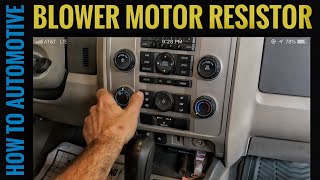
A very common issue for the 2008-2013 Ford Escape is for the climate control fan to suddenly stop working on lower speeds. You'll likely find that settings 1, 2, and 3 do nothing, but setting 4 (high) works perfectly. This is a classic sign that the HVAC blower motor resistor has failed. 🎬 Watch: Diagnosing why your fan only works on high speed. This happens because the highest fan setting gets full power directly and doesn't use the resistor, while the lower speeds do. When the resistor's internal circuits burn out from heat and age, you lose those lower speeds. You might also notice a burning smell from the vents or see visible corrosion or bubbling on the old part when you remove it.
Don't Ignore a Failing Blower Motor
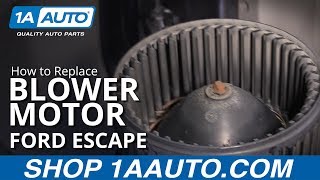
While a bad resistor is the most common cause, a failing blower motor can also be the culprit. An old blower motor that is drawing too much electrical current can cause the new resistor to burn out prematurely. If you've replaced the resistor before or if the fan makes unusual noises, it's wise to inspect the blower motor itself. 🎬 See this step-by-step guide to replacing the blower motor. Sometimes, replacing both the resistor and the blower motor at the same time is the best long-term repair.
Choosing the Right Aftermarket Resistor

For the 2008-2013 Escape, you have several aftermarket options alongside the original Ford (Motorcraft) part. Aftermarket parts can offer significant savings, but quality can vary.
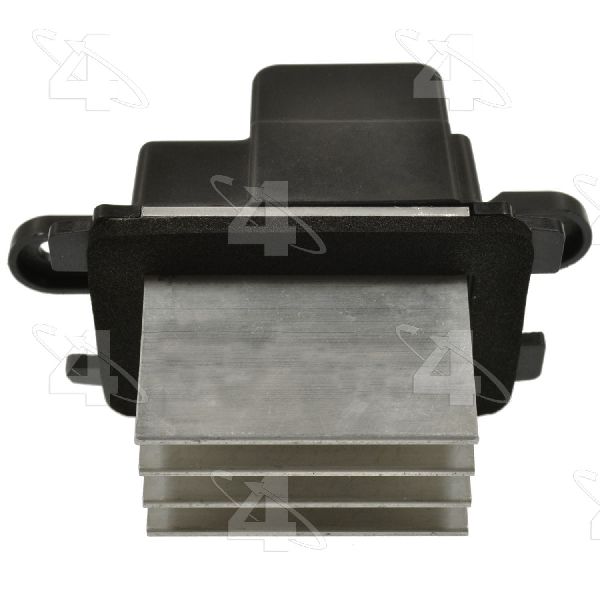
- Premium Aftermarket (e.g., Standard Ignition, Four Seasons): These brands are well-regarded in the industry. They often match OEM specifications and provide reliable performance. Many professional mechanics trust these brands for everyday repairs. Some users report that Four Seasons parts are a good value and perform well.
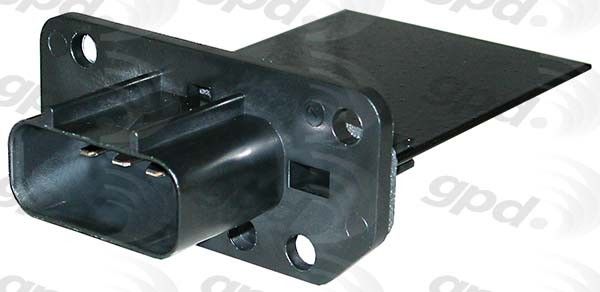
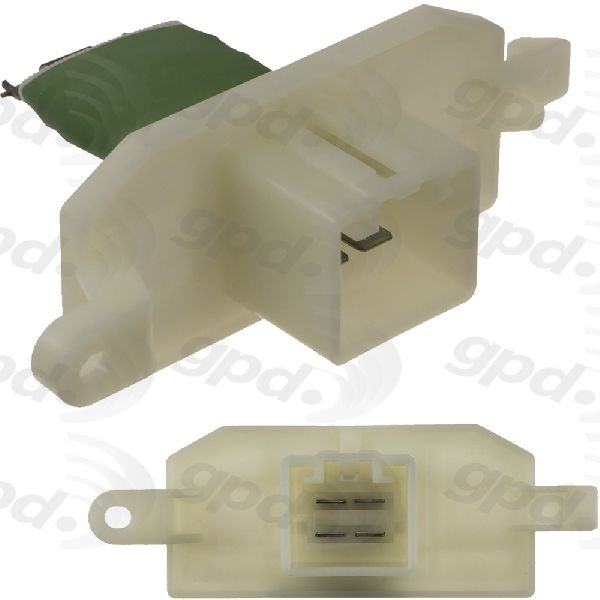
- Value-Oriented (e.g., Dorman, Global Parts, Skyward, True Tech): Brands like Dorman are known for providing accessible and affordable solutions. They often produce parts that meet the basic function of the original and may even include helpful extras like a new wiring pigtail, which is useful if your original connector is melted or corroded. While some users have success with these brands, others express concerns about longevity compared to OEM or premium aftermarket options.
- OEM (Motorcraft): The original Motorcraft part is what your Escape was built with. It's generally considered the highest quality and most reliable option, though it comes at a higher price. Some owners feel it's best to stick with the genuine part to avoid premature failure of cheaper alternatives.
Check Your Connector!
Before ordering, inspect the electrical connector that plugs into your resistor. It's common for these to overheat and melt. If your connector shows any signs of melting, browning, or damage, you must replace it along with the resistor. Many aftermarket kits, like some from Dorman, include a new connector pigtail for this exact reason.
Cost of Replacing the Blower Motor Resistor
| Part Type | Estimated Cost |
|---|---|
| New Aftermarket | $16 - $60 |
| New OEM (Motorcraft) | $50 - $100 |
| Shop Labor | $50 - $125 |
Installation Overview

Replacing the blower motor resistor on a 2008-2013 Escape is a straightforward DIY job that most owners can complete in under 30 minutes.
- Location: The resistor is located behind the glove box.
- Access: Open the glove box and press in on the sides to let it drop down completely. This will give you access to the HVAC housing.
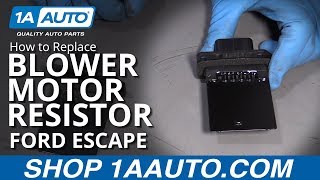
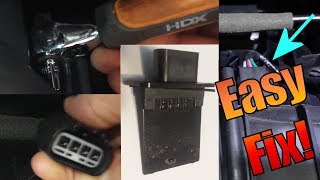
- Removal: Look up behind the glove box area to find the resistor plugged into the top of the HVAC box. Disconnect the electrical plug. The resistor is held in by two 8mm screws. Remove these screws and pull the old resistor straight out. 🎬 Watch: A quick walkthrough of the resistor removal and installation.
- Installation: Insert the new resistor, secure it with the two screws, and reconnect the electrical plug. Test all fan speeds to ensure it's working correctly before putting the glove box back in place.
Important Installation Tip
The resistor relies on the airflow from the fan to keep it cool. Never plug in and test a new resistor while it is dangling outside of the HVAC housing. It can overheat and burn out in seconds. Always make sure the resistor is fully installed in the housing before you turn the key and test the fan.
Frequently Asked Questions
Are there any recalls for the 2008-2013 Ford Escape blower motor resistor?
No, there are no specific recalls issued by Ford or the NHTSA for the HVAC blower motor resistor on this generation of the Escape. However, the issue is a well-documented and common problem among owners.
Do I need a special tool to replace the resistor?
No special tools are required. The job can be done with a simple 8mm socket and a ratchet. A small ratchet or an extension might make it easier to reach the screws in the tight space behind the glove box.
My Escape has automatic temperature control. Does it use a different part?
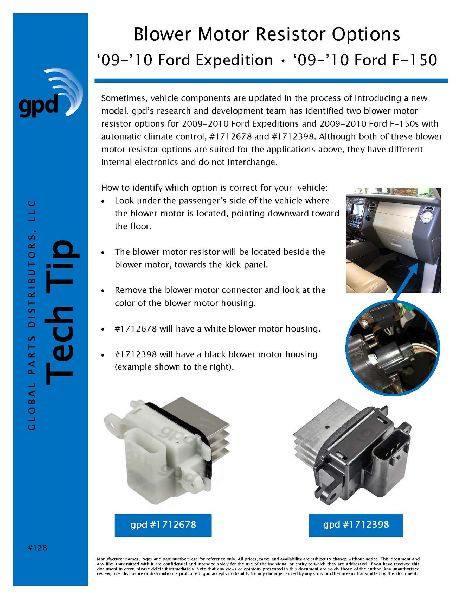
Yes. Models with automatic temperature control (where you set a specific temperature) use a different part, often called a blower motor control module, instead of a resistor. This part is not interchangeable with the resistor used in manual AC systems. Be sure to order the correct part for your vehicle's specific system.
Why did my new aftermarket resistor fail after only a few months?
There are two common reasons for premature failure. First, the quality of some lower-cost aftermarket parts can be inconsistent. Second, and more likely, is that your blower motor is old and failing. A worn-out blower motor draws too much electrical current, which overheats and destroys the resistor. If you have a repeat failure, it is highly recommended to replace the blower motor and the resistor together.
Helpful Videos
Technical Specifications
OEM Part Numbers: 3F2Z-18591-AA YH-1715
This guide applies to 2008-2013 Ford Escape models with manual climate controls. Models with automatic climate control use a different part (a control module). The resistor is held in by two 8mm screws.
We Have This Part in Stock


The information in this article is provided for general reference and educational purposes only. Vehicle specifications, procedures, and part compatibility can vary by production date, trim level, and region. Always consult your vehicle's factory service manual and verify part numbers before purchasing or performing repairs. Safety-critical components such as airbags, seat belts, and braking systems should be installed by a qualified professional.
- Ford Escape:
- 🎬 Helpful Videos
- 🛍️ Shop This Part
- Is Your Ford Escape's Fan Only Working on High?
- Don't Ignore a Failing Blower Motor
- Choosing the Right Aftermarket Resistor
- Check Your Connector!
- Cost of Replacing the Blower Motor Resistor
- Installation Overview
- Important Installation Tip
- Frequently Asked Questions
- 🎟️ Get 5% Off