

A Guide to Replacing Steering Tie Rod Ends on a 2008-2014 GMC Yukon
Here is what you need to know about the signs of failure and how to choose the right replacement part for your truck.
- A bad tie rod on a Yukon will cause clunking noises, loose steering, and uneven tire wear.
- Complete failure can cause a loss of steering control, so address symptoms promptly.
- Premium aftermarket brands like Moog (Problem Solver) and ACDelco (Professional) are highly recommended for this truck.
- A professional wheel alignment is mandatory after replacing tie rod ends to prevent tire damage.
Is My Tie Rod End Failing?
A worn tie rod end becomes loose in its socket. This looseness, or "play," can cause several noticeable problems with your Yukon's steering and handling. Ignoring these symptoms can lead to a complete failure where the tie rod separates, causing a total loss of steering control on one wheel.
Common Symptoms of a Bad Tie Rod End:
- Clunking or Popping Noises: You may hear a distinct clunking or popping sound from the front end, especially when turning at low speeds or going over bumps. This is the sound of the loose joint rattling.
- Loose or Shaky Steering: The steering wheel might feel vague, loose, or like it has excessive play. You may have to constantly correct the steering to keep the truck driving straight.
- Steering Wheel Vibration: A worn tie rod can cause a shimmy or vibration that you feel in the steering wheel, which often gets worse at higher speeds.
- Uneven Tire Wear: A bad tie rod end will knock your front-end alignment out of specification. A classic sign of this is accelerated wear on the inner or outer edge of your front tires.
Known Issues: Recalls & Service Bulletins
While there are no specific recalls or technical service bulletins (TSBs) for premature tie rod end failure on the 2008-2014 GMC Yukon, GM has issued bulletins for related steering issues. TSB #13-02-32-001D addresses power steering noise or fluid leaks in extreme cold, which could damage steering components. There was also a major recall for some 2014 and 2015 models for a sudden loss of electric power steering assist, but this is a separate issue from mechanical tie rod wear.
Choosing the Right Aftermarket Tie Rod End
When replacing tie rod ends, you have a choice between OEM (Original Equipment Manufacturer) and various aftermarket brands. For the GMC Yukon, many aftermarket options are considered equal to or even superior to the original stock parts, often featuring stronger designs or grease fittings for longer life.
Brand Quality Tiers
- Premium Brands (Moog, ACDelco Professional, Rare Parts): These brands are highly regarded in forums by Yukon and Tahoe owners. Moog's "Problem Solver" line and ACDelco's "Professional" series are known for durability and often include improvements over the original design. They are a top choice for owners who want a long-lasting repair.
- OEM-Equivalent Brands (Delphi): Delphi is a known GM supplier, and their parts are often considered a direct, reliable replacement for the original equipment.
- Value Brands (Mevotech, Dorman, QuickSteer, Suspensia): These brands offer a more budget-friendly price point. However, quality can be inconsistent. Some users have good experiences, while others report premature failure. These may be suitable for a temporary fix or if budget is the primary concern, but may not offer the same longevity as premium options.
Pro Tip: Inner vs. Outer Tie Rods
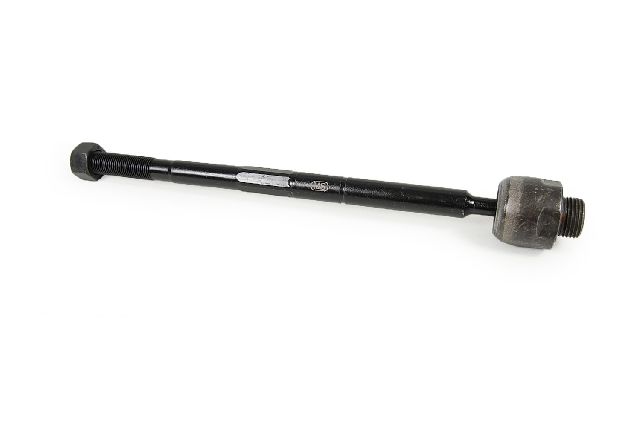
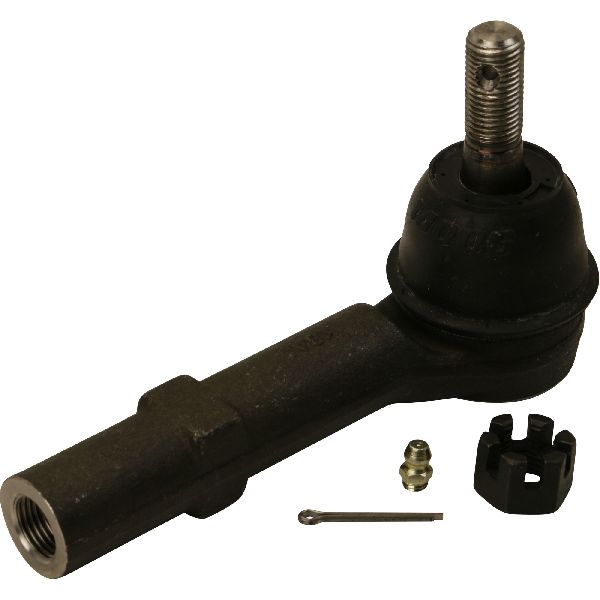
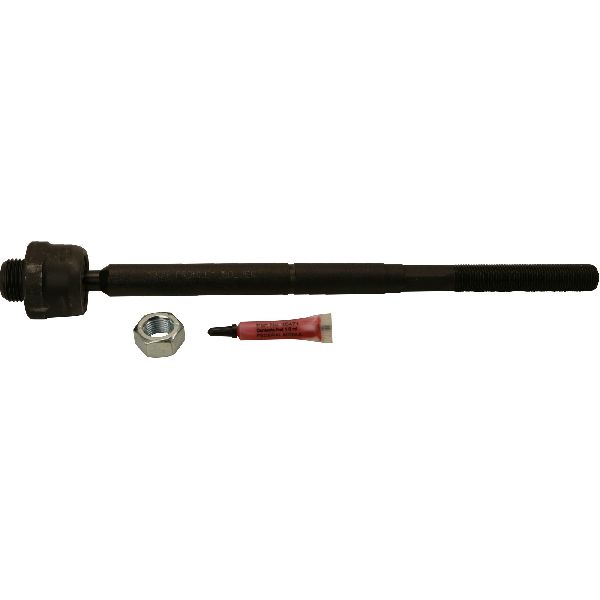
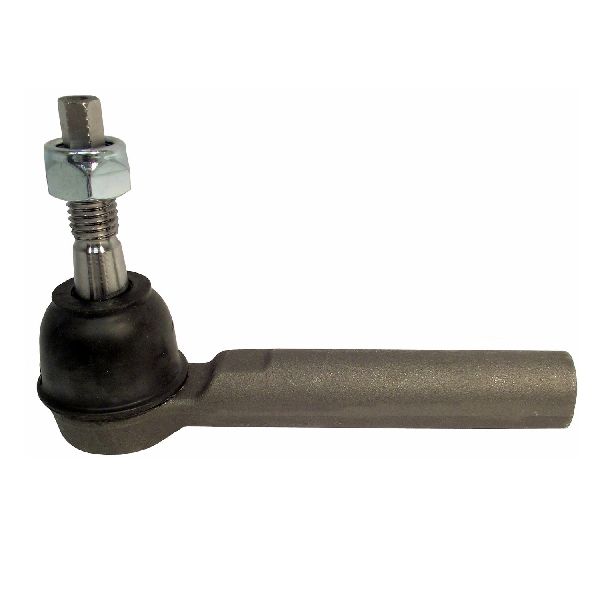
Your Yukon has both inner and outer tie rod ends on each side. The outer ends are the most common failure point. However, if you are replacing the outers, it is a good time to inspect the inners, as well as other steering components like the pitman and idler arms, for wear. Replacing multiple worn components at once can save on labor costs for an alignment, which is required after any tie rod replacement.
Cost of Replacing a GMC Yukon Tie Rod End
The cost can vary based on your location, the brand of parts you choose, and whether you do the work yourself or hire a professional.
| Item | Estimated Cost |
|---|---|
| Aftermarket Outer Tie Rod End (Single) | $30 - $85 |
| OEM Outer Tie Rod End (Single) | $70 - $150 |
| Shop Labor (Per Side) | $60 - $100 |
| Required: Front End Alignment | $80 - $150 |
Frequently Asked Questions
Do I need to replace both sides at the same time?
It is not strictly necessary, but it is highly recommended. Steering and suspension components tend to wear at similar rates. If one side has failed, the other is likely not far behind. Replacing them in pairs ensures balanced handling and saves you a future trip to the shop.
Is an alignment really necessary after replacing a tie rod?
Yes, absolutely. Replacing a tie rod end will change your vehicle's toe alignment settings. Skipping the alignment will cause poor handling and will quickly destroy your front tires. Always get a professional alignment after replacement.
What is the difference between an inner and outer tie rod end?
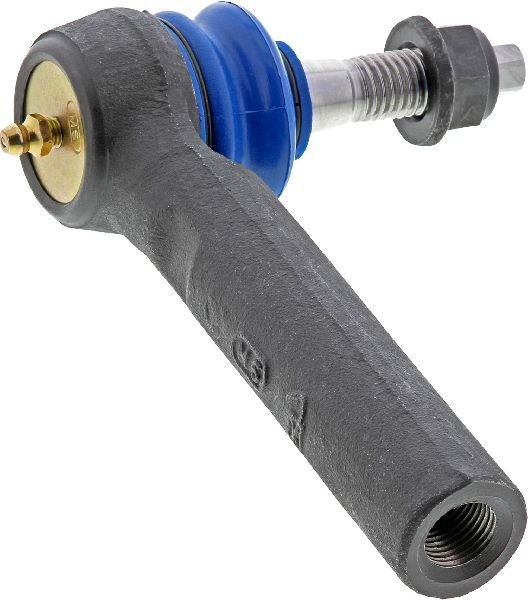
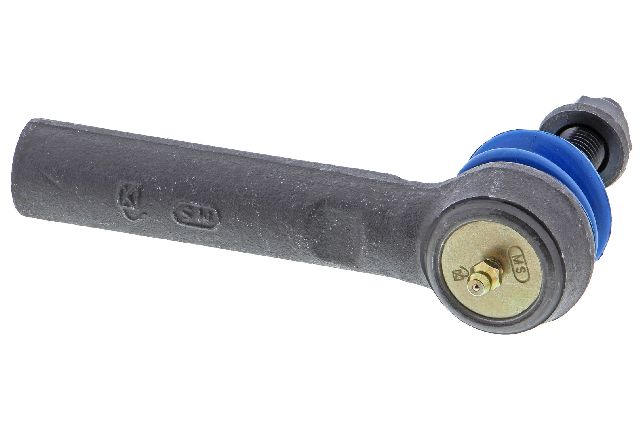
The outer tie rod end connects the steering knuckle (at the wheel) to the inner tie rod end. The inner tie rod end connects to the steering rack itself. The outer ends have a ball joint that pivots more and typically wears out faster.
Can I replace a tie rod end myself?
Yes, this is a job that a DIY mechanic can handle with the right tools, which may include a tie rod puller or a large hammer to separate the joint. However, you will still need to take the vehicle to a shop for a professional alignment immediately after.
Technical Specifications
The 2008-2014 GMC Yukon uses a steering system with separate inner and outer tie rod ends connected by an adjusting sleeve. Most aftermarket outer tie rod ends for this vehicle will feature a castle nut with a cotter pin for security.
We Have This Part in Stock

The information in this article is provided for general reference and educational purposes only. Vehicle specifications, procedures, and part compatibility can vary by production date, trim level, and region. Always consult your vehicle's factory service manual and verify part numbers before purchasing or performing repairs. Safety-critical components such as airbags, seat belts, and braking systems should be installed by a qualified professional.
- GMC Yukon:
- 🛍️ Shop This Part
- Is My Tie Rod End Failing?
- Common Symptoms of a Bad Tie Rod End:
- Known Issues: Recalls & Service Bulletins
- Choosing the Right Aftermarket Tie Rod End
- Brand Quality Tiers
- Pro Tip: Inner vs. Outer Tie Rods
- Cost of Replacing a GMC Yukon Tie Rod End
- Frequently Asked Questions
- 🎟️ Get 5% Off