

A Toyota Camry Owner's Guide to Engine Mount Replacement (2008-2018)
If your 2008-2018 Toyota Camry is vibrating or making clunking noises, a bad engine mount is the likely cause.
- Excessive vibration at idle is the number one sign of a bad engine mount on a 2008-2018 Camry.
- Using cheap aftermarket mounts often results in continued or worsened vibration issues; OEM parts are strongly recommended for this specific repair.
- For best results and to prevent premature failure of the new parts, it's best to replace all engine and transmission mounts as a complete set.
- No recalls or specific TSBs were found for engine mount failure on these Camry models.
Is Your Camry Shaking at Stop Lights?

One of the most common complaints from 2008-2018 Toyota Camry owners is a noticeable vibration, especially when the car is stopped and in gear. You might feel it in the steering wheel, the dashboard, or the entire car. Other signs of a failing engine mount include:
- Clunking or Thumping Noises: You may hear a loud clunk when you accelerate, decelerate, or shift gears. This is the sound of the engine moving and hitting other components because the mount is no longer holding it securely.
- Rough Shifting: As the engine and transmission move around, gear changes can feel jerky or harsh.
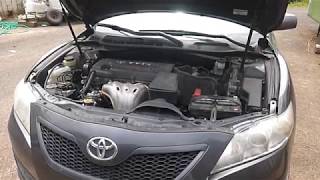
- Visible Engine Movement: If you have a helper, you can sometimes see the engine lift or rock excessively when shifting from Drive to Reverse with the brakes applied. 🎬 Watch: How to diagnose faulty motor mounts on your Camry
Choosing the Right Replacement Mount: A Word of Caution

OEM vs. Aftermarket: A Critical Decision for Your Camry
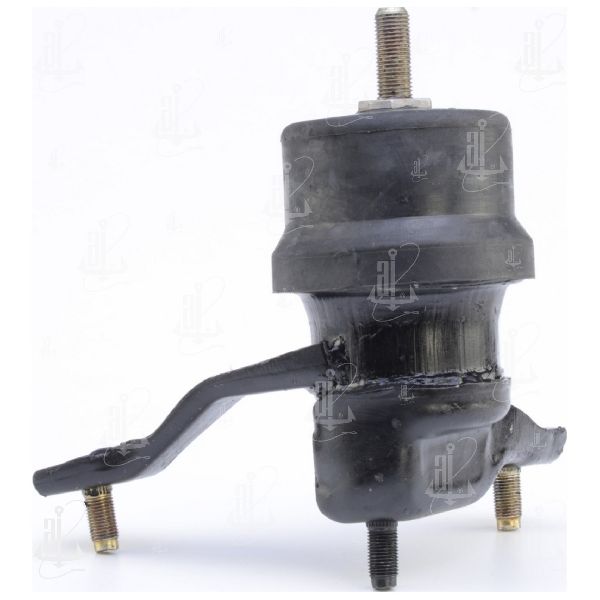
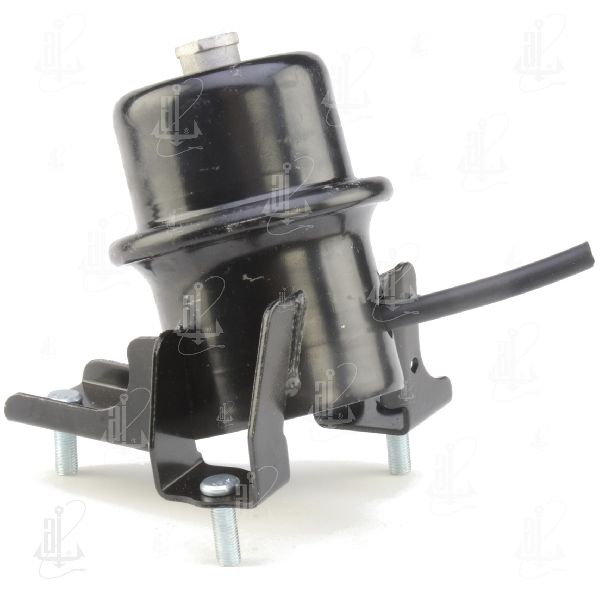
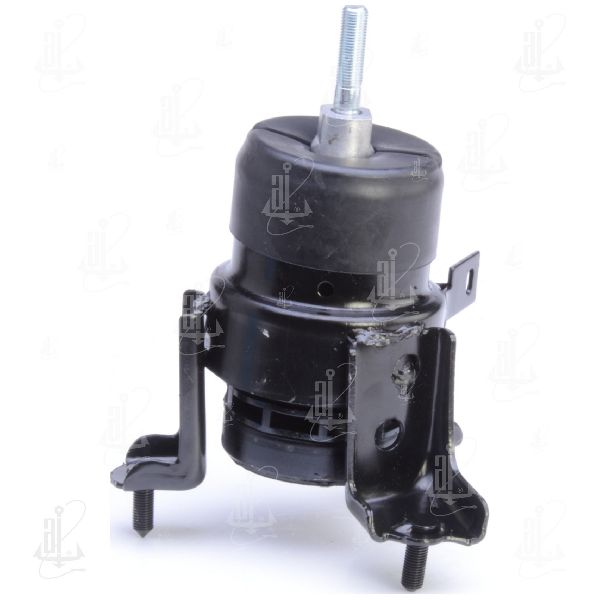
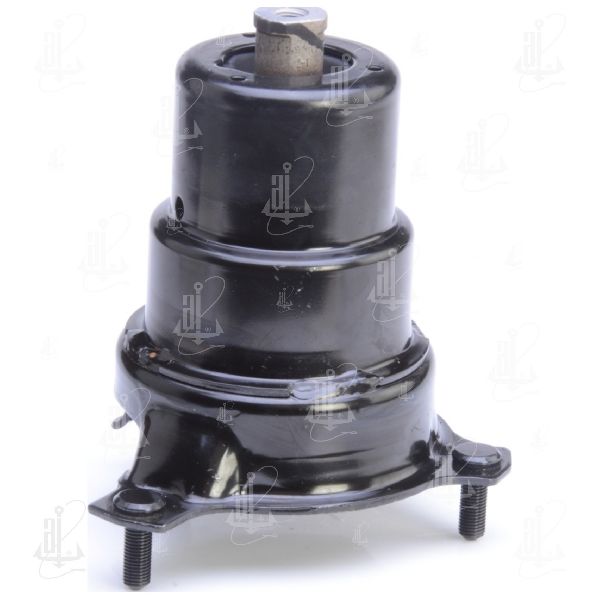
For many auto parts, aftermarket options provide great value. However, for Toyota Camry engine mounts, the consensus among experienced mechanics and owners is strong: Original Equipment (OEM) mounts are significantly better. Aftermarket mounts, especially budget-friendly brands like Anchor, DEA, and Westar, are frequently reported to cause persistent vibration issues—sometimes worse than the old, failed mount. Many aftermarket options are just solid rubber and lack the specific firmness or hydraulic fluid-filled design of the Toyota originals, which is crucial for damping vibrations effectively. Users in forums often report that cheaper mounts fail in as little as a few months to a year, requiring the job to be done all over again.
Aftermarket Brand Quality
While OEM is highly recommended, if you must use aftermarket parts due to budget constraints, understand the trade-offs. The available brands like Anchor, DEA, and Westar are generally considered economy-tier options. Forum discussions frequently contain negative reviews for these brands when used on Camrys, citing poor fit, increased vibration, and short service life. If you choose an aftermarket mount and experience new or persistent vibrations, the mount itself is the most likely cause.
| Part / Service | Estimated Cost Range |
|---|---|
| New Aftermarket Mount (Single) | $67 - $137 |
| New OEM Mount (Single) | $140 - $320+ |
| Shop Labor (All Mounts) | $400 - $1200+ |
| Total Job (Aftermarket Parts) | $650 - $1600 |
| Total Job (OEM Parts) | $950 - $2200+ |
Frequently Asked Questions

How many engine mounts does a 2008-2018 Toyota Camry have?
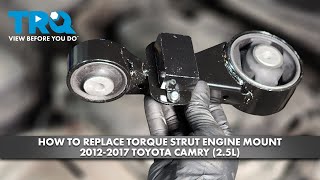
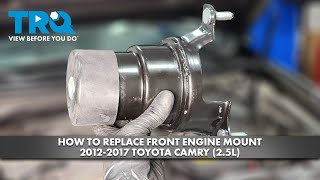
Most Toyota Camrys in this year range have three or four mounts that secure the engine and transmission. This includes a mount on the passenger side, a transmission mount on the driver's side, and one or two torque struts (often called "dog bone" mounts) 🎬 See this walkthrough for replacing the engine torque strut mount to prevent the engine from rocking.
Can I replace just the one broken mount?
It is highly recommended to replace all engine mounts at the same time. When one mount fails, it puts extra stress on the others, causing them to wear out and fail much faster. Replacing only one can lead to premature failure of the new part.
Why are OEM Toyota mounts so much more expensive?
OEM mounts are engineered specifically for the Camry's engine, using specific rubber compounds and often complex hydraulic or vacuum-assisted designs to absorb vibration. The research, development, and higher-quality materials contribute to the higher cost but result in a smoother ride and much longer lifespan.
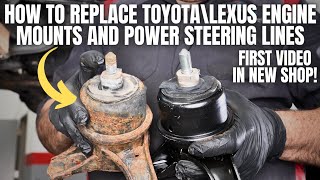
🎬 Watch: How to replace a hydraulic engine mountI just replaced my mounts with aftermarket ones and the vibration is worse. Why?
This is a very common issue. Budget aftermarket mounts are often made from a harder rubber compound and may be solid instead of fluid-filled. This makes them unable to absorb engine vibrations properly, transmitting them into the car's frame and making the ride feel rougher than before the repair.
Helpful Videos
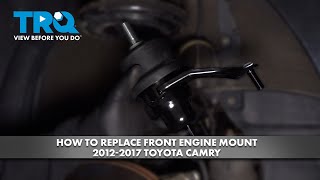
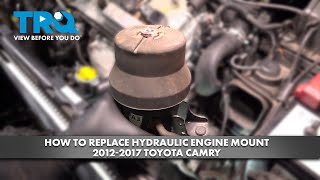
Technical Specifications
OEM Part Numbers: 12360-0P070 12360-31050 12360-0P130 12360-0P030
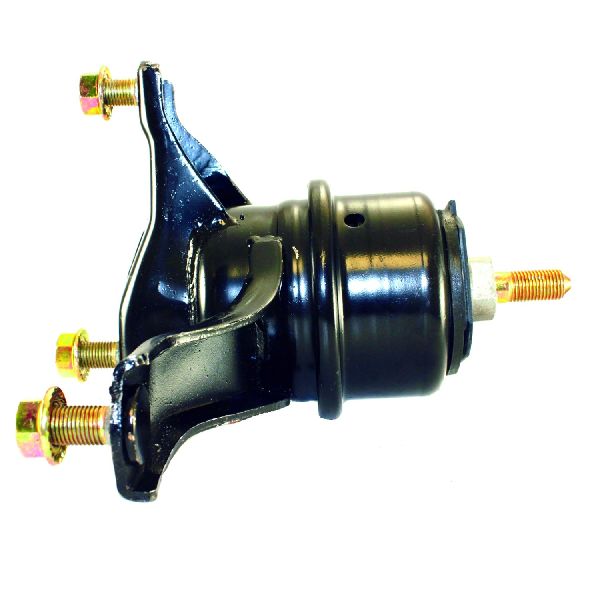
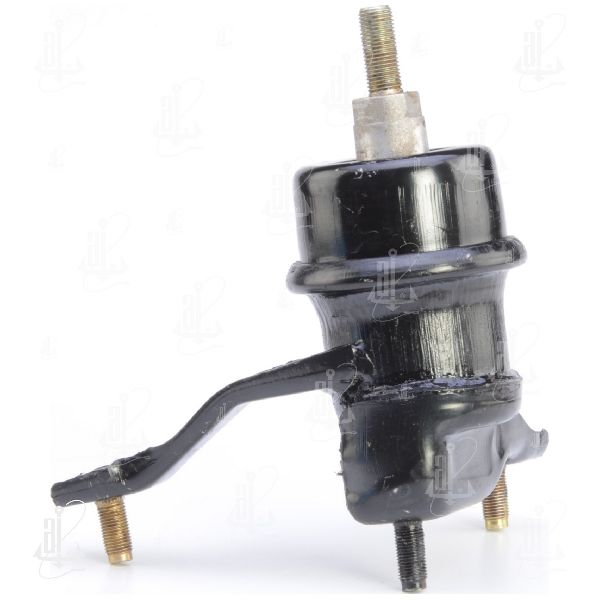
The 2008-2018 Toyota Camry uses a set of 3 to 4 engine and transmission mounts. Key mounts, particularly the main passenger-side mount, are often hydraulic (fluid-filled) to provide superior vibration damping compared to solid rubber mounts.
We Have This Part in Stock

The information in this article is provided for general reference and educational purposes only. Vehicle specifications, procedures, and part compatibility can vary by production date, trim level, and region. Always consult your vehicle's factory service manual and verify part numbers before purchasing or performing repairs. Safety-critical components such as airbags, seat belts, and braking systems should be installed by a qualified professional.
- Toyota Camry: