

Audi S5 (2008-2019) Fuel Pressure Sensor: A Complete Replacement Guide
Diagnosing stalling, hesitation, or power loss in your S5? Your fuel pressure sensor could be the problem.
- Your S5 has two fuel pressure sensors (low-pressure G410 and high-pressure G247); proper diagnosis is essential to replace the correct one.
- A known TSB indicates the low-pressure G410 sensor is a common failure point, with an updated part available.
- Symptoms include stalling, power loss, and a Check Engine Light with codes like P0087 or P310B.
- Replacing the high-pressure G247 sensor is a complex job requiring removal of the intake or supercharger, while the G410 is much easier.
Understanding Fuel Pressure in Your S5

The Audi S5 (B8, B8.5, and B9 generations) uses a sophisticated fuel system with two pressure stages, which means it has two fuel pressure sensors. It is critical to identify which one has failed before buying a replacement part.
- Low-Pressure Sensor (G410): This sensor measures pressure from the in-tank fuel pump. It's generally easier to access and replace. A failure here starves the high-pressure system.
- High-Pressure Sensor (G247): This sensor measures pressure at the fuel rail, after the High-Pressure Fuel Pump (HPFP). It is much harder to access, often located under the intake manifold or supercharger.
Symptoms of a Failing Fuel Pressure Sensor

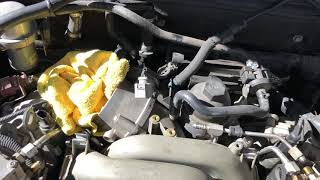
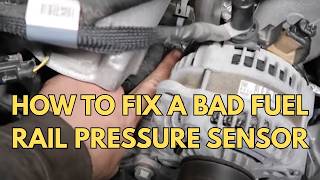
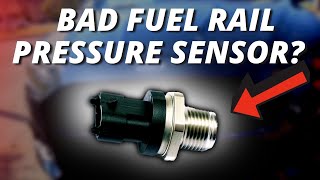
A bad fuel pressure sensor, whether high or low, will cause similar drivability problems. The check engine light is almost always 🎬 Watch: A breakdown of common bad fuel rail sensor symptoms. the first sign. You may also experience:
- Engine Stalling: The engine may stall unexpectedly, especially when it's warm or at idle.
- Loss of Power: The car may feel sluggish and hesitate during acceleration.
- Hard Starting: The engine may take longer than usual to start.
- Rough Idle: The engine may run unevenly when stopped.
- Fuel Odor: While often related to other issues like a recalled fuel rail, a strong fuel smell should be investigated immediately for safety.
Diagnostic Trouble Codes (DTCs) are the best way to narrow down the issue. Codes like P0087 (Fuel Rail/System Pressure - Too Low) are common but can be caused by either sensor, the fuel pumps, or a leak, making professional diagnosis important. 🎬 See this guide on diagnosing and fixing the P0087 code. Specific TSBs for the low-pressure G410 sensor link it to codes P310B, P008A, and P008B.
Known Issues: TSB for Low-Pressure Sensor (G410)
Audi has issued Technical Service Bulletins (TSBs) noting that the low-pressure G410 sensor can fail due to fuel seeping inside it, which causes incorrect readings. An updated part (OEM P/N 06E 906 051 K) was released to address this. If you have DTCs related to the low-pressure fuel system, the G410 sensor is a likely culprit.
Choosing the Right Aftermarket Fuel Pressure Sensor

When replacing a critical sensor on a German vehicle, quality matters. While aftermarket parts offer significant savings, not all brands are created equal. Here’s a breakdown of available options:
- OEM-Supplier Brands (e.g., Bosch, VDO): Brands like Bosch are often the original manufacturer for Audi. If available, they offer the highest likelihood of original performance and longevity without the dealer price tag. VDO is another well-regarded OEM supplier.
- Premium Aftermarket (e.g., Standard Ignition): Standard Motor Products (brand name Standard Ignition) is a reputable aftermarket manufacturer with a long history. Their parts are generally considered reliable alternatives to OEM.
- Value-Oriented Brands (e.g., Vemo, URO Parts): These brands provide a budget-friendly option. URO Parts has a reputation for being hit-or-miss on electronic components. They can be a viable choice for a budget repair, but may not offer the same long-term reliability as premium brands.
- Store Brands (e.g., Dorman, Replacement): Dorman offers a wide range of parts and is known for sometimes providing clever redesigns, but quality can be inconsistent. Generic "Replacement" branded parts are typically the most affordable but carry the highest risk in terms of fit and lifespan.
Pro Tip: For electronic sensors on an S5, spending a little more on an OEM-supplier or premium aftermarket brand is often a wise investment to avoid future headaches and ensure proper engine performance.
Estimated Replacement Costs

The cost to replace a fuel pressure sensor varies dramatically depending on whether it's the high- or low-pressure sensor.
| Part | Part Cost | Estimated Labor Cost | Total Estimated Cost |
|---|---|---|---|
| Low-Pressure Sensor (G410) | $45 - $95 | $75 - $150 | $120 - $245 |
| High-Pressure Sensor (G247) | $50 - $100 | $400 - $700+ | $450 - $800+ |
*Cost estimates are for guidance only and will vary by location and repair shop. The high-pressure sensor labor is significantly higher due to the need to remove the intake manifold or supercharger.
Frequently Asked Questions (FAQ)
Where are the fuel pressure sensors located on the Audi S5?
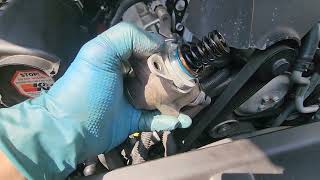
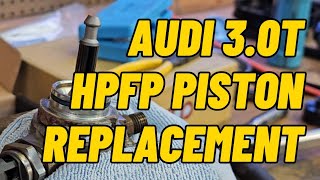
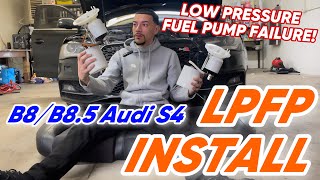
The low-pressure sensor (G410) is typically found on a fuel line in the engine bay, making it relatively easy to access. The high-pressure sensor (G247) is located directly on the fuel rail, which is under the intake manifold on the 4.2L V8 or under the supercharger 🎬 Watch: High-pressure sensor replacement walkthrough for the 4.2L V8 engine. on the 3.0T V6.
Can I replace the fuel pressure sensor myself?
Replacing the low-pressure (G410) sensor is feasible for a DIYer with basic tools. It requires relieving fuel system pressure first. Replacing the high-pressure (G247) sensor is a difficult job for experts only, as it requires removing the intake manifold or supercharger, which takes several hours and specialized knowledge.
How do I know if the high-pressure or low-pressure sensor is bad?
While symptoms are similar, specific diagnostic trouble codes (DTCs) can point to the correct sensor. A TSB specifically links the G410 sensor to codes like P310B, P008A, and P008B. A professional mechanic can use a mechanical gauge to test pressure at both stages of the system to confirm which sensor is providing incorrect data.
Is there a recall for the Audi S5 fuel pressure sensor?
No, there are no specific recalls for the fuel pressure sensors. However, there have been recalls for related fuel system components like fuel rails and fuel pumps on certain model years that can cause fuel leaks. It's wise to check for any open recalls on your vehicle.
Helpful Videos

Technical Specifications
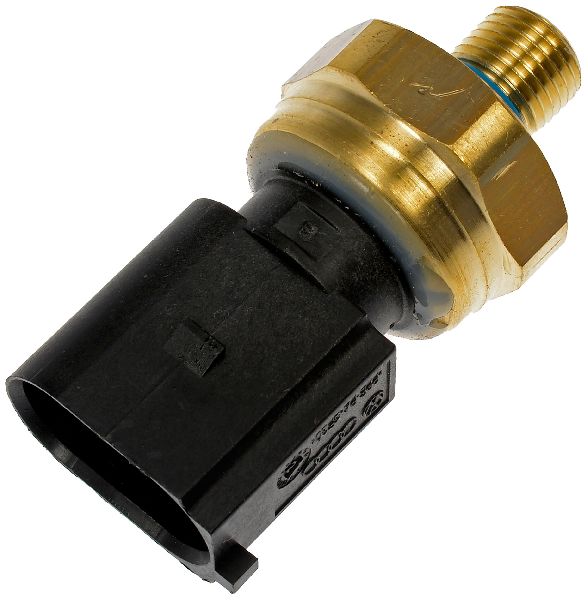
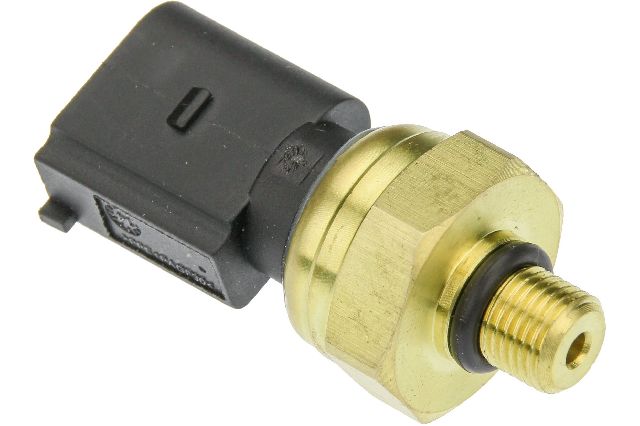
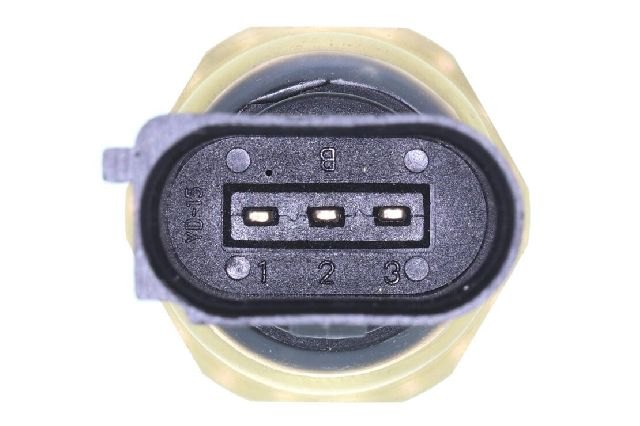
OEM Part Numbers: 06E906051K 06J906051D 06H906051A 06E906051E
This guide covers two distinct sensors: the low-pressure sensor (G410) and the high-pressure sensor (G247). Verify the correct part for your specific engine (4.2L V8, 3.0T V6) and which sensor has failed before ordering.
We Have This Part in Stock


The information in this article is provided for general reference and educational purposes only. Vehicle specifications, procedures, and part compatibility can vary by production date, trim level, and region. Always consult your vehicle's factory service manual and verify part numbers before purchasing or performing repairs. Safety-critical components such as airbags, seat belts, and braking systems should be installed by a qualified professional.
- Audi S5: