

A Guide to Replacing Disc Brake Pads on Your 2008-2019 Jaguar XJ
Stop the noise and dust by choosing the right brake pads for your Jaguar XJ.
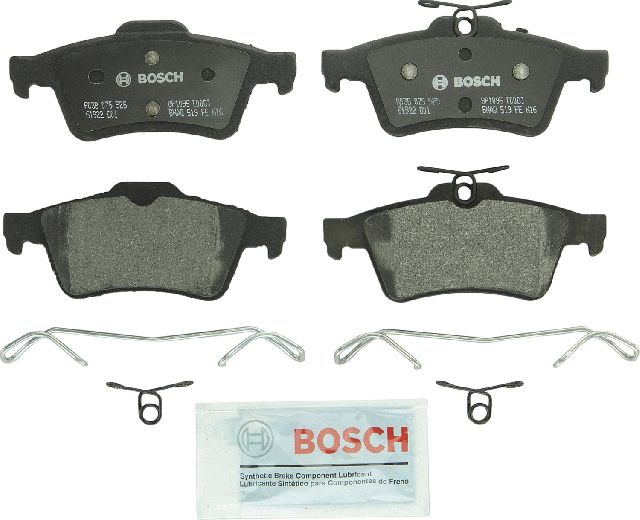
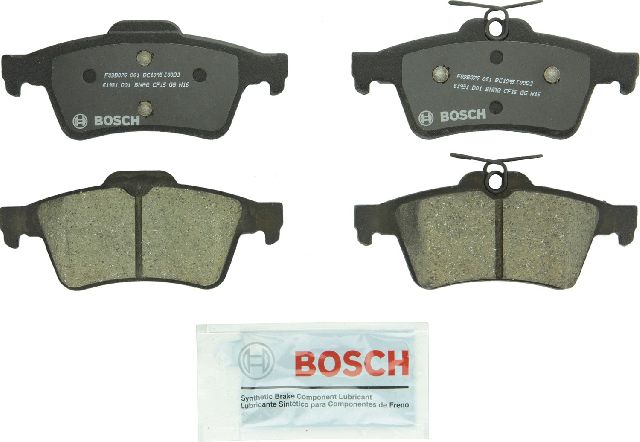
- OEM pads have strong performance but create heavy brake dust; aftermarket ceramic pads from brands like Akebono or EBC Redstuff are a popular low-dust upgrade.
- You MUST replace the brake pad wear sensor if the dashboard warning light is on; it is a single-use part and the light will not reset without a new one.
- Verify your car's specific brake size (standard or supercharged/performance) before ordering parts, as they are not interchangeable.
- Brake squeal is a known issue; using quality pads and ensuring proper lubrication of contact points during installation can help prevent it.
Is It Time for New Brake Pads?
Your Jaguar XJ will give you clear signs when its brake pads are wearing thin. Ignoring these signs can lead to more expensive repairs, like damage to the brake rotors. Be aware of these common symptoms.
Symptoms of Worn Brake Pads:
- Brake Warning Light: Your XJ has a "Brake Pads Worn" message that appears on the dashboard. This is the most direct indicator, triggered by a sensor when the pads reach their minimum thickness.
- Squealing or Screeching Noises: A high-pitched squeal when you apply the brakes is a common sign that the pad material is low.
- Grinding Sounds: A loud grinding or scraping noise means the pads are completely worn out, and metal is grinding against metal. This is a critical situation that requires immediate attention to prevent rotor damage.
- Vibrations: If you feel a pulsation or vibration in the brake pedal or steering wheel when braking, it could point to worn pads or warped rotors.
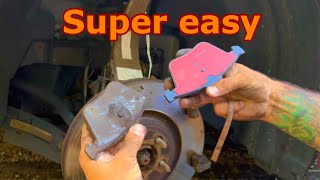
- Pulling to One Side: If the car pulls to the left or right during braking, it may indicate uneven pad wear or a problem with a brake caliper. 🎬 Watch this guide on replacing rear brake pads for XJL owners.
A Note on Brake Squeal in the Jaguar XJ
Some XJ models, particularly earlier ones or those with high-performance brakes, can be prone to brake squeal even with sufficient pad life. Jaguar has issued Technical Service Bulletins (TSBs) for this issue, which often involves pad resonance. The fix can sometimes be as simple as applying special grease to the caliper contact points during a brake job.
Choosing the Right Aftermarket Brake Pads
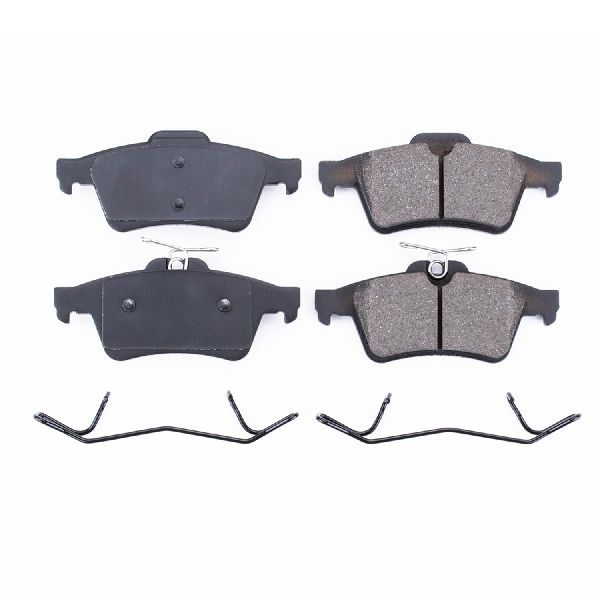
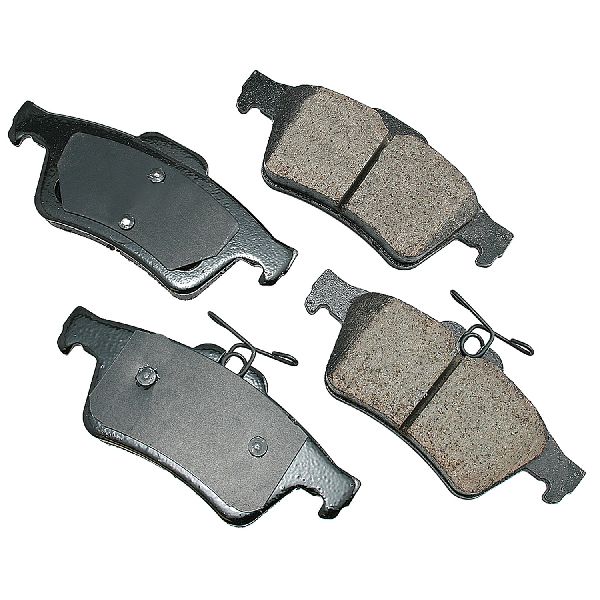
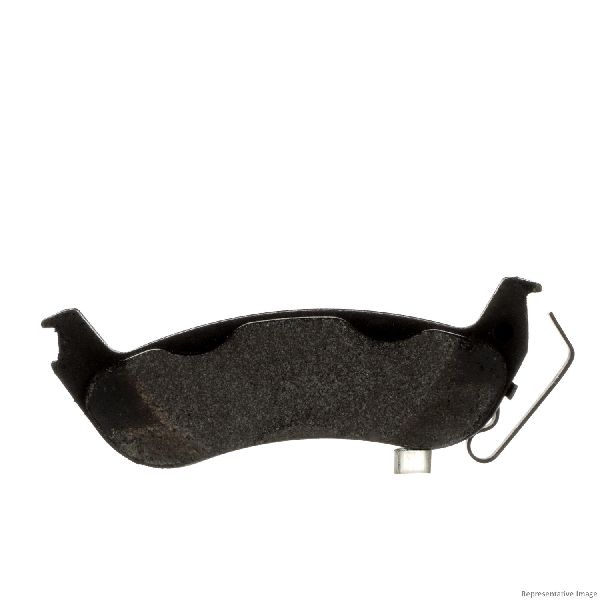
The original Jaguar (OEM) brake pads are typically semi-metallic and offer excellent stopping power. However, many owners complain that they produce a large amount of dark brake dust that quickly makes wheels look dirty. Aftermarket pads offer a great opportunity to either maintain OEM performance or trade a little performance for significantly less dust and noise.
Brand Tiers for Your Jaguar XJ
- Economy Brands (Daily Driver Focus): Brands like Dynamic Friction, Centric, and Raybestos offer reliable, affordable ceramic and semi-metallic pads that meet or exceed factory specifications for normal street driving. They are a good choice for the budget-conscious owner who isn't focused on high-performance driving.
- OEM-Quality Brands (Low-Dust Focus): If your main goal is reducing brake dust, ceramic pads are the answer. Akebono and EBC Redstuff are highly recommended by XJ owners for their low-dust properties and quiet operation. Other brands known to be OEM suppliers for Jaguar, like Textar, Pagid, and Jurid, also offer excellent aftermarket options that provide a factory feel, sometimes with less dust than the original pads.
- Performance Brands (Spirited Driving): For owners who drive their XJ more aggressively or want the absolute best stopping power, performance pads are the way to go. EBC Yellowstuff pads offer a higher friction level and resist brake fade at high temperatures, making them suitable for fast street use. Hawk Performance pads are another popular choice for a significant bite and performance feel. Be aware that these high-performance pads often create more dust and may be noisier than ceramic options.
Common Ordering Mistake: Know Your Brake Size!
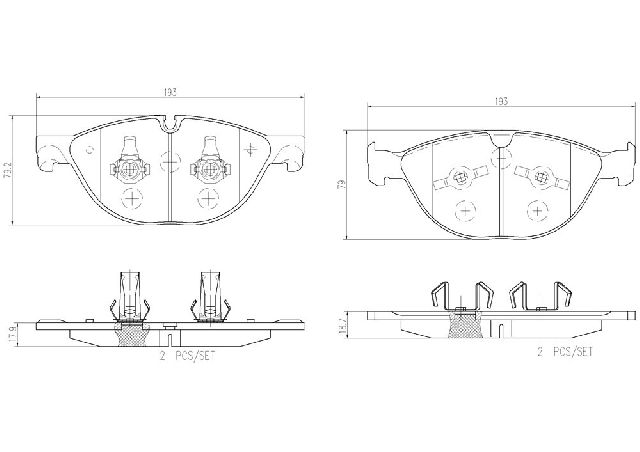
The 2008-2019 Jaguar XJ was available with different brake systems. Supercharged and XJR models often have larger front brakes (e.g., 380mm rotors) than the standard models (e.g., 355mm rotors). The brake pads are not interchangeable. Before ordering, it is critical to verify which brake package your specific vehicle has.
Understanding Replacement Costs
The cost to replace your brake pads can vary widely based on the parts you choose and who performs the labor. You can save a lot by using quality aftermarket parts and an independent mechanic instead of going to a dealership.
| Part/Service | Estimated Cost Range |
|---|---|
| New Aftermarket Brake Pad Set (per axle) | $27 - $263 |
| New OEM Brake Pad Set (per axle) | $150 - $431 |
| Brake Pad Wear Sensor (1 front, 1 rear) | $30 - $90 each |
| Shop Labor (per axle) | $98 - $150 |
Frequently Asked Questions
Do I have to replace the brake pad wear sensors?
Yes, if the 'Brake Pads Worn' light is on, you must replace the sensor. The Jaguar XJ has one sensor on the front left wheel and one on the rear right wheel. They are a one-time-use part designed to wear down with the pad. The warning light will not turn off until a new sensor is installed to complete the circuit. It's a common mistake to reuse the old sensor, which will keep the warning light illuminated.
🎬 See how to replace the brake pads and wear sensors properly.Can I put new brake pads on my old rotors?
Yes, you can install new pads on old rotors, provided the rotors are in good condition. They should be measured to ensure they are above the minimum thickness and are not warped or heavily grooved. However, for the best performance and to ensure a long life for your new pads, most mechanics recommend either replacing the rotors or having them resurfaced at the same time.
🎬 Watch: Full brake pad and rotor replacement walkthrough for XJ models.What's the difference between ceramic and semi-metallic pads?
Semi-metallic pads, like the original Jaguar pads, use metal fibers. They offer excellent performance and heat dissipation but tend to be dusty and can be noisy. Ceramic pads use ceramic compounds and copper fibers. They are much cleaner (less dust), quieter, and provide a smooth braking feel, which is why many XJ owners prefer them for daily driving. High-performance ceramic pads like EBC Redstuff offer a good balance of low dust and strong stopping power.
Are there any recalls for the 2008-2019 Jaguar XJ brakes?
There have been brake-related recalls, but not specifically for the pads themselves. A recall was issued for 2014-2015 models concerning potentially leaky brake line junctions. Another recall for older 2004 models involved brake pipe corrosion. It is always a good practice to check for any open recalls on your vehicle using its VIN.
Helpful Videos


Technical Specifications
The 2008-2019 Jaguar XJ uses a four-wheel disc brake system with single-use electronic wear sensors on the front-left and rear-right wheels. Brake systems vary between standard and high-performance (Supercharged/XJR) models, with different caliper and rotor sizes. Common front rotor sizes are 355mm and 380mm. The rear brakes incorporate an electronic parking brake (EPB) mechanism.
We Have This Part in Stock

The information in this article is provided for general reference and educational purposes only. Vehicle specifications, procedures, and part compatibility can vary by production date, trim level, and region. Always consult your vehicle's factory service manual and verify part numbers before purchasing or performing repairs. Safety-critical components such as airbags, seat belts, and braking systems should be installed by a qualified professional.
- Jaguar XJ:
- 🎬 Helpful Videos
- 🛍️ Shop This Part
- Is It Time for New Brake Pads?
- Symptoms of Worn Brake Pads:
- A Note on Brake Squeal in the Jaguar XJ
- Choosing the Right Aftermarket Brake Pads
- Brand Tiers for Your Jaguar XJ
- Common Ordering Mistake: Know Your Brake Size!
- Understanding Replacement Costs
- Frequently Asked Questions
- 🎟️ Get 5% Off