

Jeep Wrangler Ignition Coil Guide: 2008-2024 Models
Everything a Jeep Wrangler owner needs to know before replacing a failing ignition coil.
- Identify your engine first: 2008-2011 3.8L V6 models use a single coil pack, while 2012+ 3.6L V6 and 2.0L I4 models use individual Coil-on-Plug (COP) units.
- Many owners strongly recommend OEM Mopar coils for reliability; if choosing aftermarket, stick to premium brands like Bosch, Delphi, or NGK.
- Replacing coils on the driver's side of the 3.6L Pentastar V6 requires removing the upper intake manifold, adding time and complexity to the job.
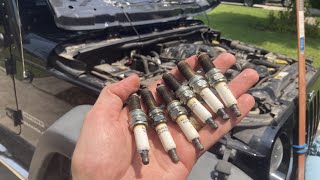
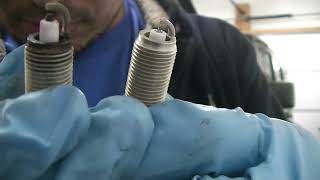
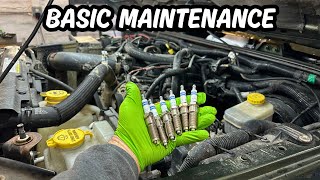
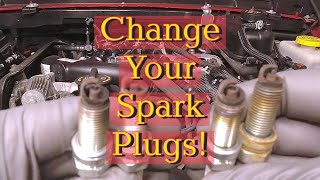
- Always replace spark plugs at the same time as your ignition coils to ensure a complete and lasting repair.
Understanding Your Wrangler's Ignition System: A Tale of Two Designs

Before buying a new ignition coil for your 2008-2024 Jeep Wrangler, you must know which engine you have. The ignition system changed significantly between generations.
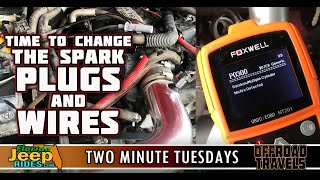
- 2008-2011 Wrangler JK (3.8L V6): These models use a single ignition coil pack. This pack sends high voltage to each of the six spark plugs through individual spark plug wires. When this single pack fails, it can affect multiple cylinders. Replacement involves swapping one module and a set of spark plug wires. 🎬 Watch this step-by-step 3.8L coil and wire replacement guide.
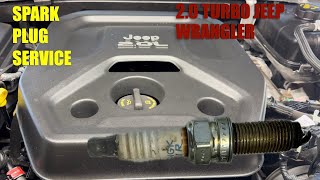
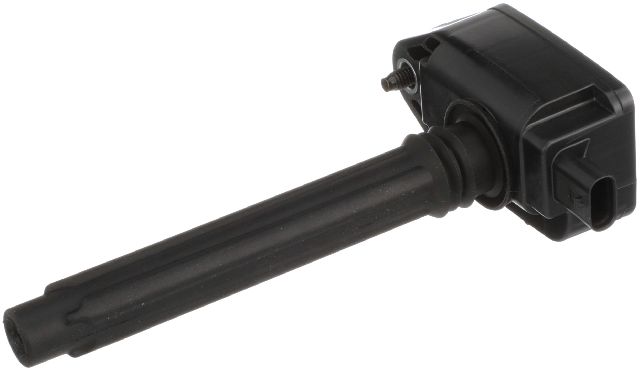
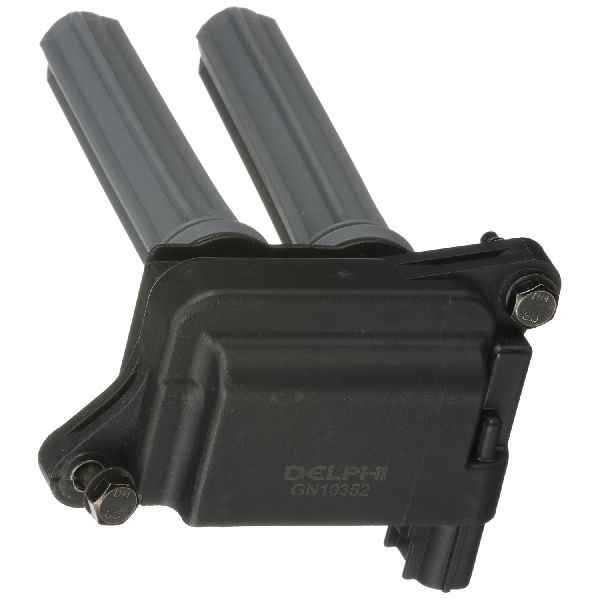
- 2012-2024 Wrangler JK/JL (3.6L V6 & 2.0L Turbo): These newer Wranglers use a Coil-on-Plug (COP) system. Each spark plug has its own dedicated ignition coil sitting directly on top of it. This design eliminates the need for spark plug wires and provides a more efficient spark. When a coil fails, it typically only affects one cylinder, and you only need to replace that specific coil.
Common Symptoms of a Failing Ignition Coil

A bad ignition coil will make itself known through poor engine performance. Here are the most common signs:
- Check Engine Light: This is often the first indicator. A failing coil will trigger a cylinder misfire code, such as P0300 (random misfire) or P0301-P0306 (indicating a specific cylinder).
- Engine Misfires: Your Wrangler's engine may sputter, shake, or hesitate, especially under acceleration or while idling. This feels like a rhythmic stutter or loss of power.
- Rough Idle: When stopped, the engine may shake or vibrate more than usual. In some cases, the RPMs may fluctuate erratically.
- Reduced Power and Acceleration: Your Jeep will feel sluggish and slow to respond when you press the gas pedal.
- Worse Fuel Economy: When a cylinder isn't firing correctly, your engine wastes fuel, and you'll notice a drop in your average MPG.
- Hard Starting: The engine may crank longer than usual before it starts, or it may fail to start at all.
A Note on Engine Damage
While you can drive with a bad coil for a short time, it's not recommended. A continuous misfire allows unburned fuel to enter the exhaust system, which can overheat and destroy your expensive catalytic converter. This can turn a relatively minor repair into a very costly one.
Choosing the Right Aftermarket Ignition Coil

When it comes to electronic parts for a Jeep, quality matters. Forum discussions among long-time Wrangler owners show a strong preference for using OEM Mopar parts, as Jeeps can be "picky" about sensors and coils. However, high-quality aftermarket parts can be a reliable, cost-effective alternative if you choose wisely.
Brand Quality Tiers
- Tier 1 (OEM & Premium Aftermarket): Mopar is the original factory part and the safest bet for guaranteed compatibility and performance. Brands like Bosch, Delphi, and NGK are often the original equipment manufacturers for many car brands and offer equivalent quality. These are highly recommended choices.
- Tier 2 (Reputable Aftermarket): Brands like Standard Ignition (especially their Blue Streak line), Hitachi, and Mishimoto have a reputation for producing quality components that meet or exceed OEM standards. Jeep-specific brands like Crown Automotive and Omix-Ada also provide reliable, direct-fit parts.
- Tier 3 (Economy): This category includes lesser-known or private-label brands. While the price is attractive, their long-term reliability can be inconsistent. Using these parts can sometimes lead to unresolved misfire issues or premature failure, costing you more time and money in the long run.
Pro Tip: Replace Spark Plugs at the Same Time
Worn-out spark plugs can put extra strain on an ignition coil, causing it to fail prematurely. If you're replacing your coils, it's the perfect time to also install a new set of spark plugs. This ensures the entire ignition system is refreshed for optimal performance and longevity.
Ignition Coil Replacement Cost for Jeep Wrangler (2008-2024)

The cost depends heavily on your engine type and whether you do the work yourself. The 3.6L V6 requires removing the upper intake manifold to access the three coils 🎬 See how to access and replace coils on the 3.6L engine. on the driver's side, which increases labor time.
| Part/Service | Estimated Cost |
|---|---|
| New OEM Mopar Coil (1) | $80 - $125 |
| New Aftermarket Coil (1) | $29 - $75 |
| Shop Labor (Single, accessible coil) | $70 - $120 |
| Shop Labor (All 6 coils, 3.6L V6) | $200 - $400+ |
Frequently Asked Questions
Do I need to replace all ignition coils at once?
For the 2012+ Coil-on-Plug systems, you don't have to replace all of them. However, coils are wear items, and if one has failed, others may soon follow. If your Jeep has over 80,000 miles, it's good preventative maintenance to replace them all, especially since accessing the driver's side on the 3.6L V6 is labor-intensive. For the 2008-2011 3.8L, there is only one coil pack to replace.
How do I find out which cylinder has the bad coil?
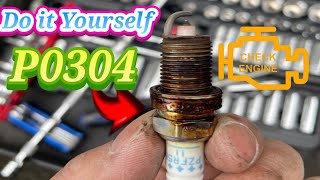
The easiest way is to use an OBD2 scanner. A code like 'P0304' indicates a misfire on cylinder #4. 🎬 Learn more about diagnosing and fixing a P0304 misfire code. If you don't have a scanner, you can perform a swap test: move the suspected bad coil to a different cylinder, clear the codes, and see if the misfire code 'follows' the coil to the new cylinder. If it does, you've found the faulty part.
Is replacing a Jeep Wrangler ignition coil a DIY job?
Yes, it is very DIY-friendly for many owners. On the 3.8L V6, the coil pack is accessible. On the 3.6L V6 and 2.0L I4, the passenger-side coils are extremely easy to access. However, replacing the driver-side coils on the 3.6L V6 requires removing the upper intake manifold, which is more involved but manageable for an experienced DIYer with basic tools.
What are the most common mistakes when ordering?
The biggest mistake is ordering the wrong part for your engine. A 2011 Wrangler (3.8L) uses a completely different coil pack system than a 2012 Wrangler (3.6L). Always verify your engine type before purchasing. Another mistake is buying the cheapest available coil, which can lead to performance issues.
Helpful Videos


Technical Specifications
OEM Part Numbers: 56032520AF 56032520AC 68223569AD 5149168AJ
Varies by engine. 2008-2011 3.8L V6 uses one external coil pack with a 4-pin connector and 6 spark plug wire towers. 2012+ 3.6L V6 and 2.0L I4 use individual flush-fitting pencil-style Coil-on-Plug units with 2-pin connectors.
We Have This Part in Stock


The information in this article is provided for general reference and educational purposes only. Vehicle specifications, procedures, and part compatibility can vary by production date, trim level, and region. Always consult your vehicle's factory service manual and verify part numbers before purchasing or performing repairs. Safety-critical components such as airbags, seat belts, and braking systems should be installed by a qualified professional.
- Jeep Wrangler:
- 🎬 Helpful Videos
- 🛍️ Shop This Part
- Understanding Your Wrangler's Ignition System: A Tale of Two Designs
- Common Symptoms of a Failing Ignition Coil
- A Note on Engine Damage
- Choosing the Right Aftermarket Ignition Coil
- Brand Quality Tiers
- Pro Tip: Replace Spark Plugs at the Same Time
- Ignition Coil Replacement Cost for Jeep Wrangler (2008-2024)
- Frequently Asked Questions
- 🎟️ Get 5% Off