

A Comprehensive Guide to the 2009-2013 Suzuki Grand Vitara Camshaft Position Sensor
Experiencing stalling or a check engine light? Your Grand Vitara's camshaft position sensor could be the culprit.
- A lit Check Engine Light with code P0340 or P0341 is a strong indicator of a failing camshaft position sensor.
- Symptoms can range from poor gas mileage to dangerous engine stalling.
- For a reliable repair, choose a quality aftermarket brand like Delphi or Standard Ignition.
- Replacement is simple on the 4-cylinder engine but significantly more difficult on the 3.2L V6.
Is Your Grand Vitara's Camshaft Position Sensor Failing?
The camshaft position sensor is a small but vital electronic part. When it starts to fail, it can cause noticeable problems with how your engine runs. Because it provides key data for fuel and spark timing, a bad sensor can leave you stranded. Heat and oil leaks are common causes of failure for this sensor.
Key Symptoms of a Bad Sensor
Look out for these common warning signs:
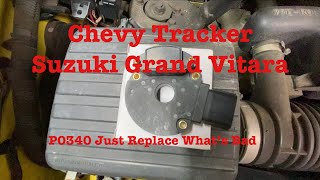
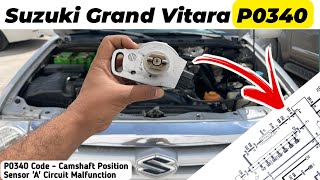
- Check Engine Light: This is often the first and most obvious sign. The computer will store a trouble code, most commonly P0340 or P0341. 🎬 Watch: How to fix a P0340 circuit malfunction code.
- Engine Stalling: The engine may shut off while you are stopped at a light or, more dangerously, while you are driving.
- Trouble Starting: You might find the engine cranks but refuses to start, or takes longer than usual to fire up.
- Rough Performance: A failing sensor can cause the engine to run rough, misfire, hesitate during acceleration, or feel like it's lacking power.
- Worse Gas Mileage: When the computer can't time the fuel injection correctly, it may use more fuel than needed, hurting your fuel economy.
V6 Engine Owners: Take Note
While replacing the sensor on the 2.4L 4-cylinder engine is straightforward, the 3.2L V6 is more challenging. On the V6, the sensor is located on the back of the passenger-side cylinder head and can be very difficult to access. The job may require removing the entire sensor housing assembly to replace the sensor on a workbench. This increases the difficulty and time required for the repair.
Choosing the Right Aftermarket Sensor
You do not need to buy an expensive OEM sensor from a dealer. Many aftermarket brands offer excellent quality that meets or exceeds original specifications, often for a fraction of the price. However, not all aftermarket parts are created equal. For a critical sensor like this, it's best to stick with reputable brands.
| Brand Tier | Brands | General Assessment |
|---|---|---|
| Best (OE Quality) | Bosch, Delphi, Standard Ignition (SMP) | These brands are often original equipment suppliers to major automakers. They are known for high-quality materials, rigorous testing, and reliable performance that matches the original part. |
| Better (Reputable Aftermarket) | Beck Arnley, Walker Products | These are well-regarded aftermarket brands. Beck Arnley specializes in parts for foreign nameplates, focusing on matching the OE form, fit, and function. Walker is another established name in engine management components. |
| Good (Value-Oriented) | Holstein, Spectra, Global Parts, True Tech | These brands provide a cost-effective solution. While they may not have the same OE pedigree as the top-tier brands, they offer a functional replacement for budget-conscious repairs. |
Frequently Asked Questions (FAQ)
Can I replace the camshaft position sensor myself?
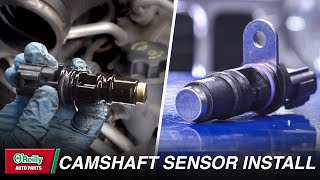
Yes, this is a DIY-friendly job for many owners, especially on the 2.4L 4-cylinder engine. The sensor is typically held by a single bolt and is easy to access. 🎬 See this walkthrough on how to replace the sensor. However, on the 3.2L V6 model, the location is much more difficult to reach, and you may want to consider professional installation.
Where is the camshaft position sensor located on my Grand Vitara?
The location depends on your engine. You will generally find it mounted on the cylinder head or the front timing cover. It will have an electrical connector attached. On the 2.5L V6 (in the similar Chevy Tracker), it is on the back of the passenger side cylinder head, which is a very tight space.
🎬 Watch: Locating the sensor on V6 Tracker and Vitara models.Are there any recalls for this part?
No, there are no specific recalls or technical service bulletins (TSBs) from the NHTSA for the engine camshaft position sensor on the 2009-2013 Suzuki Grand Vitara.
What happens if I don't replace a bad sensor?
Ignoring a failing camshaft position sensor can lead to more significant problems. Your vehicle may fail to start, stall in traffic, suffer from poor performance, and have high fuel consumption. While it may not cause immediate engine damage, the stalling risk can be a serious safety concern.
Pro Tip: Check the Wiring First
Before you replace the sensor, take a moment to inspect the wiring connector and harness. A loose connection, corroded pins, or damaged wires can cause the same symptoms as a failed sensor. Cleaning the connector or repairing a wire could be a simple, no-cost fix.
Helpful Videos

Technical Specifications
OEM Part Numbers: 33220-51K00 33220-63J10 G4T08471
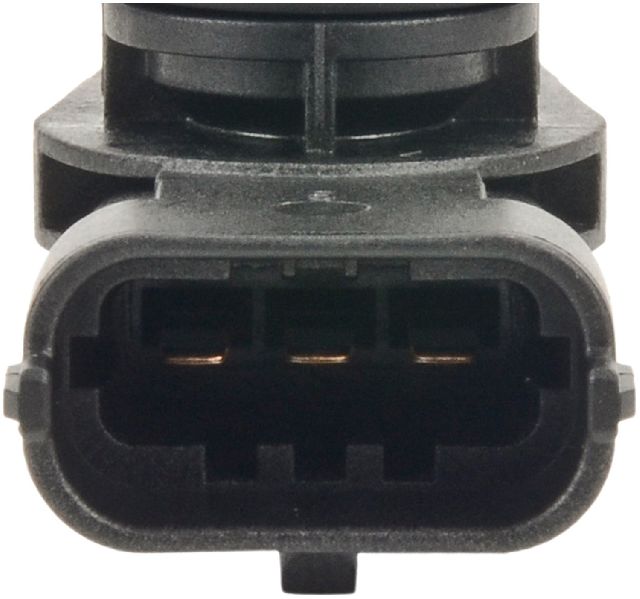
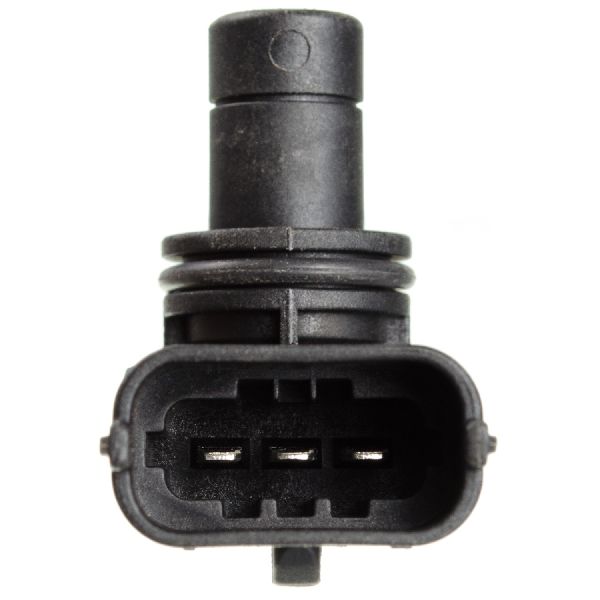
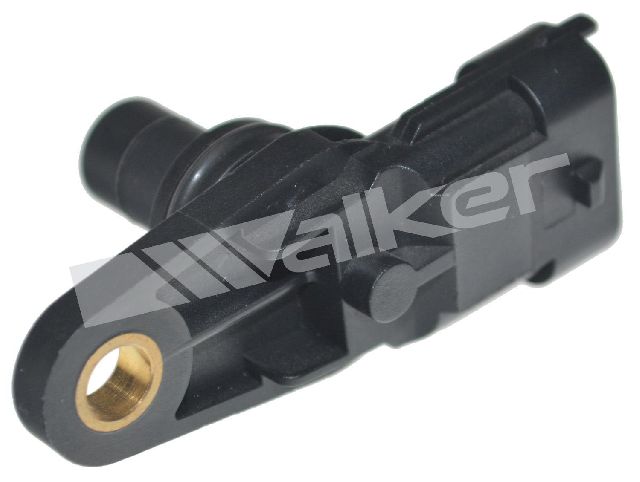
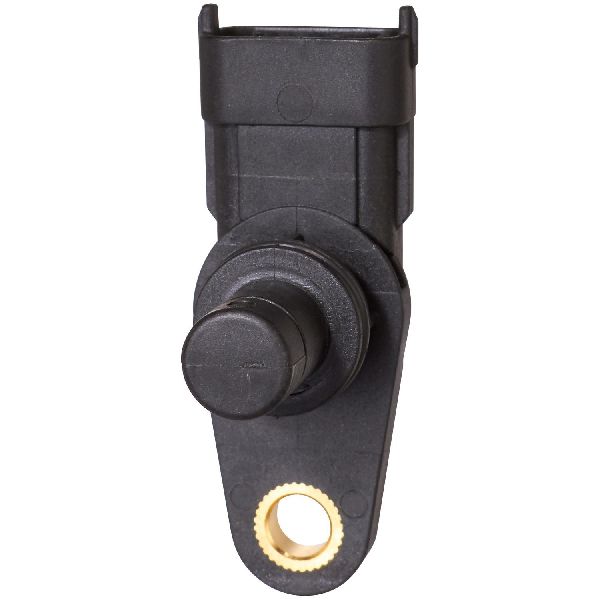
Typically a 3-pin hall-effect or magnetic sensor with an O-ring seal.
We Have This Part in Stock


The information in this article is provided for general reference and educational purposes only. Vehicle specifications, procedures, and part compatibility can vary by production date, trim level, and region. Always consult your vehicle's factory service manual and verify part numbers before purchasing or performing repairs. Safety-critical components such as airbags, seat belts, and braking systems should be installed by a qualified professional.
- Suzuki Grand Vitara: